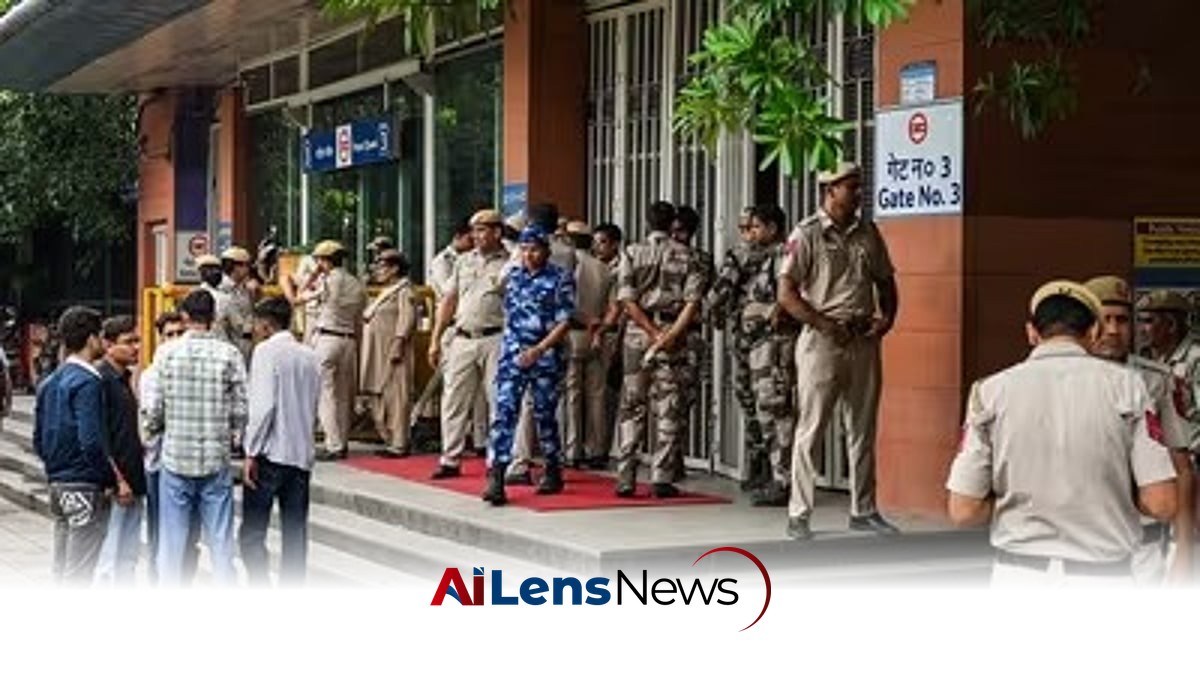


In response to ongoing protests by the Cockroach Janata Party, Delhi has tightened security and temporarily closed 17 metro stations, disrupting commuter traffic.
New Delhi, India Jul 23, 2026 ALN: Guwahati: Today, security was significantly tightened across New Delhi in view of the Cockroach Janata Party’s (CJP) ongoing protest at Jantar Mantar over the alleged NEET paper leak. However, 17 stations of the Delhi Metro were shut down temporarily as a precautionary measure, resulting in disruption in the traffic of thousands of commuters.
According to the Delhi Metro Rail Corporation (DMRC), access to the metro stations has been restricted at several important stations – Janpath, Rajiv Chowk, Patel Chowk, and Central Secretariat due to security concerns. The stations were reopened later in the day after the situation was brought under control. This kind of preventive action is not uncommon in the capital, especially in light of the ongoing tensions between protesters and law enforcement.
The enhanced security measures come after the massive marches to Parliament on 20th July when it was reported that riots erupted between protesters and police. In the confrontation, several student protesters were injured. Five Metro stations, including Rajiv Chowk, were also shut for a few hours that day. The clashes highlighted the volatility of the situation and the urgent need for authorities to manage public safety while also respecting the right to protest.
The CJP has been holding an indefinite sit-in at Jantar Mantar demanding the resignation of Union Education Minister Dharmendra Pradhan for the alleged NEET exam paper leak, along with three other key demands of the students for educational reforms and student welfare. The NEET, or National Eligibility cum Entrance Test, serves as a crucial gateway for aspiring medical students in India, and allegations of malpractice can lead to significant unrest among students who feel their futures are at stake.
Protests in India have a long history of being a platform for various social and political movements, and the current unrest surrounding the NEET exam reflects broader frustrations within the student community regarding the education system. The NEET exam is not just a test; it represents the aspirations of countless students and their families who invest significant time and resources into preparing for it. Any disruption or allegations of unfairness can lead to a collective outcry, as students perceive their futures to be at risk.
The CJP's demands extend beyond the immediate issue of the NEET paper leak. Students are also calling for reforms in the educational framework, including better access to resources, improved infrastructure in educational institutions, and measures to ensure transparency and fairness in examination processes. These issues resonate with many students across the country who have faced challenges in accessing quality education and opportunities. The demands reflect a growing awareness among students about their rights and the need for accountability from educational authorities.
In recent years, the Delhi Metro has become a vital mode of transportation for millions of commuters, and the temporary closure of key stations can have a cascading effect on daily life in the capital. The shutdown not only affects those traveling for work or education but also impacts local businesses that rely on foot traffic from commuters. The DMRC has often had to balance security measures with the need to maintain operational efficiency, especially during times of heightened tensions. The economic implications of such closures can be significant, particularly in a bustling metropolis like Delhi where many depend on the Metro for their daily commute.
Moreover, the protests are indicative of a growing trend among students and youth in India to mobilize around issues that directly affect their lives. Social media has played a crucial role in organizing these movements, allowing for rapid dissemination of information and coordination among protesters. The CJP's actions at Jantar Mantar, a site historically known for protests and demonstrations, signify a continuation of this trend. The ability to mobilize quickly and effectively through social media platforms has transformed how protests are organized, making it easier for students to come together and voice their concerns.
The government’s response to these protests will likely shape future interactions between students and policymakers. The handling of the current protests could set a precedent for how similar situations are managed in the future, especially if the demands of the students are not addressed adequately. As the situation develops, it remains to be seen whether the authorities will engage in dialogue with the protesters or continue to enforce security measures. The potential for escalation exists, particularly if students feel their voices are not being heard.
In the wake of previous protests, there have been calls for greater accountability and transparency from government officials, particularly in the education sector. The incident at Jantar Mantar has sparked discussions about the need for reforms not only in examination processes but also in the broader educational policies that govern student life in India. Stakeholders, including educational institutions, government bodies, and student organizations, may need to come together to address these pressing concerns. This could lead to a more collaborative approach to reforming the education system, which has faced criticism for being outdated and not meeting the needs of today’s students.
As the protests continue, the implications for the political landscape in India are significant. The CJP's actions may resonate with other political parties and movements, potentially leading to broader coalitions around educational reforms. The government’s handling of the situation could influence public perception and voter sentiment ahead of future elections, particularly among young voters who are increasingly vocal about their rights and expectations. The youth demographic is a powerful voting bloc, and their concerns about education and employment could shape electoral outcomes in the coming years.
In conclusion, the temporary closure of the 17 Delhi Metro stations amidst the ongoing protests highlights the intersection of education, politics, and public safety in contemporary India. As the CJP pushes for accountability and reform, the response from the government and educational authorities will be critical in shaping the future of student activism and the educational landscape in the country. The unfolding events serve as a reminder of the importance of dialogue and the need for policies that reflect the aspirations of the younger generation, ensuring that their voices are not only heard but also acted upon.
To learn more about the latest developments in Crime & Law, stay updated with our exclusive reports and analyses on AiLensNews.

