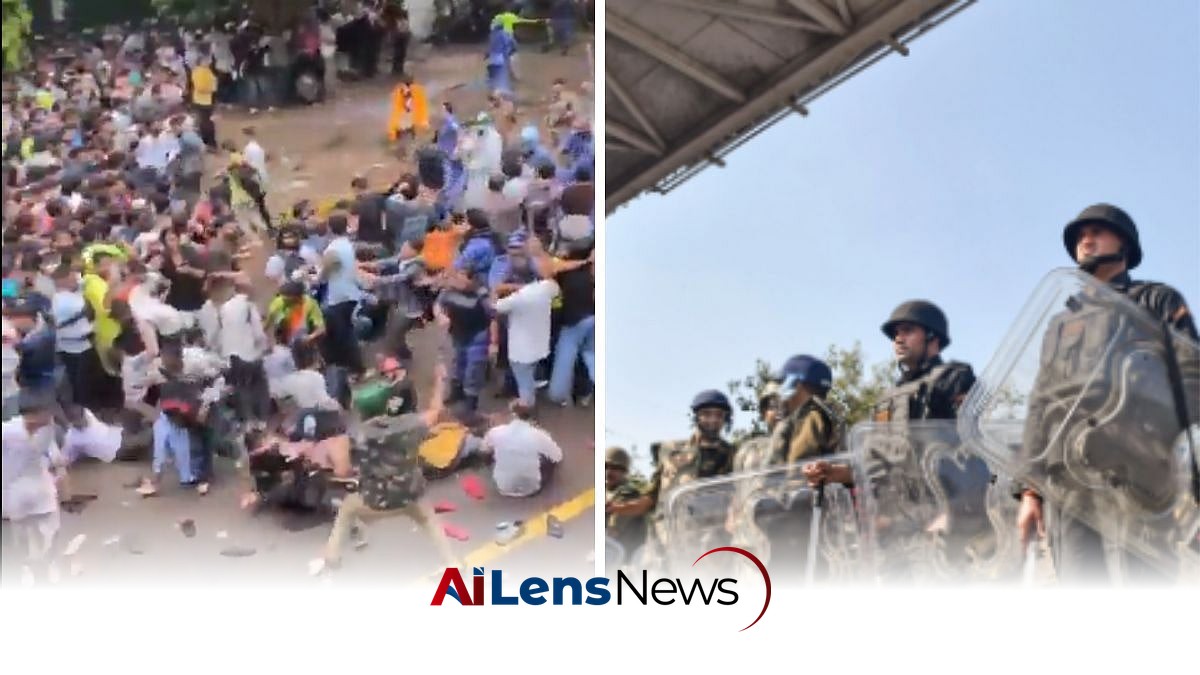


A protest by the Cockroach Janta Party escalated into violence in Delhi, resulting in injuries to over 50 police personnel and multiple arrests as demonstrators clashed with security forces.
New Delhi, India Jul 21, 2026 ALN: A protest march organised by the Cockroach Janta Party (CJP) in Delhi on Monday escalated into violent clashes after thousands of demonstrators attempted to march from Jantar Mantar towards Parliament on the opening day of the Monsoon Session. The event, which was intended to be a peaceful gathering to voice concerns over alleged irregularities in competitive examinations, quickly devolved into chaos, highlighting the tension between citizens and law enforcement during public demonstrations.
The CJP, a political party known for its focus on social justice and accountability, called for the 'Sansad Chalo' march to demand immediate action from the government regarding perceived injustices in the examination system. This was particularly relevant as many students have expressed concerns over transparency and fairness in the competitive examination process, which is crucial for securing government jobs and educational opportunities in India.
As the march commenced, the atmosphere was charged with anticipation, as supporters gathered despite persistent rainfall. The protesters were united by a common cause, seeking to draw attention to the grievances they felt were being ignored by the authorities. However, the situation took a turn for the worse as demonstrators attempted to breach police barricades set up around the protest site and key thoroughfares in central Delhi.
According to officials, the clashes resulted in injuries to over 50 personnel from the Delhi Police and paramilitary forces, including more than five Indian Police Service (IPS) officers. Protesters also sustained injuries, with reports indicating that the confrontations were intense and widespread. The use of force by the police, including tear gas and baton charges, has raised questions about the appropriateness of their response to the protests.
In the aftermath of the violence, the Delhi Police initiated an investigation, registering multiple First Information Reports (FIRs) and reviewing CCTV footage along with videos captured by bystanders. Authorities are also looking into the possibility that misinformation may have played a role in escalating tensions, or whether the unrest was part of a larger, more organized plan to disrupt the legislative process on such a significant day.
The significance of the timing of the protest cannot be understated. The Monsoon Session of Parliament is a critical period for the government, during which important legislation is discussed and passed. By choosing this day for their march, the CJP aimed to maximize visibility and pressure on lawmakers, particularly targeting Union Education Minister Dharmendra Pradhan, who has faced criticism over his handling of educational policies and examination systems.
The police had already anticipated potential unrest and deployed extensive barricades around Jantar Mantar and other strategic locations in the city. However, as security forces attempted to contain the situation, groups of protesters began to navigate through nearby lanes, with more participants joining the march. This grassroots mobilization reflected the frustration and urgency felt by many regarding the examination issues.
As the confrontation escalated, areas such as Constitution Club, Patel Chowk, Shastri Bhawan, the Reserve Bank of India (RBI) Building, and Parliament Street became hotspots for clashes between protesters and law enforcement. The deployment of tear gas shells and baton charges by security personnel indicated a significant escalation in the response to the demonstrators' attempts to reach Parliament.
In addition to the physical confrontations, the authorities took further measures to control the situation by suspending internet services in several parts of central Delhi. This tactic is often employed during times of unrest to prevent the organization of protests and the spread of misinformation, but it also raises concerns about the impact on civil liberties and the right to information.
During the clashes, two Delhi Police buses were reportedly damaged when protesters hurled stones at them, shattering their front windshields. Vandalism was also reported in the vicinity, with some shops along Janpath being targeted. The broader implications of such violence extend beyond the immediate injuries and property damage; they reflect a growing discontent among citizens regarding governance and accountability in public institutions.
In total, more than 70 individuals were taken into custody during the protests. Police sources indicated that a number of those detained were not students, despite the protest being centered on examination-related issues. This raises questions about the motivations of some participants and whether the protest attracted individuals with different agendas. The involvement of non-students in the protest could suggest that the grievances extend beyond just educational concerns, reflecting broader societal frustrations with the government.
The aftermath of the 'Sansad Chalo' march has sparked a wider conversation about the role of protests in a democratic society. While the right to assemble and express dissent is constitutionally protected, the events in Delhi illustrate the challenges that arise when protests turn violent. Discussions surrounding police conduct, the effectiveness of crowd control measures, and the underlying issues prompting such demonstrations are expected to continue in the coming days.
As the situation unfolds, it remains to be seen how the government will respond to the demands made by the CJP and the broader student community. The need for accountability in the examination process, as well as the importance of addressing public concerns through dialogue rather than force, will likely be key points of contention in the political discourse that follows this incident. The implications of this protest may resonate beyond the immediate context, influencing future interactions between the government, law enforcement, and citizens advocating for their rights.
To learn more about the latest developments in Crime & Law, stay updated with our exclusive reports and analyses on AiLensNews.

