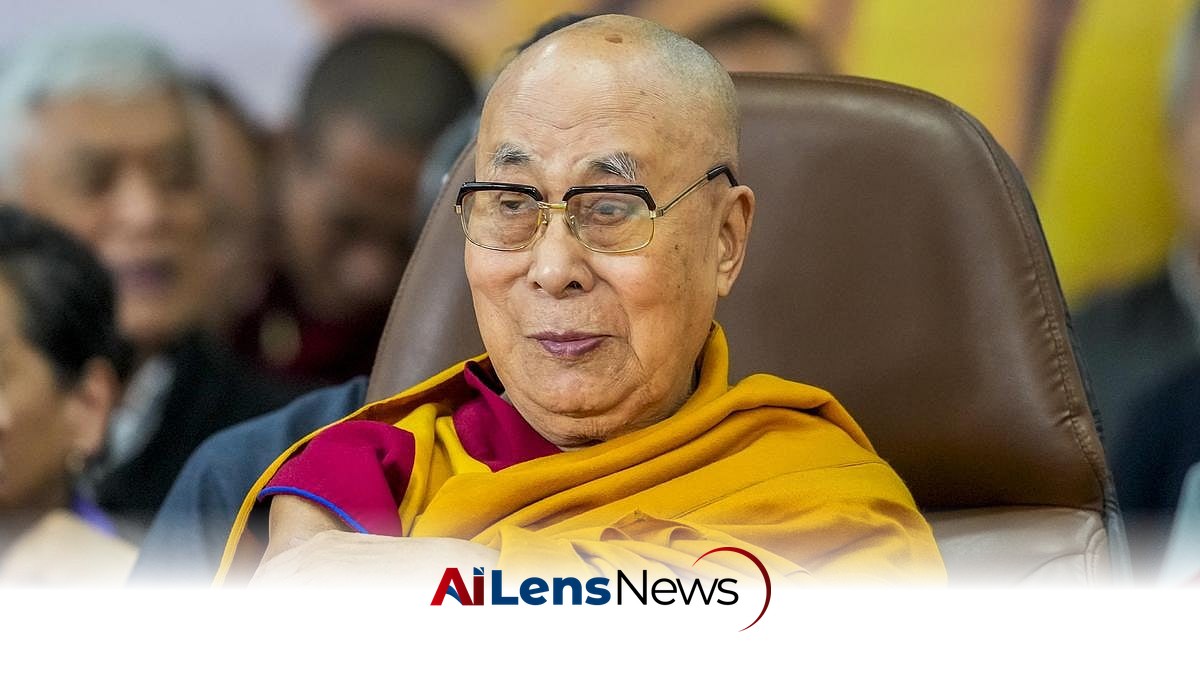


Zhang Yi, a pro-democracy activist, has been criminally detained in Tibet after showing a Dalai Lama photo, raising concerns about his safety and legal status.
New Delhi, India Jul 24, 2026 ALN: Dharamshala: Chinese pro-democracy activist and former 1989 Tiananmen student leader Zhang Yi has been placed under criminal detention by Chinese state security authorities in Lhasa after allegedly showing a photograph of the Dalai Lama on his mobile phone to a Tibetan devotee at Sera Monastery, Phayul reported, citing the Weiquanwang Information Centre.
The incident involving Zhang Yi occurred on July 1, coinciding with the implementation of China's "Law on Promoting Ethnic Unity and Progress." This law, which seeks to promote national unity among China's diverse ethnic groups, has raised concerns among human rights advocates and ethnic minorities who fear that it may be used to suppress dissent and cultural expression. Rights groups and Zhang's family have expressed concern that the veteran activist may have been targeted under this newly implemented legislation. Zhang, a human rights activist from Wuhan, had travelled to Lhasa with his younger brother, Zhang Xuan, to engage with Tibetan culture and communities.
Sera Monastery, where the incident took place, is one of the most significant Gelug monasteries in Tibetan Buddhism, located in the outskirts of Lhasa. It has long been a center for Buddhist education and practice, drawing monks and visitors from across Tibet and beyond. The monastery has also been a focal point for Tibetan cultural identity, particularly in the face of increasing Chinese governmental control and policies aimed at assimilating Tibetan culture into the broader Chinese identity. This context adds layers of complexity to Zhang's actions and the subsequent police response.
During his visit to Sera Monastery, Zhang reportedly attempted to borrow a prayer rug, a common practice among visitors wishing to participate in prayers or rituals. However, during this interaction, he is said to have shown a photograph of the exiled Tibetan spiritual leader, the Dalai Lama, stored on his phone to a Tibetan monk or devotee after facing a language barrier. The Dalai Lama, who has been in exile since 1959 following a failed uprising against Chinese rule in Tibet, is a highly revered figure among Tibetans and a symbol of Tibetan identity and resistance. The mere act of displaying his image can be interpreted as a political statement, especially in a region where the Chinese government has strictly controlled expressions of Tibetan identity and religious practices.
Later that evening, police stationed at the monastery detained both brothers and took them to Chengguan Police Station under the Lhasa Public Security Bureau. This detention reflects the heightened sensitivity of the Chinese state regarding any perceived dissent or actions that could be interpreted as undermining state authority or promoting separatism. Zhang Xuan was released after giving a statement, while officials initially informed him verbally that Zhang Yi would face 15 days of administrative detention, a common punitive measure used by authorities to manage perceived threats to public order without necessarily providing a legal basis for the detention.
However, on July 18, officials from the Tibet State Security Bureau reportedly informed Zhang Xuan that his brother had instead been placed under criminal detention on suspicion of "incitement." This shift from administrative detention to criminal detention suggests a more serious evaluation of Zhang Yi's actions, indicating that authorities may view his display of the Dalai Lama's photograph as an incitement to unrest or a challenge to state authority. The term "incitement" is often used in Chinese law to justify the detention of individuals whose actions or words are perceived to threaten social stability.
Authorities subsequently asked Zhang's family to transfer money for his living expenses in custody, a common practice in the Chinese detention system where families are often required to cover costs associated with their relatives' detention. This aspect of the detention process can add financial strain to families already facing emotional distress due to the uncertainty of their loved one's legal status and well-being. Officials also stated that a written notification regarding Zhang's detention would be sent to their home in Wuhan; however, as of the latest reports, no such notification has been received, leaving the family in a state of anxiety regarding his whereabouts and legal status.
Zhang Yi's detention is not an isolated incident but rather part of a broader pattern of repression against activists, particularly those who challenge the Chinese government's narrative on sensitive issues such as Tibet and the Dalai Lama. His long history of activism, particularly his involvement in the 1989 Tiananmen Square protests, has made him a target for state surveillance and repression. The Tiananmen protests, which called for democratic reforms and greater freedoms, were violently suppressed by the Chinese government, leading to a significant loss of life and a continued legacy of activism and dissent in China. Zhang's participation in these protests has placed him under official scrutiny, and his recent actions in Tibet have likely been interpreted through this lens of historical dissent.
The implications of Zhang Yi's detention extend beyond his personal circumstances, highlighting the ongoing tensions between the Chinese state and ethnic minorities, particularly Tibetans. The Chinese government's policies in Tibet, which include restrictions on religious practices, cultural expressions, and political dissent, have been met with resistance from local communities. The detention of activists like Zhang Yi serves to reinforce the chilling effect on free expression and the risks faced by those who dare to challenge state authority.
As the situation develops, it remains crucial for human rights organizations and the international community to monitor Zhang Yi's case closely. The response from the Chinese government, the legal proceedings that may follow, and the broader implications for activists in Tibet and across China will likely shape the discourse surrounding human rights and ethnic relations in the region. The case serves as a reminder of the delicate balance between state control and individual rights, particularly in areas with rich cultural histories and ongoing struggles for autonomy and recognition.
To learn more about the latest developments in Crime & Law, stay updated with our exclusive reports and analyses on AiLensNews.

