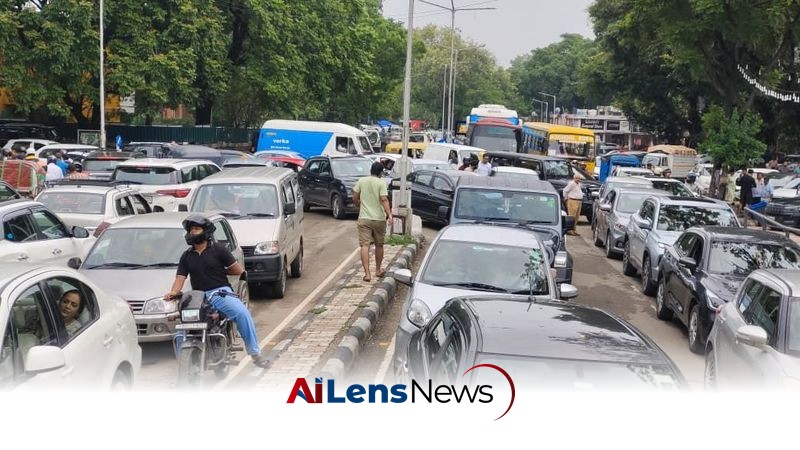


Fresh traffic restrictions have been announced as the Bharatiya Kisan Union plans a protest today, affecting key routes in the city.
Chandigarh, India Jul 13, 2026 ALN: In light of the upcoming protest organized by the Bharatiya Kisan Union (BKU-Rajewal) scheduled for today, authorities have announced fresh traffic restrictions in several areas of the city. The protest is expected to draw significant participation, leading to potential disruptions in daily commutes. The BKU-Rajewal is known for its active role in advocating for farmers' rights and has organized numerous demonstrations in the past to highlight various agricultural issues, including fair pricing, land rights, and government policies that affect the farming community.
City officials have identified key routes that will be heavily impacted during the protest. Motorists are advised to avoid the following areas:
Authorities recommend using alternative routes to minimize delays. Public transport services may also experience interruptions, so commuters should plan accordingly. The traffic disruptions are anticipated to begin in the morning and could last for several hours, depending on the size and duration of the protest. Commuters are encouraged to check real-time traffic updates and consider leaving earlier than usual to accommodate potential delays.
The BKU-Rajewal has been vocal about various agricultural issues, advocating for farmers' rights and better policies. Today's protest is part of a series of demonstrations aimed at drawing attention to these ongoing concerns. The farmers' movement has gained momentum in recent years, particularly following the contentious farm laws introduced by the government, which many farmers believed would undermine their livelihoods. Although those laws were repealed, the BKU-Rajewal continues to raise issues such as inadequate compensation for crop losses, the need for debt relief, and the demand for improved access to markets for their produce.
Furthermore, the impact of climate change on agriculture, fluctuating market prices, and the rising costs of inputs like fertilizers and seeds have added to the farmers' grievances. The protest today is expected to be a platform for farmers to voice their demands and seek government intervention on these pressing issues. It is a reflection of the broader struggles faced by the agricultural community in the region.
The agricultural sector in India has been under immense pressure due to a combination of factors, including policy changes, market volatility, and environmental challenges. Farmers have increasingly found themselves at the mercy of unpredictable weather patterns, which can devastate crops and, subsequently, their livelihoods. In addition, the rising costs of essential inputs such as seeds, fertilizers, and pesticides have further strained their financial stability. This has led to a growing sense of urgency among farmers to seek reforms that can provide them with better security and support.
Local residents have expressed mixed feelings about the protest. While many support the farmers' cause, others are concerned about the inconvenience caused by traffic disruptions. "It's important to support farmers, but I hope the protest doesn't lead to too much chaos on the roads," said one commuter. This sentiment is echoed by many who understand the significance of the farmers' plight but also rely on daily commutes for work and other responsibilities.
The complexity of public opinion highlights the delicate balance between supporting social movements and managing urban life. Some residents have taken to social media to express their solidarity with the farmers, sharing posts that highlight the importance of agriculture to the economy and food security. Others have called for more dialogue between farmers and government officials to address concerns without resorting to protests that disrupt daily life.
This duality in public sentiment underscores a broader societal issue where the struggles of farmers and the needs of urban commuters often clash. The farmers' movement is not only about agricultural policies but also about the fundamental rights of individuals who feed the nation. The challenge lies in finding a solution that addresses the grievances of farmers while minimizing the impact on urban populations.
In anticipation of the protest, law enforcement agencies have increased their presence in the affected areas. Officers will be deployed to manage traffic flow and ensure safety during the demonstration. Authorities urge the public to remain patient and cooperate with traffic regulations. The police have also set up designated areas for the protest to ensure that it remains peaceful and orderly, emphasizing the right to protest while maintaining public order.
Emergency services are on standby to respond to any incidents that may arise during the protest. Additionally, local government officials have been in communication with protest organizers to facilitate a smooth demonstration, ensuring that the farmers' voices are heard while minimizing disruption to the general public. This proactive approach aims to strike a balance between the farmers’ right to protest and the need for public safety and order.
Moreover, the engagement between government officials and protest organizers is crucial for fostering a constructive dialogue. It is essential that both parties recognize the significance of the issues at hand and work towards finding mutually agreeable solutions. This could involve negotiations for better policies or programs that directly address the farmers' concerns, which could ultimately lead to a more stable agricultural environment.
As the protest unfolds, city officials emphasize the importance of public safety and the need for a balanced approach to addressing farmers' grievances. Commuters are encouraged to stay informed about traffic updates and consider alternative travel plans. The outcome of this protest may influence future discussions between the government and agricultural representatives, potentially leading to policy changes that could benefit the farming community.
In summary, the protest organized by the BKU-Rajewal serves as a reminder of the ongoing challenges faced by farmers in the region. It highlights the need for continued dialogue and engagement between farmers, government officials, and the public to foster a more equitable agricultural system. As the situation develops, it will be important for all stakeholders to work together to find solutions that address the needs of farmers while considering the impact on urban life.
The implications of this protest extend beyond the immediate traffic disruptions; they reflect a growing awareness of the agricultural sector's struggles and the vital role that farmers play in the economy. As discussions continue, it is essential to recognize that the health of the agricultural sector is intertwined with the well-being of urban populations, and finding a resolution that supports both is crucial for the overall stability of society.
To learn more about the latest developments in Local & Regional, stay updated with our exclusive reports and analyses on AiLensNews.

