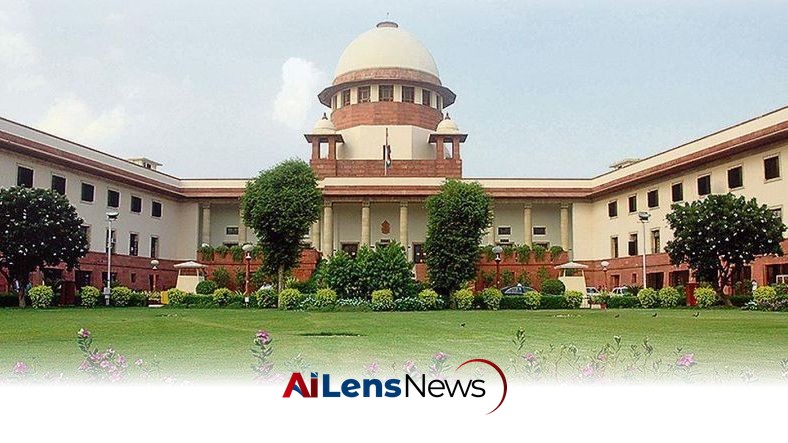


The Supreme Court has ruled against the unauthorized posting of court hearings on social media, following a viral incident involving a litigant's outburst during a session.
Chandigarh, India Jul 24, 2026 ALN: The Supreme Court of India has issued a significant ruling prohibiting the posting and uploading of court hearings on social media platforms without prior permission. This decision comes in the wake of a viral incident where a litigant was seen hurling abuses and throwing his case file during a hearing on July 10. The incident, which drew widespread attention on social media, raised serious concerns about the behavior of individuals within the courtroom and the subsequent public reaction it elicited.
The court's directive aims to maintain the decorum of judicial proceedings and prevent any potential misuse of court hearings that could undermine the integrity of the legal process. The ruling underscores the importance of respecting the judicial system and the need for appropriate conduct during court sessions. By restricting the unauthorized sharing of court proceedings, the Supreme Court seeks to ensure that the legal process remains dignified and that the focus is on the substantive issues being addressed, rather than on sensationalized portrayals of courtroom dramas.
The decision was prompted by concerns over the increasing trend of litigants and others sharing court proceedings on social media, which can lead to sensationalism and misrepresentation of the judicial process. The Supreme Court emphasized that such actions could disrupt the administration of justice and violate the privacy of individuals involved in legal matters. The rise of social media has provided a platform for real-time commentary and sharing of events, including court hearings, which can sometimes result in a distorted view of the judicial process.
In recent years, there have been numerous instances where snippets of court hearings have gone viral, often leading to public outrage or support based on incomplete narratives. The Supreme Court's ruling is a response to this trend, aiming to curb the spread of misinformation and to protect the integrity of the legal proceedings. The court recognized that while transparency is essential in a democratic society, it should not come at the cost of the judicial system's dignity and the rights of the individuals involved.
Historically, the relationship between the judiciary and media has been a complex one. Courts have often been cautious about how their proceedings are portrayed in the media, and this ruling reflects a growing concern that social media is not merely an extension of traditional media but a platform that can amplify sensationalism and misinformation at an unprecedented scale. The court's decision indicates a desire to take proactive steps to ensure that the legal process is not undermined by the rapid dissemination of potentially misleading information.
This ruling sets a precedent for how court proceedings are shared and discussed in the public domain. Legal experts believe that it will help in safeguarding the dignity of the court and ensure that the focus remains on the legal issues at hand rather than on personal dramas played out in the courtroom. The decision has the potential to reshape the relationship between the judiciary and the media, as well as the general public.
Furthermore, the court's decision may lead to stricter regulations regarding the coverage of judicial proceedings by media outlets and individuals alike, reinforcing the need for responsible reporting and commentary on legal matters. Journalists and commentators will now have to navigate a more complex landscape when it comes to reporting on court cases, ensuring that they adhere to the guidelines set forth by the Supreme Court.
In addition to these implications for the media, the ruling raises questions about the balance between freedom of expression and the need for a respectful and orderly judicial process. While the public has a right to access information about court proceedings, this right must be balanced against the necessity of maintaining the integrity of the legal system. The Supreme Court's ruling emphasizes that the courtroom is a place of serious legal discourse, and as such, it should not be treated as a stage for public entertainment.
The ruling may also prompt discussions about the role of technology in the courtroom. With the advent of digital platforms, there is a growing need to adapt legal frameworks to address the challenges posed by these technologies. As courts increasingly rely on digital tools for case management and hearings, the implications of this ruling may extend to how these tools are used and how information is shared in the digital age.
Implementing this ruling may present challenges, particularly in terms of enforcement. Social media platforms are vast and often difficult to regulate, making it challenging for authorities to monitor and control the dissemination of court-related content. Furthermore, the definition of what constitutes "court hearings" may need to be clarified, as the ruling could inadvertently impact discussions about ongoing cases in forums that are not directly related to the judiciary.
Moreover, the ruling may raise concerns about the potential for overreach. Critics may argue that such restrictions could lead to a chilling effect on public discourse regarding legal matters. The balance between protecting the judicial process and allowing for public scrutiny is delicate, and any missteps in implementation could lead to further complications. The legal community may also face challenges in reconciling the need for transparency with the court's desire to uphold its dignity.
Additionally, there may be concerns about the implications for the right to free speech. The ruling might lead to debates about how far the government can go in regulating speech, particularly in matters of public interest. Legal scholars may analyze whether this ruling could set a precedent for further restrictions on public discourse surrounding legal matters, raising fundamental questions about the boundaries of free expression in a democratic society.
The Supreme Court's ruling reflects a commitment to uphold the sanctity of the judicial process while balancing the public's right to information. As social media continues to play an influential role in society, this decision marks a crucial step in regulating how legal proceedings are portrayed and discussed online. The ruling serves as a reminder of the responsibilities that come with freedom of expression, particularly in the context of serious legal matters where the stakes are high and the consequences of misinformation can be profound.
As this ruling unfolds, it will be essential to observe its impact on both the legal community and the public at large. The implications of this decision will likely resonate beyond the courtroom, influencing how legal issues are communicated and understood in an increasingly digital world. The Supreme Court's action may pave the way for a more respectful and orderly discourse surrounding judicial proceedings, ultimately reinforcing the rule of law and the principles of justice in society.
To learn more about the latest developments in Crime & Law, stay updated with our exclusive reports and analyses on AiLensNews.

