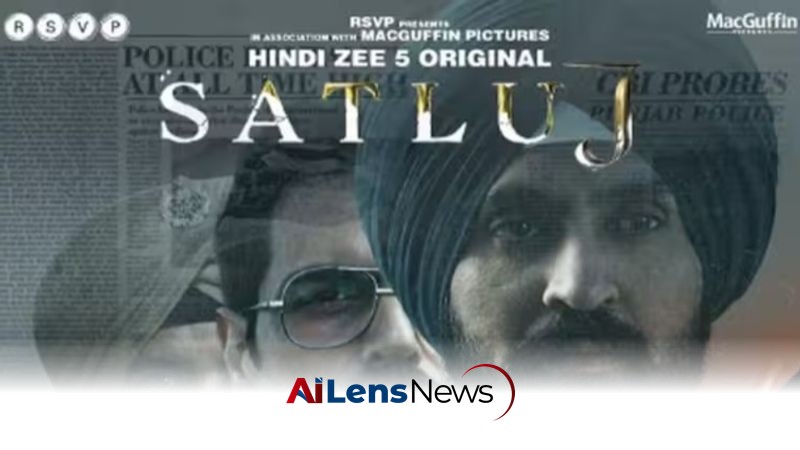


The government is contemplating measures against ZEE5 for continuing to stream 'Satluj', citing national security and public safety concerns.
Chandigarh, India Jul 15, 2026 ALN: The Indian government is currently evaluating potential actions against the streaming platform ZEE5 for its decision to continue airing the film 'Satluj'. This comes after the government had previously imposed a ban on the film due to concerns regarding national security and public safety. The ongoing discussions reflect a growing tension between the creative freedoms of filmmakers and the responsibilities of streaming platforms in ensuring that their content does not incite unrest or threaten the social fabric of the country.
'Satluj', which has garnered attention for its controversial themes, has raised alarms among officials who believe that its content could pose risks to public order. The film's narrative and portrayal of sensitive issues have led to widespread discussions about its implications. Critics of the film argue that it touches on topics that are not only politically charged but also sensitive to various communities within India, leading to fears of potential backlash or unrest.
The film was initially banned two days ago, with the government citing its potential to incite unrest. Officials have expressed that the film's depiction of certain events could lead to misunderstandings and exacerbate tensions within communities. The decision to impose a ban is not unprecedented in India, where the government has previously taken action against films and other media that are perceived to threaten communal harmony or national integrity. This is particularly relevant in a diverse nation like India, where various ethnic, religious, and cultural groups coexist, often with underlying tensions.
The controversy surrounding 'Satluj' reflects a broader issue within the Indian film industry, where filmmakers often grapple with the constraints of censorship and the need to address pressing social issues. The film's narrative likely touches on themes that resonate with current socio-political realities, making it a focal point for debate about freedom of expression versus societal responsibility. As the government reviews the situation, it must consider not only the immediate implications of the film's content but also the long-term effects on creative expression in the country.
In light of the film's continued availability on ZEE5, the government is now considering further regulatory measures. This includes potential penalties or stricter guidelines for streaming platforms regarding content that may threaten national security. The government's approach to regulating digital content has evolved over the years, especially with the rise of streaming platforms that often operate outside traditional regulatory frameworks. This has led to calls for clearer guidelines and accountability measures for content providers.
The government's stance is indicative of a larger trend seen globally, where authorities are increasingly scrutinizing the influence of digital media on public opinion and social stability. In India, the challenge lies in balancing the need for creative freedom with the imperative of maintaining public order. As streaming platforms become more popular, the government may feel pressured to implement more stringent regulations to mitigate perceived risks associated with certain content.
The public response to the film has been mixed. While some viewers appreciate the artistic expression, others are concerned about the possible ramifications of its content. Social media platforms have seen a flurry of opinions, with calls for both support and opposition to the film's streaming. Advocates for artistic freedom argue that films like 'Satluj' are essential for fostering dialogue about difficult topics, while opponents fear that such narratives could incite violence or deepen societal divisions.
This division in public opinion underscores the complexities of cultural discourse in India, where art often reflects and challenges prevailing societal norms. The film's thematic elements may resonate with certain audiences, prompting discussions about representation and the role of cinema in societal change. Conversely, those who oppose the film may argue that it is irresponsible to highlight contentious issues in a manner that could lead to conflict.
The outcome of the government's review could set a precedent for how streaming services handle sensitive content in the future. As the landscape of digital media continues to evolve, the balance between creative freedom and public safety remains a critical issue. If the government decides to impose stricter regulations, it may lead to a chilling effect on filmmakers and content creators who wish to explore provocative themes.
Moreover, the implications of this situation extend beyond just the film 'Satluj'. They raise important questions about the responsibilities of streaming platforms in curating their content and the potential consequences of failing to adhere to government guidelines. As the relationship between the state and digital content providers becomes increasingly complex, industry stakeholders—including filmmakers, legal experts, and advocacy groups—will need to engage in ongoing dialogue to navigate these challenges.
As discussions progress, stakeholders from various sectors are expected to weigh in on the implications of such actions on the film industry and digital content regulation. The outcome could influence future content creation, distribution, and consumption practices in India, shaping the landscape of entertainment in a way that reflects both artistic aspirations and societal values.
In conclusion, the situation surrounding 'Satluj' highlights the ongoing tension between artistic expression and national security concerns, prompting a broader dialogue about the responsibilities of streaming platforms in curating their content. The government's review of ZEE5's actions may not only impact the future of the film in question but also signal a shift in how authorities engage with the rapidly changing dynamics of digital media in India.
To learn more about the latest developments in Politics, stay updated with our exclusive reports and analyses on AiLensNews.

