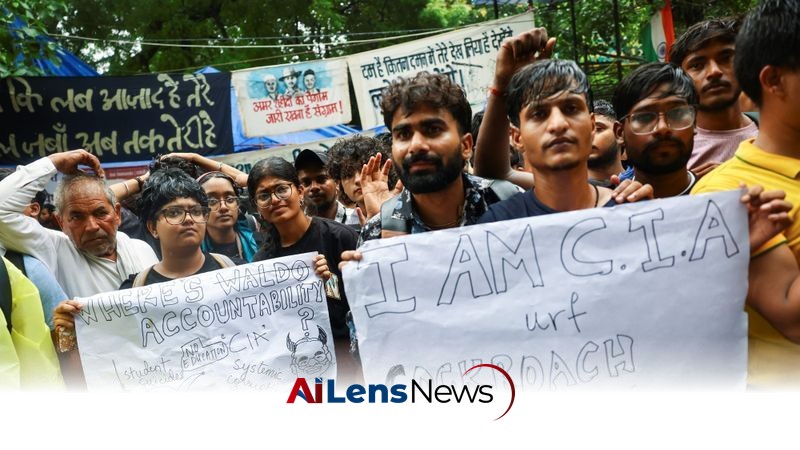


Security concerns lead to the closure of four key metro stations in Delhi as protests escalate in Connaught Place, resulting in clashes with police.
Chandigarh, India Jul 22, 2026 ALN: In response to escalating protests in Delhi's Connaught Place, authorities have closed four major metro stations to ensure public safety. The decision follows a second round of clashes reported past midnight on Wednesday, where members of the Rapid Action Force (RAF) were allegedly targeted by a section of the protest crowd. Eyewitness accounts indicate that a police vehicle was also pelted with stones near Janpath.
The affected metro stations include:
These closures are part of a broader security measure aimed at preventing further escalation of violence during the protests. The Delhi Metro Rail Corporation (DMRC) announced that the closures would remain in effect until the situation stabilizes, reflecting the authorities' commitment to maintaining public order. The Rajiv Chowk station, one of the busiest in the city, serves as a critical interchange point for commuters, and its closure is expected to significantly impact daily travel for thousands.
The protests, which have been gaining momentum, are reportedly linked to various socio-political issues that have resonated with a significant segment of the population. Demonstrators have expressed their grievances through placards and chants, demanding accountability and change. The protests have emerged against a backdrop of broader national discontent, where citizens are increasingly vocal about governance issues, economic disparities, and social justice concerns. This wave of protests is not an isolated incident but part of a larger trend observed in several urban centers across India, where citizens have taken to the streets to voice their demands for reform.
Many protesters have cited issues such as rising unemployment, inflation, and perceived governmental inaction on pressing social issues as catalysts for their actions. The protests in Connaught Place are seen as a reflection of the frustrations felt by many, particularly in urban areas where the impacts of economic policies are most acutely felt. The gathering of diverse groups, including students, activists, and concerned citizens, indicates a collective desire for change and accountability from elected officials.
Historically, protests in India have been a powerful means for citizens to express their discontent and push for reforms. From the anti-corruption movements led by social activists to the more recent farmer protests, public demonstrations have played a significant role in shaping policy and governance. The current protests in Connaught Place echo this tradition, signaling a resurgence of civic engagement and a demand for greater governmental accountability.
Authorities have urged citizens to avoid the area and utilize alternative routes for their commutes. The Delhi Police have increased their presence in the vicinity to maintain order and ensure the safety of both protesters and bystanders. This heightened security presence includes not only police officers but also specialized units like the RAF, which is trained to handle crowd control and manage civil unrest. The government has emphasized its commitment to allowing peaceful protests while also ensuring that public safety is not compromised.
In light of the recent clashes, the police have reiterated their stance on handling protests, stating that they will not tolerate violence or any actions that threaten public safety. The authorities have also called for dialogue with protest leaders to address their concerns and seek a peaceful resolution to the ongoing unrest. This approach aims to balance the right to protest with the need for maintaining order in the capital city.
The government's strategy reflects a broader trend in handling civil unrest, where authorities often face the challenge of navigating between maintaining public order and respecting citizens' rights to express dissent. As seen in previous protests, the response from law enforcement can significantly influence the trajectory of the demonstrations, either calming tensions or exacerbating them.
The public's reaction to the closures has been mixed, with some supporting the measures for safety, while others criticize the restrictions on mobility during peaceful protests. Social media platforms are abuzz with discussions about the implications of such actions on democratic rights. Supporters of the closures argue that they are necessary to prevent further violence and protect both protesters and the general public. They contend that the government has a responsibility to ensure safety in public spaces, especially when tensions are high.
Conversely, critics argue that the closures impede the right to protest, which is a fundamental aspect of democratic expression. Many see the restrictions as an overreach of governmental authority, fearing that such measures could set a precedent for limiting civil liberties in the future. Activists and civil rights organizations have voiced concerns that the government's response may suppress legitimate dissent and discourage citizens from engaging in peaceful demonstrations.
This division in public opinion highlights the delicate balance that must be struck in democratic societies between ensuring safety and upholding civil liberties. As protests continue, the discourse surrounding the government's actions will likely evolve, with advocates for both sides making their voices heard.
The current situation raises important questions about the balance between security and civil liberties in India. As protests continue to unfold, the government's response may shape public perception and influence future demonstrations. Observers note that how authorities handle this situation could either foster a more engaged citizenry or lead to greater disillusionment with the political process.
Furthermore, the implications of the protests extend beyond the immediate context of Connaught Place. They may signal a growing trend of civic engagement among the populace, particularly among younger generations who are increasingly aware of socio-political issues and eager to advocate for change. The protests could serve as a catalyst for broader movements, potentially influencing policy discussions and electoral outcomes in the future.
As the political landscape continues to evolve, the role of social media in mobilizing protests and shaping public discourse cannot be understated. Many young activists are utilizing online platforms to organize, share information, and amplify their messages, which can lead to a more informed and active citizenry. This shift in how protests are organized and communicated may have lasting effects on how civil society interacts with the government.
As the situation continues to develop, updates will be provided regarding the protests and any further actions taken by the authorities. The community is encouraged to stay informed and exercise caution while navigating the affected areas. The unfolding events in Delhi serve as a reminder of the dynamic nature of civic engagement and the complexities involved in balancing public safety with the right to protest. As citizens navigate these challenges, the ongoing dialogue between the government and the public will be crucial in shaping the future landscape of democratic expression in India.
In conclusion, the protests in Connaught Place represent not just immediate concerns about governance and policy but also reflect broader societal trends regarding civic engagement. The coming days will be critical in determining how these protests evolve, how the government responds, and what this means for the future of public dissent in India. The balance between maintaining order and respecting the rights of citizens to express their grievances will be a defining feature of this moment in India's democratic journey.
To learn more about the latest developments in Crime & Law, stay updated with our exclusive reports and analyses on AiLensNews.

