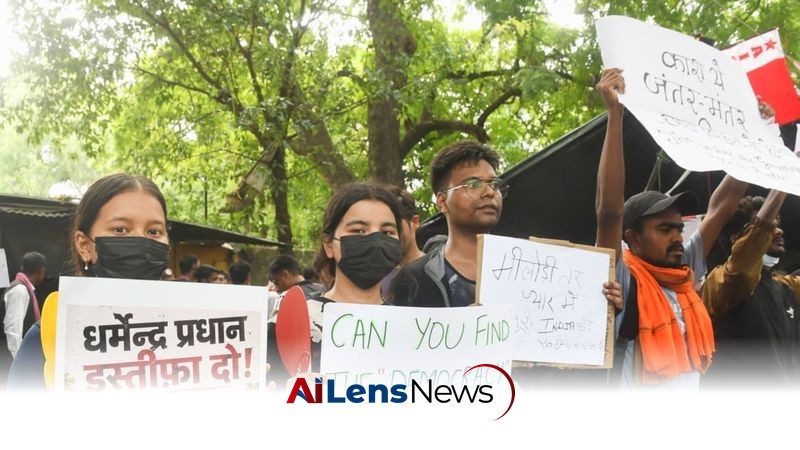


Protests led by activist Sonam Wangchuk continue in Delhi, prompting the closure of 18 Metro stations for the fourth consecutive day. Wangchuk ended his hunger strike after receiving assurances from the government.
Chandigarh, India Jul 25, 2026 ALN: In a significant escalation of ongoing protests, 18 Delhi Metro stations have remained shut for the fourth consecutive day as demonstrators rally against the government's policies. The protests, primarily led by activist Sonam Wangchuk, have drawn attention to various issues, including demands for greater autonomy and rights for the people of Ladakh.
Wangchuk, who had been on a hunger strike for 26 days, announced the end of his fast after receiving written assurances from the central government. His decision was influenced by concerns over a potential crackdown on protesters, which he feared could lead to violence similar to the tragic events of September 24, 2025, when youth in Ladakh were shot during protests.
The protests have been fueled by longstanding grievances among the residents of Ladakh regarding their political and economic rights. Activists argue that the region has been marginalized since its designation as a Union Territory in 2019, and they are calling for greater representation and autonomy. The change in status from a part of Jammu and Kashmir to a Union Territory was seen by many in Ladakh as a double-edged sword. While it provided a certain degree of administrative independence, it also raised fears of losing cultural identity and political representation.
Historically, Ladakh has been a region characterized by its unique culture and diverse communities, including Buddhists, Muslims, and others. The push for greater autonomy stems from fears that the central government's policies may not adequately address the needs and aspirations of the local populace. Protesters argue that the lack of local governance has led to a disconnect between the administration and the people's needs, further exacerbating issues such as unemployment, land rights, and resource management.
Since the revocation of Jammu and Kashmir's special status in 2019, Ladakh has been governed directly by the central government. This transition was met with mixed reactions; while some viewed it as an opportunity for better governance, many residents felt it stripped them of their rights and representation. The absence of a legislative assembly in Ladakh has left many citizens feeling disenfranchised and voiceless in the political process, fueling the ongoing protests.
The closure of the Metro stations has significantly affected daily commuters in Delhi, leading to increased traffic congestion and frustration among the public. The Delhi Metro is a crucial mode of transportation for millions, and its disruption has forced many to seek alternative modes of transportation, such as buses, auto-rickshaws, or taxis. This shift has resulted in longer travel times and increased fares in some cases, further adding to the public's discontent.
Commuters have expressed their frustration, not only due to the inconvenience caused by the station closures but also because of the broader implications of the protests. Many see the protests as a reflection of deeper issues within the governance of the region and the relationship between the central government and peripheral areas like Ladakh. As traffic snarls and overcrowding on alternative transport options become the norm, the public's patience is wearing thin.
Moreover, the disruption of public transport has raised concerns about public safety and accessibility, particularly for vulnerable populations who rely on the Metro for their daily commutes. The inability to access essential services and workplaces has compounded the stress and anxiety felt by many residents, leading to calls for a resolution to the protests as soon as possible.
In response to the protests, the government has stated that it is committed to addressing the concerns of the residents of Ladakh. Officials have indicated that they are open to dialogue and have expressed a willingness to engage with representatives from Ladakh to discuss the issues at hand. However, many protesters remain skeptical of the government's intentions, citing past failures to deliver on promises made to the people of Ladakh.
Previous assurances from the government regarding development projects, job creation, and local representation have often been met with disappointment. Activists argue that without concrete actions and genuine engagement, the government's promises are merely empty rhetoric meant to placate dissent. This skepticism is compounded by the history of conflict and mistrust between the central administration and local communities, making it difficult for the government to regain credibility in the eyes of the protesters.
The government's approach to the protests has also been scrutinized, with some accusing it of employing heavy-handed tactics to suppress dissent. The deployment of security forces in response to the protests has raised concerns about potential human rights violations, particularly in light of the violent history of protests in the region. Activists argue that a more constructive approach, focused on dialogue and compromise, is necessary to address the underlying issues and restore trust between the government and the people of Ladakh.
As the protests continue, Wangchuk and other activists have vowed to keep the momentum going until their demands are met. The situation remains tense, with both sides preparing for potential escalations in the coming days. The protesters have called for a larger mobilization of support from various civil society groups and organizations across India, aiming to amplify their voices and draw national attention to their plight.
Furthermore, the potential for violence remains a concern, especially in light of past incidents where protests in the region turned deadly. Authorities are closely monitoring the situation, and there are fears that any miscalculation could lead to a repeat of previous confrontations between security forces and protesters. The government has deployed additional security personnel to maintain order, but this has only heightened tensions among demonstrators who view such actions as provocative.
In addition to the immediate concerns surrounding the protests, there are broader implications for the political landscape of India. The situation in Ladakh may serve as a litmus test for the central government's approach to regional autonomy and representation, particularly in areas with distinct cultural identities and aspirations for self-determination. As the protests unfold, they may influence how other regions and communities articulate their demands for rights and representation in the future.
Commuters and residents are urged to stay informed and exercise caution in affected areas. As the protests continue to evolve, updates regarding the status of the Metro stations and the government's response are expected. The situation remains fluid, and the outcome of these protests may have lasting implications for the governance and development of Ladakh and its people.
As the protests persist, the need for constructive dialogue and meaningful engagement between the government and the residents of Ladakh has never been more critical. The stakes are high, not only for the future of Ladakh but also for the broader narrative of governance and representation in India. The outcome of these protests could set a precedent for how the central government addresses similar demands from other regions, potentially reshaping the political landscape of the country in the years to come.
To learn more about the latest developments in Crime & Law, stay updated with our exclusive reports and analyses on AiLensNews.

