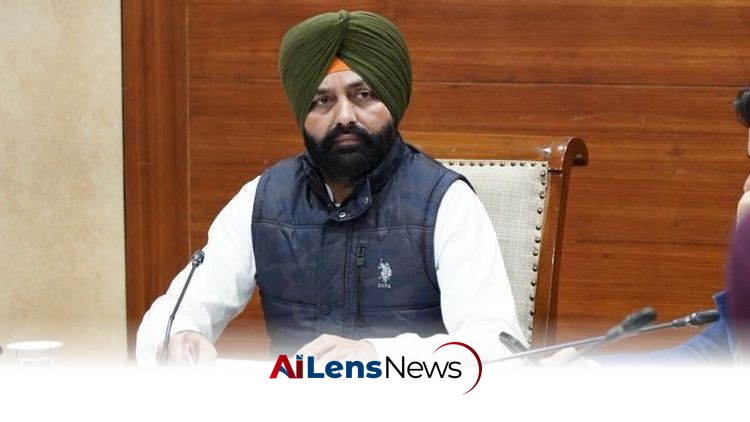


The court has rejected Laljit Bhullar's bail plea amid concerns he could influence witnesses in the ongoing investigation into a warehousing officer's suicide.
Chandigarh, India Jul 15, 2026 ALN: The Punjab and Haryana High Court has denied bail to former Punjab minister Laljit Bhullar in connection with the suicide case of a warehousing officer. The decision comes amid serious concerns regarding Bhullar's political influence and the potential for witness tampering. This ruling has significant implications not only for the parties directly involved but also for the political landscape in Punjab, where questions about accountability and the power dynamics between public servants and political figures are increasingly under scrutiny.
During the court proceedings, the counsel representing the victim's family argued that Bhullar's release could jeopardize the integrity of the trial. They emphasized that his significant political clout could allow him to intimidate witnesses or otherwise interfere with the ongoing investigation. This argument underscores a broader concern about the potential for political figures to wield their influence to obstruct justice, particularly in cases that involve sensitive issues such as suicide and mental health, which are often stigmatized in society.
The case revolves around the tragic suicide of a warehousing officer, which has drawn considerable media attention and public scrutiny. The circumstances surrounding the officer's death have raised questions about the pressures faced by individuals in public service, particularly in relation to political figures. The officer, whose identity has been kept confidential to respect the family's privacy, reportedly faced immense stress related to work demands and possible political interference in his duties. Such pressures are not uncommon in bureaucratic settings, especially in regions where political patronage is prevalent.
The political environment in Punjab has been fraught with tension, particularly in recent years as various parties vie for power and influence. The warehousing sector, which is crucial for the state's economy, has seen its fair share of challenges, including allegations of corruption and mismanagement. The intersection of these issues with the personal struggles of public servants adds a layer of complexity to the case, highlighting the need for systemic reforms to protect employees from undue pressure.
The suicide of the warehousing officer has not only raised alarm about mental health issues within the public service sector but has also sparked a broader conversation about the responsibilities of political leaders towards those they govern. The officer's death serves as a grim reminder of the toll that political dynamics can take on individuals working in public service, especially when they are caught between the demands of their jobs and the expectations of political figures.
In court, the prosecution highlighted various instances where Bhullar's influence could be detrimental to the case. They presented evidence suggesting that Bhullar had previously attempted to sway public opinion and exert pressure on officials involved in the investigation. This included allegations that he had made public statements that could be interpreted as attempts to undermine the credibility of the investigation or to paint the victim in a negative light.
Moreover, the prosecution argued that Bhullar's connections within the political and bureaucratic spheres could pose a significant risk to the integrity of the trial. They requested that the court consider the broader implications of granting bail to a figure of such prominence, emphasizing the potential for him to leverage his position to influence the outcome of the case. The defense, on the other hand, argued that Bhullar was not a flight risk and that there was no direct evidence linking him to the circumstances surrounding the officer's death.
This legal battle highlights the tension between the need for justice for the victim and the rights of the accused. The court's decision to deny bail reflects a growing awareness of the complexities involved in cases where political figures are implicated. It raises important questions about how the legal system can effectively navigate the intersection of politics and justice, particularly in a region where political influence is deeply entrenched.
The decision to deny bail has been met with mixed reactions from the public. Many view the ruling as a necessary step to ensure justice for the victim, while others express concern over the implications for political accountability in the region. Social media platforms have seen a flurry of discussions, with some users advocating for greater transparency in political dealings and others cautioning against what they perceive as a rush to judgment.
The case has also sparked conversations about mental health awareness and the support systems available for public servants in Punjab. Advocates for mental health have pointed out that the pressures faced by individuals in such roles can lead to tragic outcomes, and they are calling for more robust support mechanisms to be put in place. The intersection of mental health, politics, and public service is a topic that resonates deeply within the community, as many individuals have experienced or witnessed similar pressures.
This discourse is crucial, as it sheds light on the often-overlooked mental health challenges that public servants face. The stigma surrounding mental health issues can prevent individuals from seeking help, and the fear of repercussions from speaking out can exacerbate their struggles. The case of the warehousing officer serves as a catalyst for advocating for systemic changes that prioritize the well-being of public servants.
Following the court's ruling, Bhullar's legal team has indicated plans to appeal the decision. The case is expected to continue to unfold in the coming weeks, with further hearings scheduled to address the ongoing investigation and any new developments. As the appeal process begins, it will be crucial to monitor how the legal arguments evolve and whether any new evidence comes to light that could influence the outcome.
As this high-profile case progresses, it remains a focal point for discussions about political influence, accountability, and the challenges faced by public servants in Punjab. The implications of this case extend beyond the immediate parties involved, as it raises important questions about the relationship between politics and public service in the region. Observers are keenly watching how this situation unfolds, as it may set precedents for future cases involving political figures and their accountability in matters of public concern.
Furthermore, the case highlights the urgent need for reforms in how public servants are treated within the political framework. Advocates are calling for clearer guidelines and protections for individuals working in government roles, especially in sectors that are susceptible to political pressures. The outcome of this case could potentially lead to a reevaluation of how such issues are handled in the future, making it a crucial moment for both the legal system and the political landscape in Punjab.
In conclusion, the denial of bail to Laljit Bhullar is not merely a legal decision; it is a reflection of the broader societal issues at play. As the case unfolds, it will be essential to keep a close eye on the developments and their implications for justice, mental health, and political accountability in Punjab. The discussions sparked by this case may pave the way for necessary reforms that could benefit not only the individuals involved but also the larger community that is affected by the intersection of politics and public service.
To learn more about the latest developments in Crime & Law, stay updated with our exclusive reports and analyses on AiLensNews.

