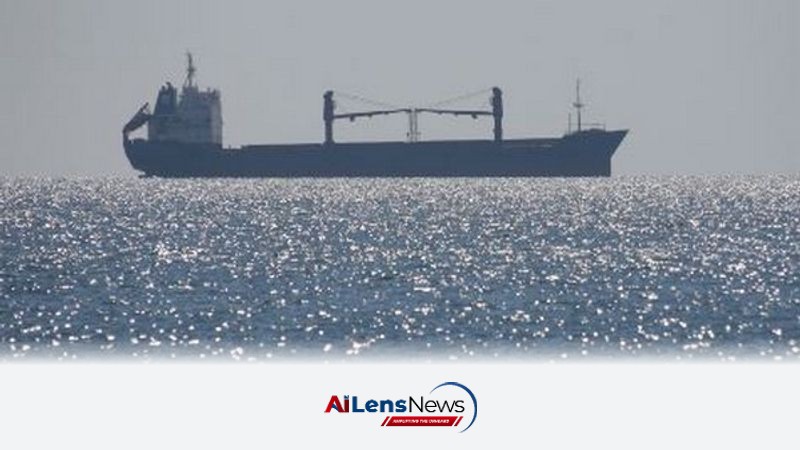



A cargo ship sank in the Bay of Bengal, prompting a search for 22 missing crew members after two were found alive.
Chandigarh, India Aug 23, 2026 ALN: A Panama-flagged cargo ship carrying 24 crew members sank in the Bay of Bengal off the coast of Odisha on Saturday. The incident occurred during adverse weather conditions, leading to a swift response from local authorities and the Indian Coast Guard. This maritime tragedy has not only raised concerns about the safety of seafaring but has also highlighted the vulnerabilities faced by vessels operating in challenging weather conditions.
As the search and rescue operation unfolded, two sailors were found alive on a life raft late Saturday night. They were promptly rescued and are currently receiving medical attention. However, the fate of the remaining 22 crew members remains uncertain, prompting a massive search operation in the area. The emotional toll on the families of the missing crew members is profound, as they await news of their loved ones amidst a backdrop of uncertainty and fear.
The Indian Coast Guard has deployed multiple vessels and aircraft to assist in the search efforts. The operation is complicated by rough sea conditions, which have hampered visibility and navigation. Rescue teams are working tirelessly to locate the missing crew members, utilizing advanced technology and local fishing boats to cover a wider area. The coordination between the Coast Guard and local fishermen is particularly noteworthy, as the latter possess intimate knowledge of the waters and can provide valuable assistance in locating the missing individuals.
Officials have urged families of the missing crew to remain hopeful as the search continues. The Coast Guard has also coordinated with local fishermen to aid in the search, emphasizing community involvement in such emergencies. This collaboration highlights the importance of community support in times of crisis, as local fishermen often operate in the same waters and can offer insights that might otherwise be overlooked by rescue teams unfamiliar with the area.
The cargo ship, which was reportedly en route to a port in India, encountered difficulties that led to its sinking. While the exact cause of the incident is still under investigation, preliminary reports suggest that the ship may have capsized due to high waves and strong winds. Such weather patterns are not uncommon in the Bay of Bengal, particularly during certain seasons, which raises questions about the vessel's preparedness for navigating through such conditions.
Authorities are also looking into the ship's maintenance records and compliance with safety regulations to determine if any negligence contributed to the tragedy. Investigations will likely focus on the ship's seaworthiness, the crew's experience and training, and whether appropriate safety measures were in place prior to embarking on the journey. The maritime industry has faced scrutiny in recent years regarding compliance with safety standards, and this incident may prompt renewed calls for stricter regulations and enforcement to prevent similar occurrences.
The local community has rallied to support the families of the crew members. Vigils and prayer meetings are being organized, reflecting the solidarity and concern for those affected by the incident. Community leaders have called for immediate assistance and support for the families during this challenging time. This outpouring of support illustrates the deep connections within coastal communities, where many individuals may be related or connected through shared experiences in the maritime industry.
As the search operation continues, the focus remains on locating the missing crew members and providing support to their families. The incident has raised awareness about maritime safety and the need for stringent regulations to prevent such tragedies in the future. Maritime safety experts may use this incident as a case study to advocate for improved training for crews, better vessel maintenance practices, and enhanced weather monitoring systems to ensure that ships are better prepared for adverse conditions.
In conclusion, while two crew members have been rescued, the search for the remaining sailors is ongoing. Authorities are committed to exhausting all resources to ensure their safe return. The emotional and psychological impact of this incident extends beyond the immediate families of the crew; it resonates throughout the maritime community and raises critical discussions about safety standards, emergency preparedness, and the importance of community resilience in the face of tragedy. As the search continues, the hope remains that more lives can be saved and that lessons learned from this incident will lead to improved safety protocols in the maritime industry.
To learn more about the latest developments in Transport & Mobility, stay updated with our exclusive reports and analyses on AILensNews.

