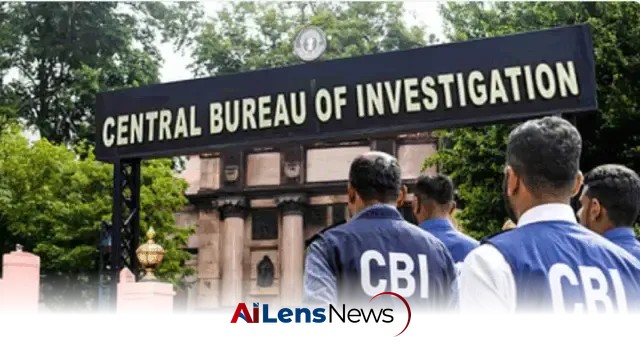


The CBI has launched a significant operation against Gupta Power Infrastructure Ltd, investigating a Rs 1109 crore bank fraud across four states.
New Delhi, India Jul 19, 2026 ALN: Bhubaneswar: The Central Bureau of Investigation (CBI) has intensified its efforts in tackling financial fraud by conducting extensive raids on Gupta Power Infrastructure Ltd, a company based in Bhubaneswar, Odisha. This operation is part of a broader investigation into a significant bank fraud case involving an alleged amount of Rs 1109 crore. The CBI's actions reflect a growing concern over financial misconduct and the need for stringent regulatory oversight in the banking sector.
The raids took place on a Saturday, targeting six locations across four Indian states—Odisha, West Bengal, Tamil Nadu, and Uttarakhand. Such multi-state operations highlight the complexity and scale of the investigation, suggesting that the alleged fraudulent activities may have far-reaching implications across different regions. The CBI's official statement confirmed these operations were conducted under search warrants issued by the Court of the Special Judge, CBI, in Bhubaneswar.
The investigation centers around allegations that Gupta Power Infrastructure Ltd engaged in fraudulent practices to defraud Canara Bank by manipulating financial data. Specifically, it is alleged that the company inflated the value of its stocks and trade receivables, falsified financial statements, and diverted loan funds. The term "evergreening of accounts" is particularly significant in this context; it refers to the practice of extending the repayment period of loans to avoid default, which can lead to misleading portrayals of a company's financial health.
The CBI's search operations included not only the company's manufacturing unit in Bhubaneswar but also the residential premises of four directors associated with Gupta Power Infrastructure Ltd. This suggests that the investigation is not only targeting the company itself but also the individuals who may have played key roles in the alleged fraudulent activities. Additionally, the registered office of the company in Kolkata, West Bengal, and three manufacturing units located in Kashipur (Uttarakhand), Tiruvallur (Tamil Nadu), and Bhubaneswar (Odisha) were also searched, indicating a thorough approach to uncovering evidence.
During these searches, the CBI reportedly seized various incriminating documents, which could provide critical evidence in the ongoing investigation. The agency has emphasized that the investigation is still active, indicating that further developments may arise as more information comes to light.
The backdrop of this investigation is particularly noteworthy. Earlier this year, several state-owned banks, including Punjab National Bank (PNB) and Bank of India (BOI), reported alleged fraud by Gupta Power Infrastructure Ltd to the Reserve Bank of India (RBI). PNB reported a fraud amounting to Rs 270.57 crore, while BOI indicated a fraud of Rs 226.84 crore. These reports were associated with the companies being classified as Non-Performing Assets (NPAs), which is a term used to describe loans that are in default or close to being in default.
In the case of PNB, the loan was reportedly issued by the Station Square branch in Bhubaneswar, and the bank had already made provisions of Rs 270.57 crore in accordance with prescribed prudential norms. Similarly, BOI had made provisions amounting to Rs 212.62 crore against the outstanding amount of Rs 226.84 crore. The classification of these loans as NPAs and the subsequent reporting of fraud to the RBI underscore the severity of the situation and the potential risks posed to the financial system.
The implications of this investigation extend beyond Gupta Power Infrastructure Ltd. It raises important questions about the oversight mechanisms in place within the banking sector and the effectiveness of regulatory bodies in preventing fraud. The CBI's proactive approach may serve as a deterrent to other companies that might consider engaging in similar fraudulent activities. Furthermore, it highlights the need for banks to conduct thorough due diligence and maintain stringent credit assessment processes to mitigate the risk of fraud.
Additionally, the case may prompt discussions regarding the corporate governance practices within companies like Gupta Power Infrastructure Ltd. Effective governance structures are essential for ensuring transparency and accountability, particularly in financial reporting. Companies must prioritize ethical practices and compliance with regulatory requirements to build trust with stakeholders, including investors, customers, and regulatory authorities.
As the CBI continues its investigation, the outcomes could have significant repercussions for the individuals involved and the broader financial landscape in India. The case serves as a reminder of the importance of integrity in business operations and the need for robust systems to detect and prevent financial misconduct. Stakeholders will be closely watching how this investigation unfolds and what measures may be taken to address the issues identified.
In conclusion, the CBI's raids on Gupta Power Infrastructure Ltd represent a critical step in addressing financial fraud within the banking sector. As the investigation progresses, it will be essential to examine the findings and implement necessary reforms to safeguard the integrity of financial institutions and protect the interests of the public and investors alike. The case underscores the ongoing challenges faced by regulators and law enforcement in combating financial crimes and ensuring accountability in corporate governance.
The investigation into Gupta Power Infrastructure Ltd is part of a larger trend in India, where financial fraud has been a persistent issue for both public and private sector banks. The rise of Non-Performing Assets (NPAs) in Indian banks has raised alarms among regulators and policymakers, prompting calls for stricter regulations and better governance practices. The Reserve Bank of India has been actively working to address these issues by enhancing its supervisory framework and conducting regular audits of banks to identify potential risks.
In recent years, high-profile cases of financial fraud have underscored the vulnerabilities within the banking sector. The infamous Punjab National Bank scam, which involved fraudulent transactions worth thousands of crores, has highlighted the need for more robust internal controls within banks. In response, banks have been urged to strengthen their risk management practices and improve their credit assessment processes to prevent similar incidents in the future.
The Gupta Power Infrastructure Ltd case also raises concerns about the role of auditors and financial consultants in the corporate sector. Independent auditors are tasked with providing an objective assessment of a company's financial health, and any failure on their part to detect fraudulent activities can have severe consequences. This has led to calls for more stringent regulations governing the auditing profession, including better training and oversight to ensure that auditors can effectively identify and report potential fraud.
Moreover, the case may prompt a re-evaluation of the relationship between banks and their corporate clients. Banks need to exercise due diligence when extending credit to companies, ensuring that they have a thorough understanding of their financial health and business practices. This includes scrutinizing financial statements and engaging in regular communication with clients to detect any discrepancies or red flags.
As the CBI investigation unfolds, it will be crucial for all stakeholders, including regulatory bodies, banks, and corporate entities, to collaborate in addressing the root causes of financial fraud. This may involve implementing new technologies to detect fraud more effectively, enhancing transparency in financial reporting, and fostering a culture of ethical behavior within organizations.
Ultimately, the Gupta Power Infrastructure Ltd case serves as a critical reminder of the importance of vigilance and accountability in the financial sector. As the investigation progresses, it will be essential to monitor the developments closely and assess the broader implications for corporate governance and regulatory practices in India.
To learn more about the latest developments in Crime & Law, stay updated with our exclusive reports and analyses on AiLensNews.

