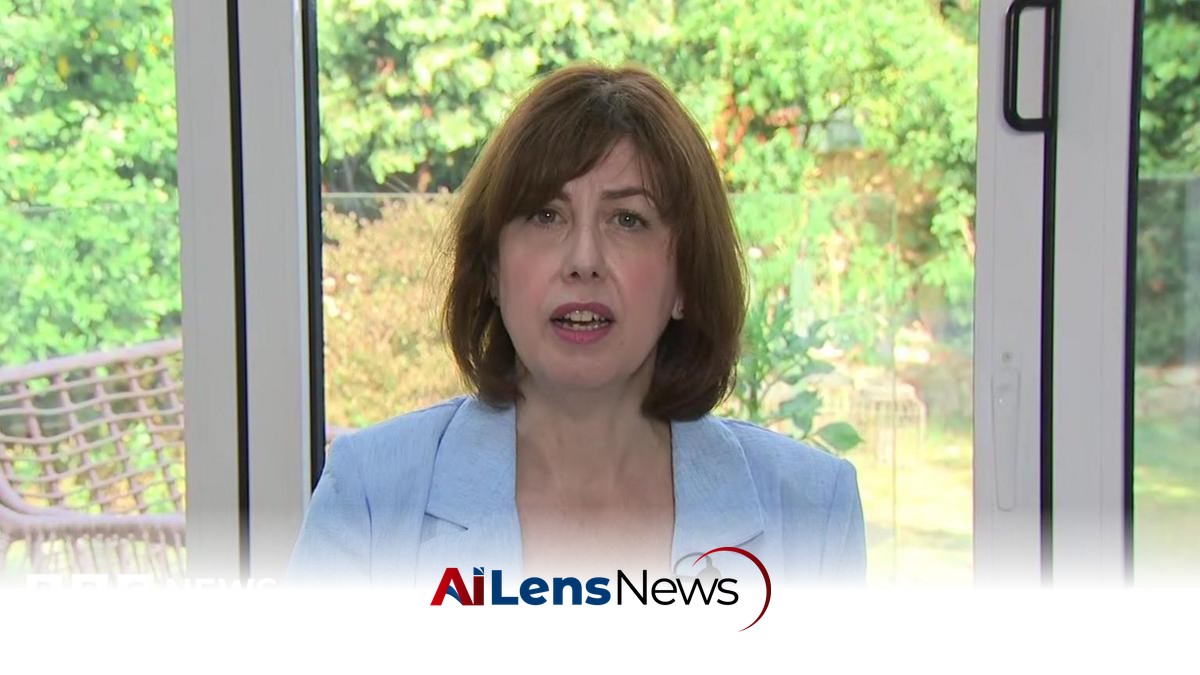


Labour's deputy leader Lucy Powell emphasizes that Andy Burnham will adhere to the party's manifesto while adopting a bolder approach as he prepares to become prime minister.
New Delhi, India Jul 19, 2026 ALN: Andy Burnham will stand by promises made in Labour's 2024 election manifesto but will be bolder and more ambitious, Labour's deputy leader Lucy Powell has said.
Speaking to the BBC's Sunday with Laura Kuenssberg, Powell stated that Burnham's leadership would be a moment for "clearing the decks of all the other things that might distract" from pressing issues like the cost of living and the economy. This statement underscores a critical moment for the Labour Party as it seeks to address the pressing needs of the populace while navigating the complexities of governance.
Burnham is set to replace Sir Keir Starmer as prime minister on Monday, following a meeting with King Charles III. This transition marks a significant shift in leadership for the Labour Party and raises questions about the direction in which the party will head under Burnham's stewardship. Historically, Labour has faced challenges in maintaining its core principles while adapting to the changing political landscape, a balancing act that Burnham will need to master.
In response to Burnham's impending leadership, Conservative leader Kemi Badenoch criticized him as a "people pleaser," suggesting that the country needs a leader capable of making tough decisions. Badenoch's remarks reflect a broader critique often levied against political leaders who prioritize popularity over policy. "The job is not a popularity contest. It is about making the lives of all of the people outside this building better. And he has not said what he's going to do. It's all airy-fairy stuff," Badenoch remarked, highlighting the skepticism that often accompanies new leadership.
Burnham was officially declared the new Labour Party leader on Friday after a short contest in which he was the only candidate, securing the backing of 379 MPs. His unopposed candidacy indicates a strong level of support within the party, yet it also raises questions about the party's democratic processes and whether there was a robust enough debate regarding its future direction.
Some opposition parties have urged Burnham to call a general election to ensure he has a mandate for his premiership. This call for a general election is significant as it reflects the ongoing tension in British politics regarding legitimacy and representation. However, Powell insisted that Burnham would adhere to the promises made in Labour's manifesto for the 2024 general election, reinforcing the party's commitment to its foundational principles even as it faces external pressures.
"Our manifesto did talk about the redistribution of power, it did talk about the rewiring of our country, it did talk about taking on some of those vested interests," she explained. This commitment to the manifesto serves as a reminder of Labour's historical focus on social justice and equity, themes that resonate deeply with its base. The notion of redistributing power is particularly salient in a political climate where economic disparities have widened and public trust in institutions has waned.
Powell emphasized that Burnham understands the bigger, bolder measures needed to fulfill the manifesto promises. This assertion hints at a potential shift in Labour's approach to governance, one that may prioritize more aggressive reforms aimed at addressing systemic issues within British society.
She also mentioned that his leadership presents an opportunity to "reset" priorities, citing the scrapping of the Digital ID scheme as a small example of reprioritizing. The Digital ID scheme, which had been part of the previous administration's agenda, faced criticism for its potential implications on privacy and civil liberties. By abandoning this initiative, Burnham signals a willingness to reassess policies that may not align with the current needs of the population.
In one of his first announcements since becoming Labour leader, Burnham indicated that he would abandon the plan announced by Sir Keir last year. This move suggests a potential pivot in policy direction, reflecting Burnham's desire to establish his own leadership style and priorities. Powell noted that the scheme would have cost a "not insignificant amount of money" and would have diverted attention from the government's priorities, emphasizing the need for fiscal responsibility in a time of economic uncertainty.
Additionally, the BBC has reported that Burnham's government will unveil plans for new oil and gas drilling in the North Sea. Powell stated that Burnham would be "pragmatic" regarding this issue, adding, "I don't think it's a change of policy. It's more a change of emphasis." This statement reveals the complexities involved in energy policy, particularly in a time when climate change and environmental sustainability are at the forefront of public discourse. Balancing economic growth with environmental responsibility will be a significant challenge for Burnham's administration.
The announcement is expected to be part of a broader package of measures, including plans to bring water and energy companies under public control and initiate a new council house-building program. This approach aligns with Burnham's previous calls for "greater public control" of essential services, reflecting a growing sentiment among the electorate that privatization has not served the public interest effectively.
Burnham has previously expressed a desire for "greater public control" of the water and energy sectors and has called for Thames Water to be nationalized. This push for public ownership raises important questions about the role of government in managing critical infrastructure and services, particularly in light of recent crises in the water and energy sectors that have highlighted the vulnerabilities of privatized systems.
In her interview, Powell also advocated for increased public ownership, arguing that the economy has been "overly privatized" and that essential services do not operate in the interest of ordinary people. Her comments reflect a broader critique of neoliberal economic policies that have dominated British politics for decades, suggesting a potential ideological shift within the Labour Party towards more interventionist and socially responsible governance.
She pointed out that bills are "going up and up because they are run in the interests of private interests, not for the consumers or for taxpayers." This sentiment resonates with many voters who feel that the current economic system disproportionately benefits corporations and wealthy individuals at the expense of everyday citizens.
Conversely, former Conservative minister Jacob Rees-Mogg argued that the water industry requires private capital or taxpayer funding, stating, "no other money is available." This perspective underscores the ongoing debate about the viability of public versus private management of essential services, a discussion that is likely to intensify under Burnham's leadership.
Although it has been clear for weeks that Burnham would become the UK's next prime minister, he will not formally assume the role until Monday. Sir Keir is expected to offer his resignation to King Charles before Burnham is invited to form a new government. This transition period is critical as it allows for the establishment of a new cabinet and the setting of a new agenda.
Burnham will then head to Downing Street, where he is likely to deliver a speech outside No 10. This moment will serve as a symbolic beginning to his premiership, providing an opportunity to outline his vision for the country and to connect with the public at a time of significant uncertainty.
One of his immediate tasks will be to appoint individuals to key ministerial roles. The selection of ministers will play a crucial role in shaping Burnham's policy direction and governance style, as the effectiveness of his administration will depend heavily on the capabilities and alignment of his cabinet members.
Speculation has been rife regarding who will fill these positions, particularly the crucial role of chancellor. Energy Secretary Ed Miliband initially appeared to be the frontrunner, but Home Secretary Shabana Mahmood has recently emerged as a potential candidate to replace Rachel Reeves at the Treasury. The appointment of the chancellor is particularly significant given the current economic challenges facing the UK, including inflation and public spending pressures.
As Burnham prepares to take on his new responsibilities, the political landscape remains charged with anticipation regarding his leadership style and policy direction. The decisions he makes in the coming weeks and months will not only shape the future of the Labour Party but also have far-reaching implications for the UK as a whole, influencing the lives of millions of citizens.
To learn more about the latest developments in Politics, stay updated with our exclusive reports and analyses on AiLensNews.

