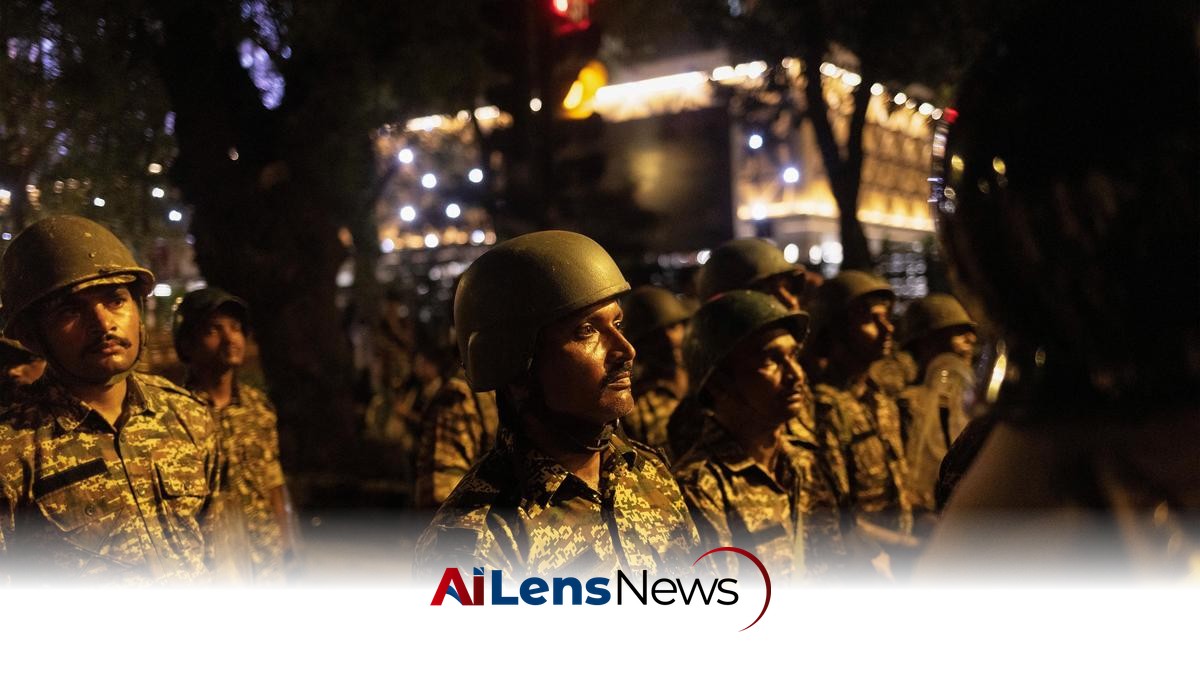


The BJP defends police actions during recent protests, while the opposition demands accountability for alleged misconduct, highlighting a significant political divide.
New Delhi, India Jul 23, 2026 ALN: The ongoing tension between the Bharatiya Janata Party (BJP) and various opposition parties in India has escalated following recent protests organized by the Cockroach Janta Party (CJP). The protests were primarily in response to allegations surrounding a leak of the Eligibility cum Entrance Test (NEET) examination papers, which has raised significant concerns among students and their families about the integrity of the examination process and the future of medical education in the country.
On Wednesday, BJP leaders defended the actions taken by the central government during the protests, asserting that the authorities acted with “sensitivity” and were open to dialogue with the protesting groups. Bansuri Swaraj, a Member of Parliament and a prominent BJP leader, emphasized that the government’s primary concern is the safety and well-being of students. She stated, “A safe future for children is the top priority of the [Narendra] Modi government.” This statement reflects the BJP's broader narrative, which positions them as the protectors of student interests amid rising educational anxieties.
In her address, Ms. Swaraj pointed out the government's swift response to the NEET paper leak allegations, which have sparked outrage and protests across various student communities. She noted that the government had acted promptly upon receiving credible information regarding the potential compromise of the examination, indicating a proactive approach to maintaining the examination's integrity. This assertion is critical as it seeks to reassure the public and students that the government is taking necessary steps to address their concerns.
Furthermore, Ms. Swaraj highlighted the injuries sustained by police personnel during the protests, claiming that around 118 police officers were injured while managing the demonstrations. She urged anyone with evidence of police misconduct to cooperate with ongoing investigations, framing the narrative that police officers, too, are citizens deserving of sympathy and support. This statement aims to humanize law enforcement officials and counteract claims of excessive force used against protesters.
The situation escalated further when Parvesh Sahib Singh, another BJP leader and Delhi Minister, characterized the protest as “not peaceful,” labeling the organizers as responsible for what he termed “outright lawlessness.” His comments were supported by a video he shared on social media, which purportedly showed a mob assaulting a member of the Rapid Action Force (RAF). Singh’s statements and the video evidence were used to bolster the BJP’s argument that the protests had devolved into violence, undermining the legitimacy of the protesters' claims and framing them as a threat to public safety.
In stark contrast, the opposition parties, particularly the Aam Aadmi Party (AAP), have vehemently criticized the police's actions during the protests. AAP leaders have called for accountability from the Delhi Police, accusing them of using excessive force against peaceful demonstrators. They allege that several instances of police brutality were documented, including senior officers physically assaulting women protesters. Delhi AAP chief Saurabh Bharadwaj pointed out that despite the availability of video evidence showing these incidents, no formal investigations or actions, such as filing FIRs or suspending officers, have been initiated. This lack of accountability has fueled further discontent among opposition parties and their supporters, who view it as indicative of a broader issue of impunity within law enforcement.
Congress, another major opposition party, has also joined the fray, demanding accountability from the BJP government, particularly focusing on the resignation of Union Education Minister Dharmendra Pradhan over the NEET paper leak scandal. The Delhi Congress president, Devender Yadav, led a demonstration at the BJP headquarters, emphasizing the need for transparency and integrity in the education system. The Congress party's protests not only reflect their opposition to the BJP's handling of the situation but also aim to galvanize support among students and parents who are concerned about the future of education in India.
The protests have also been complicated by the detention of prominent opposition leader Rahul Gandhi during a separate demonstration outside the Prime Minister’s residence, which has drawn widespread condemnation from Congress supporters. Yadav stated, “Each Congress worker is standing with Rahul Gandhi in his fight to protect the future of students,” highlighting the unity among opposition parties in demanding accountability from the government.
These events underscore a significant moment in Indian politics, where issues of educational integrity, police conduct, and governmental accountability converge. The protests and the subsequent responses from both the ruling party and the opposition reflect not only the immediate concerns regarding the NEET examination but also broader issues of governance, civil rights, and the relationship between the state and its citizens.
The implications of these clashes extend beyond the immediate context of the protests. They highlight a growing divide between the ruling party and opposition factions, with each side using the incident to reinforce its political narrative. For the BJP, portraying the opposition as responsible for inciting violence serves to consolidate their base by appealing to voters who prioritize law and order. Conversely, for opposition parties, framing the government’s response as heavy-handed and repressive may resonate with constituents who are increasingly frustrated with the perceived erosion of civil liberties.
As the situation develops, it remains to be seen how both the government and opposition will navigate this contentious landscape. The potential for further protests and political mobilization among student groups could lead to increased scrutiny of the government's policies and actions, particularly in the realm of education. Furthermore, the public's response to the handling of the protests and the subsequent political fallout will likely influence future electoral dynamics as India approaches its next general elections.
To learn more about the latest developments in Crime & Law, stay updated with our exclusive reports and analyses on AiLensNews.

