

Gita Upadhyay, a prominent educationist and writer, passed away at 87. Her contributions to the Gorkha community and Assamese literature are widely recognized.
Dispur, India Jul 15, 2026 ALN: Tezpur: Padma Shri Gita Upadhyay, a noted educationist, writer, and founder president of the Bharatiya Gorkha Parisangh (BGP) Assam State Committee, died at her residence in Chandmari, Tezpur, on Monday night. She was 87.
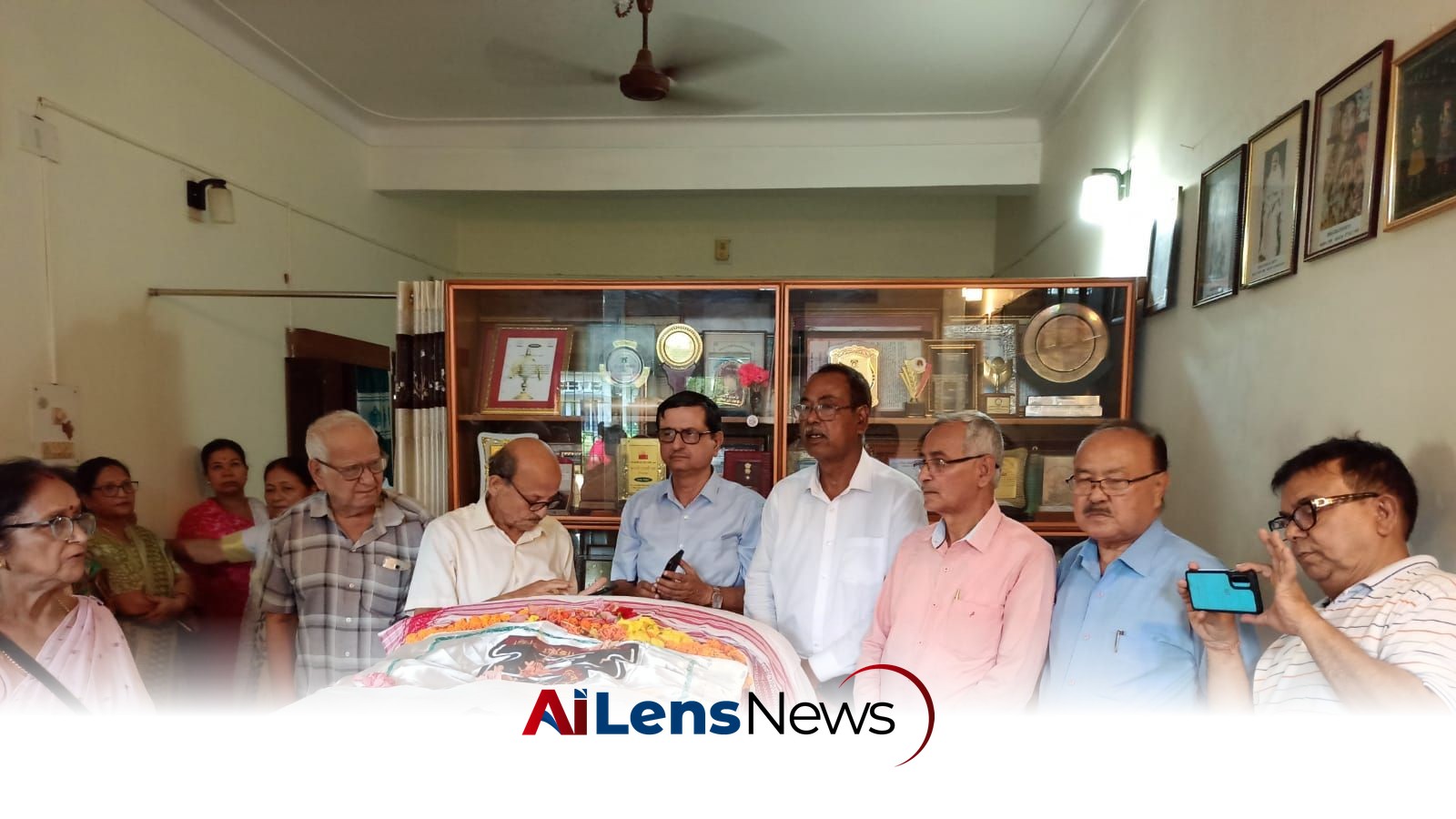
According to the BGP, Upadhyay passed away at around 9:10 pm due to age-related ailments. A delegation from the organization, led by working president Thandi Newar, visited her residence to pay tribute and offer condolences to her family. The delegation draped the BGP flag over her glass casket and observed a minute’s silence. Speakers recalled her pivotal role in establishing and expanding the organization, as well as her significant contributions to the Indian Gorkha community.
Born on February 14, 1939, in Gangmouthan, which is now part of Biswanath district, Upadhyay was the granddaughter of freedom fighter Babu Chabilal Upadhyaya, the first elected president of the Assam Congress Committee. Her lineage is emblematic of a family deeply rooted in the struggle for Indian independence, and her upbringing was undoubtedly influenced by the political and social ideologies of her grandfather. This background propelled her into a life dedicated to education and social upliftment, particularly for the Gorkha community in Assam.
Upadhyay's educational journey was marked by determination and resilience. She pursued her studies during a time when access to education for women, especially in regional communities, was often limited. Overcoming these challenges, she became the first woman from Assam’s Gorkha community to obtain a postgraduate degree. This achievement was not only a personal milestone but also a significant step forward for women's education in her community, inspiring many young girls to pursue their academic ambitions.
Her professional career culminated in her role as the head of the Department of Political Science at Sibsagar College, a prominent institution in Assam. Her academic career was marked by a commitment to fostering critical thinking and engagement among her students. She emphasized the importance of understanding political systems and encouraged her students to think independently and engage actively in societal issues. Her influence extended beyond the classroom, as she became a mentor to many aspiring educators and leaders.
In addition to her contributions as an educator, Upadhyay was recognized for her literary talents. She received the Sahitya Akademi Translation Prize in 2012 for translating the Assamese classic Karengor Ligiri into Gorkha as Darbarki Susare. This work was significant in bridging linguistic and cultural divides, ensuring that important literary works could reach a broader audience. Through her translations, she played a vital role in promoting Gorkha literature and culture, making it accessible to those who might not have been familiar with the language.
Her literary prowess was further acknowledged when she was awarded the Sahitya Akademi Award in 2016 for her Gorkha-language novel Janmabhumi Mero Swadesh, which is based on the life and struggles of her grandfather. This novel not only reflects her literary talent but also serves as a testament to her commitment to preserving and promoting Gorkha culture and history. By weaving personal narratives with broader historical themes, Upadhyay's writing resonates with many, offering insights into the complexities of identity and belonging within the Gorkha community.
The Government of India conferred the Padma Shri on her in 2025, recognizing her invaluable contributions to literature and education. The Padma Shri is one of the highest civilian awards in India, awarded to individuals for their exceptional and distinguished service in various fields. Earlier this year, she was also honored with the Sati Sadhani Literary Award by the Assam government, further solidifying her legacy as a significant figure in the literary landscape of the region. In 2024, the BGP recognized her contributions with the Rashtriya Gorkha Gaurav Samman, an acknowledgment of her lifelong dedication to the Gorkha community.
Chief Minister Himanta Biswa Sarma expressed his grief over her passing, describing her as a distinguished educationist and eminent litterateur who enriched both Assamese and Nepali literature. His remarks highlight the impact of her work beyond the Gorkha community, emphasizing her role in the broader literary and educational spheres of Assam. The Chief Minister's acknowledgment also reflects the government's recognition of the importance of cultural figures like Upadhyay in fostering unity and understanding among diverse communities in the region.
BGP Assam State Committee general secretary Nanda Kirati Dewan announced a week-long mourning period in her honor, indicating the profound loss felt within the organization and the community. Mourning periods are significant in many cultures, serving as a time for reflection, remembrance, and honoring the contributions of the deceased. This decision underscores Upadhyay's importance not only as a leader but also as a beloved figure among her peers and community members.
The Sonitpur district administration stated that her last rites would be conducted with full state honors in Tezpur on Wednesday morning. State honors for last rites are typically reserved for individuals who have made significant contributions to society, reflecting the respect and esteem in which they are held. This gesture further illustrates the high regard in which Upadhyay was held by both the government and the community.
Upadhyay's passing marks the end of an era for the Gorkha community in Assam and for those who knew her as a mentor, leader, and advocate for education and cultural preservation. Her legacy will undoubtedly continue to inspire future generations of educators, writers, and community leaders. As tributes continue to pour in from various sectors of society, it is clear that her contributions will not be forgotten, and her influence will persist in the ongoing efforts to uplift and empower the Gorkha community and beyond.
In the broader context, Upadhyay's life and work highlight the importance of education and cultural identity in a diverse nation like India. Her achievements serve as a reminder of the potential for individuals to effect change within their communities through dedication to education and cultural preservation. As discussions around educational equity and cultural representation continue to evolve in India, Upadhyay's legacy will serve as a guiding light for many who seek to follow in her footsteps.
Her commitment to education was not only limited to her own professional achievements but also extended to her involvement in various community initiatives aimed at promoting literacy and empowerment among the Gorkha population. Upadhyay was instrumental in organizing workshops and seminars that focused on educational advancement and cultural awareness, fostering a sense of pride and identity among the Gorkha youth. Her efforts contributed significantly to the revitalization of Gorkha culture and the promotion of its values in a rapidly changing society.
Furthermore, Upadhyay's advocacy for women's rights and education was a crucial aspect of her legacy. She believed in the transformative power of education for women and girls, and actively worked to create opportunities for them within her community. By encouraging young women to pursue their educational goals, she helped to challenge traditional gender roles and promote gender equality. Her unwavering support for women's empowerment has left an indelible mark on the lives of many, inspiring them to break barriers and pursue their dreams.
As the Gorkha community mourns her loss, it is essential to reflect on the values she championed throughout her life—education, cultural preservation, and social equity. In a time when the voices of marginalized communities often struggle to be heard, Upadhyay's legacy serves as a reminder of the importance of advocacy and representation. Her life story is a powerful testament to the impact one individual can have on the lives of many, and her contributions will continue to resonate in the hearts and minds of those she inspired.
In conclusion, Gita Upadhyay's passing is not just the loss of a remarkable individual but also a significant moment for the Gorkha community and the broader landscape of Indian literature and education. As tributes and condolences continue to pour in, it is evident that her life’s work has left an enduring legacy that will inspire future generations to strive for excellence in education, cultural pride, and social justice.
To learn more about the latest developments in Local & Regional, stay updated with our exclusive reports and analyses on AiLensNews.

