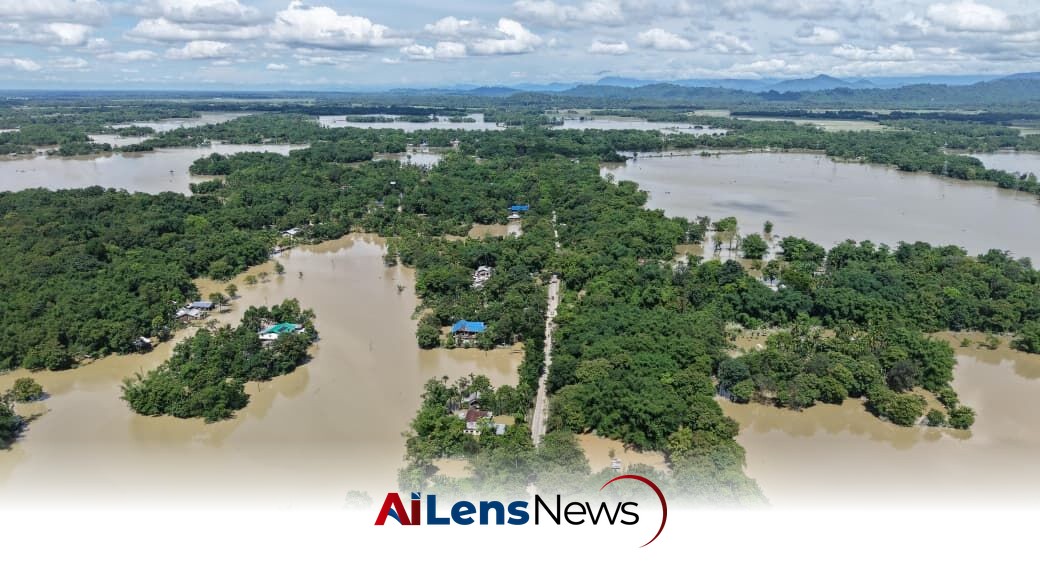


Union Minister Pabitra Margherita reports over 60 deaths and 12 lakh affected by devastating floods, emphasizing the urgent need for disease prevention and rehabilitation efforts.
Dispur, India Jul 26, 2026 ALN: The recent floods that have devastated parts of Assam, particularly in the Nazira region near Nagaland, have highlighted significant challenges in disaster management and disease prevention. Union Minister Pabitra Margherita, who has been actively involved in relief efforts, shared insights into the ongoing situation and the steps being taken to address the aftermath of this natural disaster.
According to Margherita, the floods have claimed over 60 lives, and the search for eight missing individuals is ongoing. This tragic loss of life underscores the severity of the floods, which have been described as one of the worst disasters in the region's recent history. The impact has been widespread, with more than 30,000 people rescued from the worst-affected areas, while over 2,000 villages and more than 1.2 million individuals have been affected by the deluge.
The floods have caught many residents off guard, particularly in areas that were not previously considered flood-prone. The heavy rainfall in Nagaland led to sudden flash floods, resulting in significant damage to infrastructure and homes. The shock experienced by the local population is palpable, as communities grapple with the reality of their losses and the disruption of their daily lives. The devastation has not only displaced families but has also disrupted local economies, education, and healthcare services, compounding the challenges faced by the affected populations.
In the wake of the floods, Union Minister Margherita has pointed out that the immediate threat now lies in the potential outbreak of diseases. Flooding often leads to unsanitary conditions, which can facilitate the spread of waterborne diseases and other health issues. To combat this threat, the health department is working tirelessly, with public representatives actively engaging in the field to monitor the situation and provide necessary support. This proactive approach is essential to mitigate the health risks that arise following such disasters, where the sanitation infrastructure can be severely compromised.
On July 24, Margherita coordinated the delivery of 10,000 kg of bleaching powder and 7,500 liters of phenyl to affected areas. These materials are crucial for disinfecting water supplies and living spaces, thereby reducing the risk of disease outbreaks. The response from local organizations has also been commendable, with many stepping in to provide essential relief, including cooked meals for those displaced by the floods. This community response is vital in disaster situations, as local organizations often have a better understanding of the needs and dynamics of their communities.
Despite the efforts, Margherita acknowledged that there were initial challenges in reaching some of the more remote villages. Many areas were inaccessible by vehicle or boat, necessitating the airdrop of food supplies to ensure that residents received timely assistance. This logistical challenge highlights the complexities involved in disaster response, particularly in regions with difficult terrain and limited infrastructure. These challenges not only delay the delivery of aid but can also exacerbate the suffering of those affected, making it imperative for disaster response plans to include strategies for accessing hard-to-reach areas.
As the water levels recede, the ongoing suffering of the affected populations remains a pressing concern. Government agencies are actively assessing the damage and determining the needs of the communities. Margherita noted that there is a continuing demand for essential items such as clothing, educational materials for students, mosquito nets, and repellents, all of which are critical for the health and well-being of those displaced by the floods. The need for educational materials is particularly urgent, as the disruption of schooling can have long-term implications for children's education and development.
The government is also looking into long-term solutions for resettlement and recovery. As outlined in the disaster management manual, officials are evaluating what resources and support can be provided to assist individuals in rebuilding their lives. This includes not only immediate relief but also comprehensive plans to restore livelihoods and infrastructure. The focus on long-term recovery is crucial, as it ensures that communities are not only restored to their pre-disaster state but are also better equipped to handle future emergencies.
The agriculture department is particularly focused on developing schemes for farmers who have lost their crops due to the floods. Agriculture is a vital part of the local economy, and the loss of crops can have long-lasting effects on food security and the livelihoods of farming families. Margherita emphasized the need for both short-term and long-term measures to facilitate the resettlement and recovery of affected individuals, ensuring that they can return to normalcy as quickly as possible. This includes providing financial assistance, crop insurance, and training programs to help farmers adapt to changing climatic conditions.
The implications of this disaster extend beyond immediate relief efforts. It raises important questions about disaster preparedness and response in regions that may not have previously faced such severe weather events. The floods serve as a stark reminder of the increasing frequency and intensity of extreme weather patterns, which are often linked to climate change. As communities rebuild, there may be a critical opportunity to reassess and improve disaster management strategies, infrastructure resilience, and community preparedness to better handle future emergencies. This could involve investing in better drainage systems, flood barriers, and early warning systems that can provide timely alerts to residents in vulnerable areas.
In conclusion, the floods in Assam have exposed vulnerabilities in both the physical infrastructure and the health systems of the affected regions. The Union Minister's commitment to addressing disease prevention and supporting recovery efforts is crucial in the wake of this disaster. As relief efforts continue, the focus will need to remain on not only providing immediate assistance but also on implementing sustainable solutions that will help communities adapt to and mitigate the impacts of future disasters. The lessons learned from this disaster can inform future policies and practices, ensuring that communities are better prepared for the challenges that lie ahead.
To learn more about the latest developments in Health & Public Safety, stay updated with our exclusive reports and analyses on AiLensNews.

