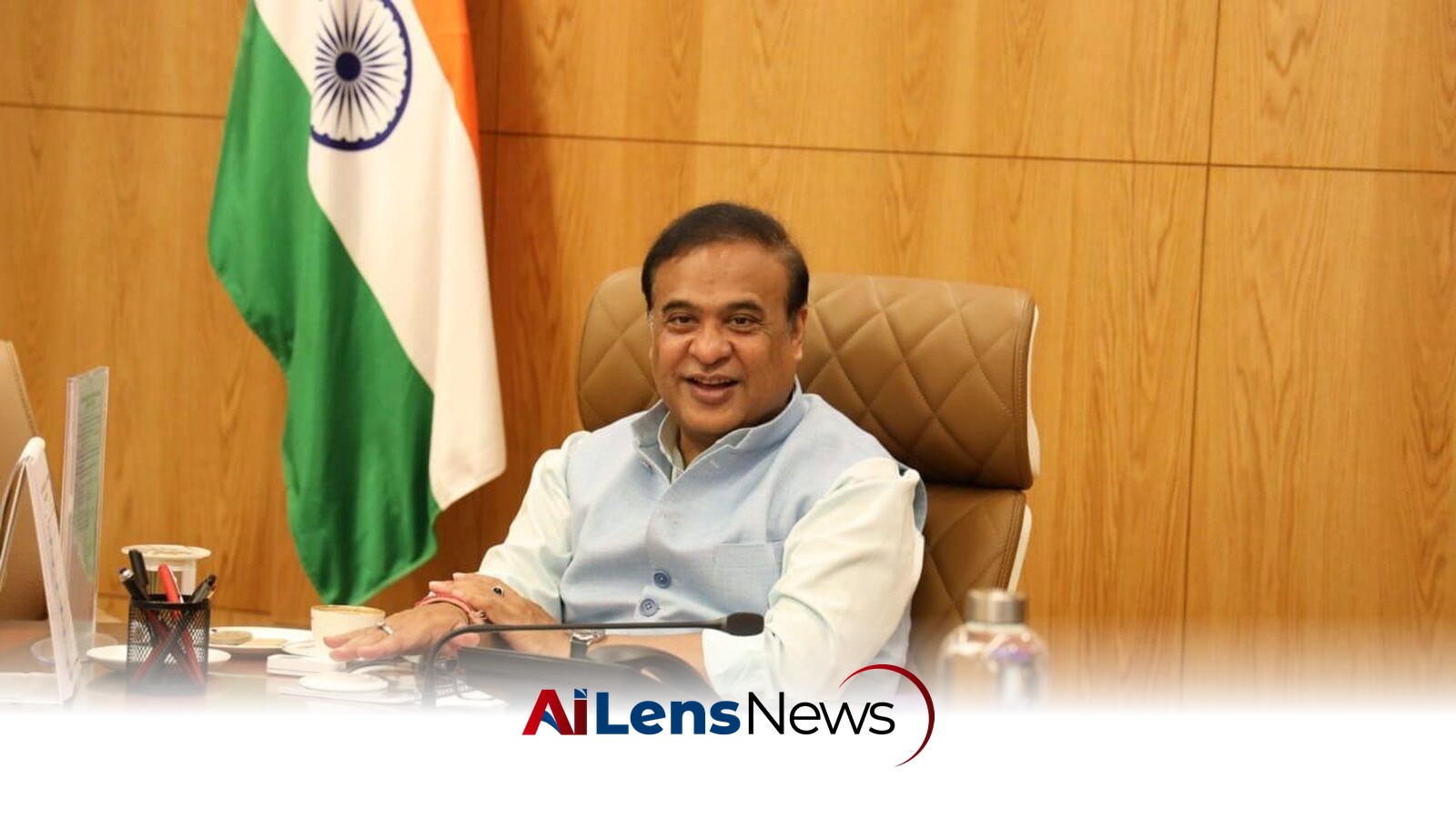


The Assam government has initiated the Kamakhya Temple corridor project and announced various heritage conservation initiatives, as CM Sarma outlines future plans.
Dispur, India Jul 16, 2026 ALN: The Assam government on Thursday unveiled a series of initiatives covering infrastructure and tourism, including the commencement of work on the Rs 500-crore Kamakhya Temple corridor and new heritage conservation projects. These initiatives reflect the state government's commitment to enhancing the cultural and historical significance of Assam while boosting local tourism and infrastructure development.
The Kamakhya Temple, located on the Nilachal Hill in Guwahati, is one of the most revered Shakti Peethas in India and attracts thousands of pilgrims and tourists every year. The temple is dedicated to the goddess Kamakhya, who is considered a manifestation of Shakti, the divine feminine energy. The commencement of the temple corridor project aims to improve accessibility and amenities for visitors, thereby enhancing their overall experience. The project had faced legal hurdles in the Gauhati High Court, but these issues have now been resolved, allowing work to officially begin.
Prime Minister Narendra Modi laid the foundation stone for the Kamakhya Temple corridor project in 2024, underscoring the national significance of the initiative. The corridor is expected to feature various facilities, including waiting areas, food stalls, and improved pathways, which will facilitate the smooth movement of devotees and tourists. The project is also anticipated to create job opportunities for locals and boost the economy of the surrounding areas.
In addition to the Kamakhya Temple corridor, Chief Minister Himanta Biswa Sarma announced plans to develop Madhupur Satra in Cooch Behar, West Bengal, with an estimated investment of Rs 25 crore. This initiative will be undertaken in consultation with the West Bengal government, highlighting the collaborative approach to regional development. Madhupur Satra is an important cultural and religious site associated with the Vaishnavism movement, and its development is expected to attract more visitors, further enriching the cultural tapestry of the region.
Furthermore, the Assam government plans to undertake the conservation and development of Kareng Ghar, a historical site that dates back to the Ahom dynasty. The Ahoms ruled Assam for nearly 600 years, and their historical contributions are significant to the region's identity. Chief Minister Sarma expressed his intention to visit Kareng Ghar soon, emphasizing the importance of preserving such heritage sites for future generations.
On the cultural front, Sarma mentioned his discussions with filmmaker Aditya Dhar, known for his work on the film Uri: The Surgical Strike, about producing a Hindi-language film on the legendary Ahom general Lachit Borphukan. This initiative aims to introduce the legacy of Lachit Borphukan, who is celebrated for his leadership in the Battle of Saraighat against the Mughal invasion in the 17th century, to a broader national and international audience. The director is expected to meet with Sarma in August to discuss the proposal further, which could serve as an important step in promoting Assam's rich history and culture through cinema.
In addition to these cultural and infrastructural developments, Sarma reiterated the government's plans to create hanging gardens on flyovers across Guwahati. This innovative initiative aims to enhance the aesthetics of the city while promoting environmental sustainability. If the project receives a positive public response, the government plans to expand this initiative to other parts of Assam, potentially setting a precedent for urban greening projects in other Indian cities.
Addressing the current flood situation in the state, Chief Minister Sarma noted that Assam is experiencing only moderate flooding at the moment. However, areas such as Dhemaji and Lakhimpur continue to face hardships due to the rising water levels. While no embankment breaches have been reported so far, erosion remains a significant concern, particularly in parts of the Chabua constituency. The Chief Minister has expressed his intention to visit Dibrugarh on August 1 or 2 to assess the erosion situation firsthand and discuss potential mitigation measures. Flooding and erosion are recurring issues in Assam, often exacerbated by seasonal monsoon rains, and addressing these challenges is crucial for the safety and well-being of residents.
In a bid to promote community engagement and enjoyment of sports, Sarma invited the public to watch the FIFA World Cup at the government's CM FIFA Football Parks set up in various locations, including Guwahati, Silchar, Jorhat, North Lakhimpur, and Dibrugarh. These parks are designed to provide a space for football enthusiasts to gather and enjoy the matches together. Additionally, restaurants and hotels have been permitted to remain open late, subject to necessary permissions, to accommodate fans wanting to watch the games. This initiative not only promotes sports culture but also supports local businesses during the tournament.
The announcements made by Chief Minister Sarma underline the Assam government’s multifaceted approach to development, which encompasses infrastructure, culture, tourism, and community engagement. The Kamakhya Temple corridor project, along with other heritage conservation efforts, aims to preserve and promote Assam's rich history while simultaneously boosting the local economy through increased tourism. The collaboration with West Bengal for the development of Madhupur Satra also exemplifies a regional approach to cultural heritage, fostering cooperation between neighboring states.
As the government moves forward with these initiatives, it will be important to monitor their implementation and impact on local communities, tourism, and the preservation of cultural heritage. The success of these projects could serve as a model for similar initiatives in other parts of India, where the balance between development and heritage conservation is often a complex challenge. The engagement with filmmakers and the promotion of sports events further indicate a recognition of the importance of cultural representation and community involvement in fostering a vibrant and inclusive society.
To learn more about the latest developments in Local & Regional, stay updated with our exclusive reports and analyses on AiLensNews.

