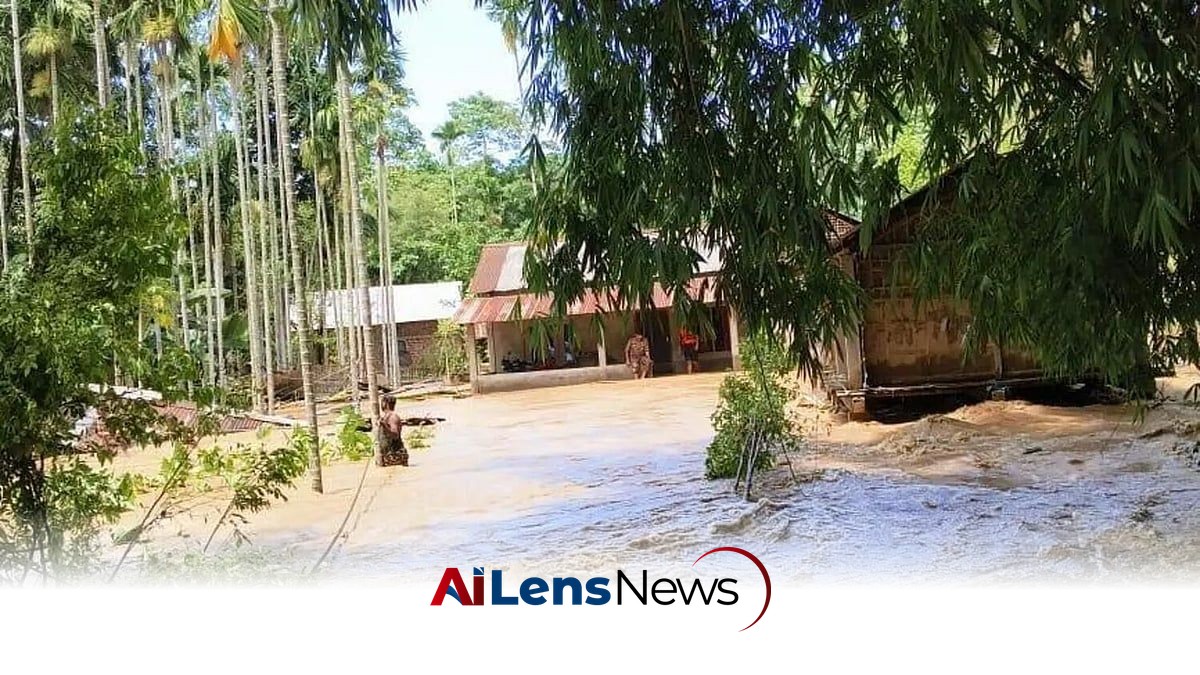


The All Assam Students’ Union has requested ONGC to provide funds for restoring educational infrastructure damaged by recent floods in Assam.
Dispur, India Jul 31, 2026 ALN: The All Assam Students’ Union (AASU) has made a formal appeal to the Oil and Natural Gas Corporation (ONGC) for the allocation of special funds aimed at the restoration and development of infrastructure in educational institutions that have been severely impacted by the recent catastrophic floods in the Sivasagar, Charaideo, and Jorhat districts. This appeal reflects a growing concern over the future of education in these regions, which have faced recurrent flooding issues that threaten the stability of academic activities.
The floods that struck these districts have been described as among the most devastating in recent memory, causing widespread destruction to both life and property. The impact on public infrastructure has been particularly alarming, with many government educational institutions suffering extensive damage. A significant number of school buildings have been inundated, leading to the destruction of essential facilities such as classrooms, libraries, and laboratories. The damage has raised serious concerns about the timely resumption of academic activities, which are critical for the students who have already faced disruptions due to previous flood events.
In a statement, AASU General Secretary Samiran Phukan emphasized the urgent need for financial assistance to rebuild and upgrade the infrastructure of these flood-hit educational institutions. He noted that the continuity of education is paramount, and without immediate intervention, students may face prolonged disruptions in their academic pursuits. The AASU's appeal highlights the broader implications of the floods on the educational landscape in Assam, where many students rely on government schools as their primary means of education.
In a letter addressed to the ONGC Executive Director Uday Paswan, Phukan outlined the dire situation and requested immediate financial support. The letter detailed the extent of the damage, including the number of institutions affected and the types of infrastructure that require urgent attention. By seeking ONGC's involvement, AASU aims to leverage the corporation's resources and commitment to corporate social responsibility, particularly in regions where they operate.
Phukan further revealed that during a telephonic conversation with Uday Paswan, the ONGC authorities expressed their willingness to cooperate positively regarding the matter. This assurance from ONGC is a crucial step, as it indicates a potential partnership that could lead to effective recovery efforts. The role of corporations like ONGC in disaster recovery has become increasingly important, especially in regions prone to natural calamities.
Assam has a long history of flooding, particularly during the monsoon season, which typically lasts from June to September. The Brahmaputra River, which flows through the state, often breaches its banks, leading to widespread inundation. The floods not only affect infrastructure but also have severe implications for agriculture, health, and the overall economy of the region. Educational institutions, being a vital component of community development, suffer significantly during such disasters, impacting the future of thousands of students.
The AASU's appeal comes at a time when the state government is also mobilizing resources for flood relief and recovery. Various departments, including the Dibrugarh Irrigation Department, have been leading flood relief missions in Sivasagar, providing immediate assistance to affected families and assessing damage to infrastructure. However, the scale of the disaster often overwhelms local capacities, necessitating support from larger organizations and corporations.
In addition to the physical damage, the psychological impact of such disasters on students cannot be overlooked. Many children experience trauma due to the loss of homes, friends, and a sense of security. The disruption of their education can lead to long-term consequences, affecting their academic performance and future opportunities. Therefore, it is imperative that educational institutions are restored promptly to provide not only a place of learning but also a safe environment for students to recover from the trauma of the floods.
The implications of ONGC's support could extend beyond just financial assistance. A successful partnership could set a precedent for future collaborations between corporate entities and educational institutions in Assam. This could lead to more sustainable development initiatives, focusing on building resilient infrastructure that can withstand the challenges posed by natural disasters. Furthermore, it could encourage other corporations to take similar actions, fostering a culture of corporate responsibility and community engagement.
As the situation develops, the AASU and other stakeholders will be closely monitoring the response from ONGC and the state government. The urgency of the matter cannot be overstated, as the academic year progresses and students await the restoration of their learning environments. It is crucial that all parties involved work collaboratively to ensure that the educational institutions in Assam are rebuilt and upgraded to meet the needs of the community, thus safeguarding the future of education in the region.
In Assam, the frequency and intensity of floods have been increasing due to climate change, which has altered weather patterns and exacerbated the vulnerability of the region. The state has experienced severe flooding in previous years as well, leading to the establishment of various disaster management protocols. However, the need for effective long-term solutions remains pressing. The AASU's appeal to ONGC can be viewed as part of a broader call for greater corporate involvement in disaster resilience and recovery efforts.
Moreover, educational institutions are not merely places for academic learning; they serve as community hubs that contribute to social cohesion and development. The destruction of schools and colleges can lead to a significant setback in community progress, particularly in rural areas where access to education is already limited. The restoration of these institutions is not just about rebuilding physical structures but also about restoring hope and opportunities for the future generations of Assam.
In light of these challenges, the role of organizations like ONGC becomes even more critical. Their involvement can catalyze broader initiatives that address not only the immediate needs of flood recovery but also the underlying vulnerabilities that lead to such disasters. This includes investing in infrastructure that is resilient to flooding, supporting educational programs that promote disaster preparedness, and engaging with local communities to build a culture of resilience.
Furthermore, the collaboration between AASU and ONGC could serve as a model for other states facing similar challenges. By showcasing successful partnerships in disaster recovery, it may encourage a shift in how corporate entities approach their social responsibilities, particularly in regions that are frequently impacted by natural disasters. Such collaborations can lead to innovative approaches in tackling the multifaceted issues that arise from flooding, including health, education, and economic stability.
As the AASU continues to advocate for the needs of students and educational institutions in Assam, their efforts underscore the importance of community engagement and corporate responsibility in addressing the challenges posed by natural disasters. The outcome of this appeal to ONGC will not only influence the immediate recovery efforts but also shape the future landscape of educational resilience in Assam, with potential implications for similar regions across the country.
To learn more about the latest developments in Crime & Law, stay updated with our exclusive reports and analyses on AiLensNews.

