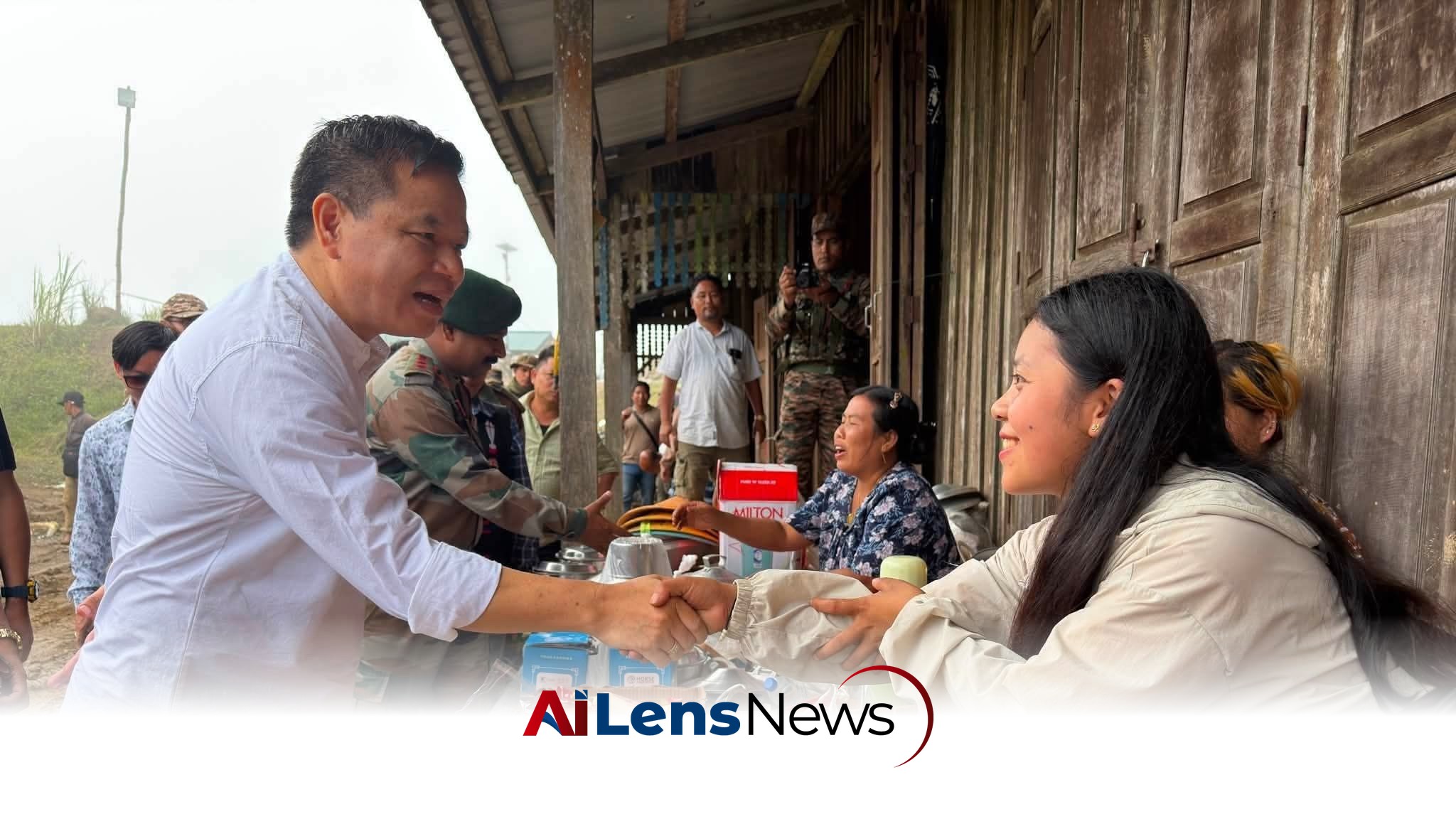


The historic Pangsau Pass Border Haat in Arunachal Pradesh resumed operations after six years, enhancing India-Myanmar relations and local commerce.
Itanagar, India Jul 21, 2026 ALN: Dibrugarh: After a gap of six years, the historic Pangsau Pass Border Haat at Nampong in Arunachal Pradesh’s Changlang district resumed operations on Monday, strengthening India-Myanmar relations and cross-border trade. The reopening of this market is not just a local event; it signifies a broader effort to enhance economic ties between India and its eastern neighbor, Myanmar, and to revitalize the socio-economic fabric of the border communities.
The market reopened on July 20, 2026, and will now operate three days every month — specifically on the 10th, 20th, and 30th. This structured schedule aims to facilitate consistent trade activities and allow local residents to plan their cross-border exchanges effectively. As stated by Nampong MLA Laisam Simai on his Facebook page, "Delighted to share that the Market at Border Haats, Pangsau Pass Nampong resumed after a gap of 6 (six) years today, the 20th July 2026. The market will be opened three days in a month, ie 10, 20 & 30, which will significantly boost border tourism, strengthen trade relations between the two countries and benefit the local people. Everyone is welcomed.”
For Indian citizens wishing to visit the market, access is facilitated through designated “India Days,” provided they possess the required Protected Area Permit (PAP) or other local permissions. This regulation is essential to maintain security and order at the border, ensuring that only eligible individuals partake in cross-border commerce. On the other hand, Fridays, known as “Burma Day,” allow Myanmarese villagers to cross into Nampong to shop on the Indian side, fostering a reciprocal exchange of goods and culture.
The trade had been suspended for the past six years primarily due to the Covid-19 pandemic, which severely impacted global and local economies, disrupted supply chains, and halted travel. The pandemic's effects were particularly pronounced in border areas, where livelihoods often depend on cross-border trade. Following a crucial meeting between relevant authorities, an order was issued on the same day notifying the resumption of the Border Haat from July 10, along with a Standard Operating Procedure (SOP) to regulate its functioning in a "systematic, transparent and secure manner." This SOP is vital for ensuring that trade activities are conducted safely and efficiently, addressing any potential concerns regarding border security and health protocols, especially in the post-pandemic context.
Cross-border commerce under the Free Movement Regime (FMR) allows residents living within a 10 km radius on either side of the India-Myanmar border to engage in local commerce and cross-border exchanges. This regime is designed to promote economic integration and cultural exchange between the two countries, enabling local communities to benefit from the resources and markets available on both sides of the border. The FMR has been a significant step towards fostering goodwill and cooperation between India and Myanmar, allowing for easier movement and interaction among border communities.
Pangsau Pass is a strategically important border point that marks the boundary between India and Myanmar. It is situated in a region that has historically been significant for trade routes connecting India with Southeast Asia. The reopening of the Pangsau Pass market is also expected to revive tourism in the region, as the area is home to the historic Lake of No Return, a renowned World War II site located about 12 km inside Myanmar. This lake, steeped in history, has the potential to attract not only local visitors but also tourists from across India and beyond, eager to explore the historical narratives of the region.
Local residents have expressed optimism about the reopening of the border haat. One woman from Nampong stated, "After a gap of six years, the border haat has reopened and we are having good trade. We are happy that the border haat is open and that we can once again do trade.” This sentiment reflects the broader hopes of many in the community who rely on the market for their livelihoods. The return of the market is anticipated to provide a much-needed boost to local economies, enabling vendors to sell their goods and allowing consumers access to a wider variety of products.
The implications of this reopening extend beyond mere economic transactions. It represents a renewed commitment to fostering bilateral relations between India and Myanmar, which have been historically complex yet vital for regional stability. The two countries share not only a long border but also cultural and ethnic ties, particularly among communities that straddle the border. Strengthening trade relations could pave the way for improved diplomatic ties and greater collaboration on various fronts, including security, infrastructure development, and cultural exchange.
In addition to economic benefits, the reopening of the Pangsau Pass Border Haat has the potential to enhance cultural interactions between the two nations. Markets such as these serve as melting pots for diverse cultures, where people can share traditions, cuisines, and crafts. This cultural exchange can foster mutual understanding and respect, which are crucial for maintaining peace and cooperation in the region.
As the Pangsau Pass Border Haat resumes operations, it will be essential to monitor its impact on local communities, trade dynamics, and bilateral relations. The hope is that this reopening marks the beginning of a new chapter in India-Myanmar relations, characterized by increased cooperation, economic growth, and cultural exchange.
In conclusion, the reopening of the Pangsau Pass Border Haat is a significant event that carries implications for trade, tourism, and diplomatic relations between India and Myanmar. It reflects the resilience of border communities and their determination to rebuild and thrive in the post-pandemic era. As both nations navigate the complexities of their relationship, initiatives like the Border Haat could serve as vital links, fostering a spirit of collaboration and mutual benefit.
To learn more about the latest developments in Economy, stay updated with our exclusive reports and analyses on AiLensNews.

