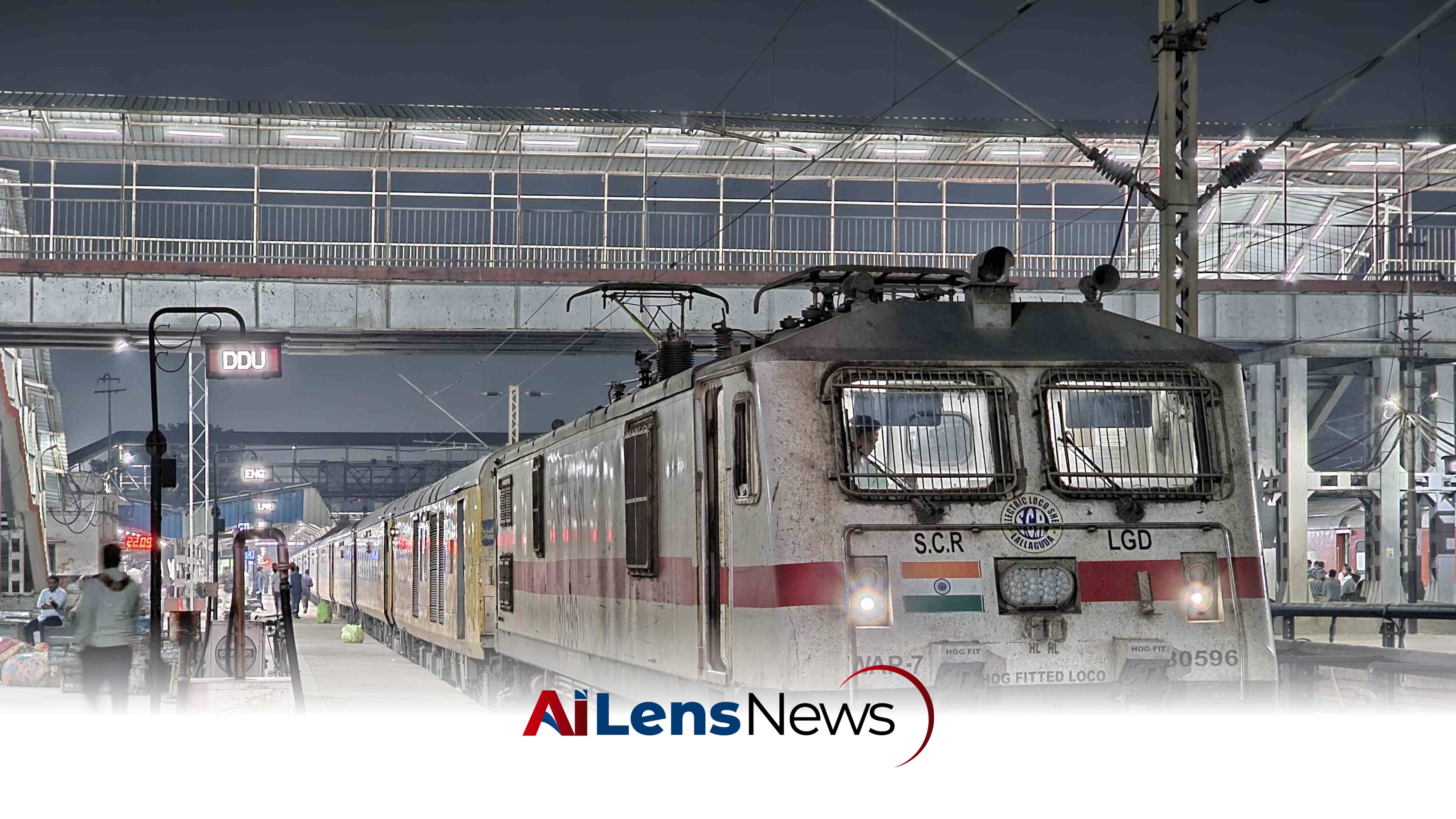


India has achieved the status of having the largest electrified railway network globally, with 99.6% of its broad gauge tracks electrified, surpassing major nations.
Itanagar, India Jul 22, 2026 ALN: India has emerged as the global leader with the largest electrified railway network in the world. With 99.6 percent electrification of the country’s broad gauge track network, India is second only to Switzerland, which boasts 100 percent railway electrification, albeit with a much smaller network, Union Railway Minister Ashwini Vaishnaw informed the Lok Sabha on Wednesday.
India’s railway network electrification is ahead of China (82 percent), Spain (67 percent), Japan (64 percent), France (60 percent), and the United Kingdom (39 percent). This remarkable achievement highlights India's commitment to modernizing its infrastructure and enhancing the efficiency of its rail transport system.
Indian Railways (IR) has undertaken one of the fastest railway electrification programmes globally. While many countries prioritize electrifying only their busiest passenger and freight corridors, India has chosen to electrify its entire broad gauge network, the minister stated in a written reply to a question in the Lower House. This comprehensive approach not only improves the efficiency of the railways but also facilitates a more sustainable transport system across the country.
Electrification of the track network on Indian Railways has been taken up in mission mode, with a massive 48,072 route kilometers being electrified between 2014 and 2026. This represents a sharp acceleration compared to the 21,801 route kilometers that were electrified in the 60 years prior to this period, the minister stated. The rapid pace of electrification is a significant step towards achieving a modern and eco-friendly railway system, which is essential for a country of India's size and population.
Furthermore, electrification of railway tracks reduces dependency on fossil fuels, decreases diesel consumption, and results in lower carbon emissions. Electrification enables better haulage capacity and higher train speeds, leading to reduced travel time and enhanced efficiency. This transition is crucial for India's long-term sustainability goals, especially in light of the global push towards reducing greenhouse gas emissions.
IR’s diesel consumption for traction purposes has reduced by 185 crore liters, with about 108 crore liters expected in 2024-25 compared to 293 crore liters in 2015-16. This has resulted in significant savings in foreign exchange, which would have otherwise been needed for fuel imports. The reduction in diesel consumption not only helps in conserving foreign exchange but also plays a vital role in improving air quality and reducing the country's carbon footprint.
India’s diesel consumption for railway traction has also fallen sharply from 293 crore liters in 2015-16 to 108 crore liters in 2024-25, resulting in savings of precious foreign exchange and a reduction in carbon emissions. Over 1,260 MW of solar and wind power capacity has also been commissioned to support low-carbon operations on Indian Railways. The expansion of the railway network promotes cleaner mobility, as rail transport emits about 89 percent less carbon dioxide than road transport, the minister further stated. This statistic underscores the environmental benefits of investing in electrified rail systems, which are not only more efficient but also significantly less polluting than their diesel counterparts.
Electrified railways are well suited for integrating solar, wind, and other renewable energy into traction power systems, making them the most effective transport systems for utilizing renewable electricity. Indian Railways is committed to sustainable operations through near-total railway electrification combined with the use of renewable energy sources, based on strategic power procurement planning, thus contributing to carbon footprint reduction, the minister added. This commitment aligns with India's broader goals of increasing the share of renewable energy in its energy mix and addressing climate change challenges.
The implications of India's electrification initiative extend beyond environmental benefits. The modernization of the railway infrastructure is expected to stimulate economic growth by facilitating faster and more efficient movement of goods and people. Improved rail connectivity can lead to enhanced trade opportunities, better access to markets, and ultimately contribute to the overall economic development of the regions served by the rail network.
Moreover, the electrification of railways is also likely to create job opportunities in various sectors, including manufacturing, construction, and renewable energy. As the railway sector evolves, there will be a growing demand for skilled labor to support the maintenance and operation of electrified rail systems. This can lead to enhanced employment prospects for the workforce, particularly in rural and semi-urban areas where rail connectivity is crucial for economic upliftment.
In addition to economic and environmental benefits, the shift towards electrified railways is likely to enhance the safety and reliability of train operations. Electrified trains are generally more reliable and have lower maintenance costs compared to diesel locomotives. This can result in improved punctuality and reduced operational delays, which are critical factors for both passenger and freight services.
In conclusion, India's achievement of having the largest electrified railway network in the world is a significant milestone that reflects the country's commitment to sustainable development, economic growth, and modernization of its transport infrastructure. As the nation continues to invest in electrification and renewable energy, it sets an example for other countries striving to achieve similar goals in their transportation sectors. The ongoing efforts to electrify the railway network will not only contribute to reducing carbon emissions but also enhance the overall efficiency and reliability of the railway system, ultimately benefiting millions of passengers and businesses across the country.
To learn more about the latest developments in Transport & Mobility, stay updated with our exclusive reports and analyses on AiLensNews.

