

The flood situation in remains critical as fresh landslides and flooding have been reported in two districts, affecting over 113,000 residents.
Itanagar, India Jul 18, 2026 ALN: ITANAGAR, 17 Jul: The flood situation in remains grim, with fresh landslides and floods reported from two districts in the last 24 hours, officials said here on Friday. The ongoing spell of rain-triggered floods and landslides has so far claimed seven lives and affected approximately 113,674 people across the state.
According to the state Disaster Management Department’s evening report, Upper Subansiri and Upper Siang have reported fresh rain-related damages during this period. The impact of the monsoon deluge has been widespread, affecting a total of 26 districts, 321 circles, and 546 villages throughout the state. This extensive damage highlights the vulnerability of the region to seasonal monsoon rains, which often lead to severe flooding and landslides.
In Upper Subansiri, flash floods and landslides have affected four circles—Giba, Nilling, Chetam, and Daporijo—covering 35 villages in the last 24 hours. Reports received during this period indicate significant damage to infrastructure, including roads, culverts, a bridge, and retaining walls, all of which have been compromised due to the relentless flash floods and landslides. The destruction of such infrastructure not only hampers transportation but also affects the delivery of essential services and supplies to the affected areas.
Upper Siang has emerged as the worst-hit district, with 49,259 individuals affected, followed by Siang with 25,365, Kra Daadi with 13,731, Upper Subansiri with 9,550, East Kameng with 6,786, Namsai with 2,657, and Anjaw with 1,011, according to the report. The scale of the disaster has raised concerns about the long-term impacts on the local population, including displacement, loss of livelihoods, and potential health risks associated with waterborne diseases in the aftermath of flooding.
Official figures show that a total of 804 houses have been damaged across the state, which includes 614 kutcha (temporary) houses and 120 pucca (permanent) houses. The distinction between these types of housing is crucial, as kutcha houses are typically more susceptible to damage during severe weather events. The cumulative loss to agriculture and horticulture has also risen to 603.75 hectares, comprising 240 hectares of agricultural land and 363.75 hectares of horticulture plantations. This loss poses a significant threat to food security in the region, as agriculture is a primary livelihood for many residents.
The damage to infrastructure across the state remains extensive, with 177 roads, 28 bridges, 30 culverts, 240 water supply facilities, 156 power lines, and 224 electric poles affected. Such widespread damage disrupts not only transportation but also access to essential services such as healthcare, education, and emergency response. Government buildings, schools, hostels, hospitals, retaining walls, flood protection walls, drainage systems, and other public assets have also suffered damage, according to the report. The destruction of these facilities can have lasting impacts on community resilience and recovery efforts.
Livestock losses have also been reported, including 130 poultry birds, 613 small animals, and eight large animals. The loss of livestock further exacerbates the challenges faced by rural communities, as these animals are often integral to their livelihoods and provide essential resources such as milk, eggs, and labor for farming.
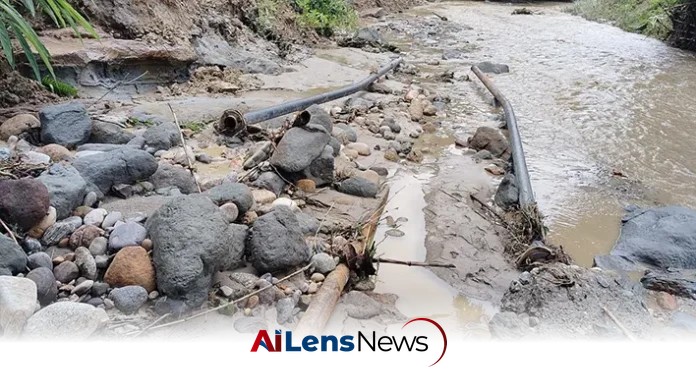
Meanwhile, flash floods in the past two days have damaged several water supply pipelines under the Naharlagun division of the Public Health Engineering and Water Supply Department, disrupting normal supply in several localities. Areas affected include Pachin, Prem Nagar, A Sector, Dokum Colony, Down Police Colony, cinema hall area, post office area, Takar Complex area, Model Village, Block-I, Block-II, Buk village, G Extension, Panchayat Colony, Forest Colony, Upper and Lower Damsite, Tegdo Damsite, and Hochang. The disruption of water supply is particularly concerning in the context of public health, as access to clean water is critical for preventing disease outbreaks, especially in the wake of flooding.
The department has initiated restoration work and stated that water tankers would be deployed to provide water to consumers until normal supply is restored. This emergency measure underscores the immediate need for effective responses to mitigate the impacts of natural disasters on vulnerable populations.
Looking ahead, the state is likely to witness widespread inclement weather on Saturday, with the India Meteorological Department (IMD) forecasting very heavy rainfall and thunderstorms accompanied by lightning at isolated places across several districts. According to the weather forecast, Papum Pare district is likely to experience thunderstorms with lightning and very heavy rainfall at isolated places on Saturday. Kurung Kumey is also expected to receive heavy rainfall accompanied by thunderstorms and lightning at isolated places. Very heavy rainfall along with thunderstorms and lightning is also very likely at isolated places in Anjaw district, while Lohit, Pakke-Kessang, and Lower Subansiri are expected to witness heavy rainfall accompanied by thunderstorms and lightning. Heavy rainfall is also likely at isolated places over Tawang, West Kameng, and East Kameng districts during the day.
The anticipated weather conditions may lead to further disruption of normal life in vulnerable areas, particularly in landslide- and flood-prone locations. People have been advised to remain cautious, especially while traveling through hilly stretches and areas susceptible to waterlogging and landslides. Local authorities are likely to continue monitoring the situation closely and may issue further advisories as necessary to ensure public safety.
In conclusion, the current situation in serves as a stark reminder of the challenges posed by natural disasters, particularly during the monsoon season. The extensive damage to infrastructure, agriculture, and housing underscores the need for robust disaster preparedness and response strategies. As the region braces for continued adverse weather conditions, the focus must remain on safeguarding the lives and livelihoods of the affected populations while also planning for long-term recovery and resilience against future disasters.
To learn more about the latest developments in Local & Regional, stay updated with our exclusive reports and analyses on AiLensNews.

