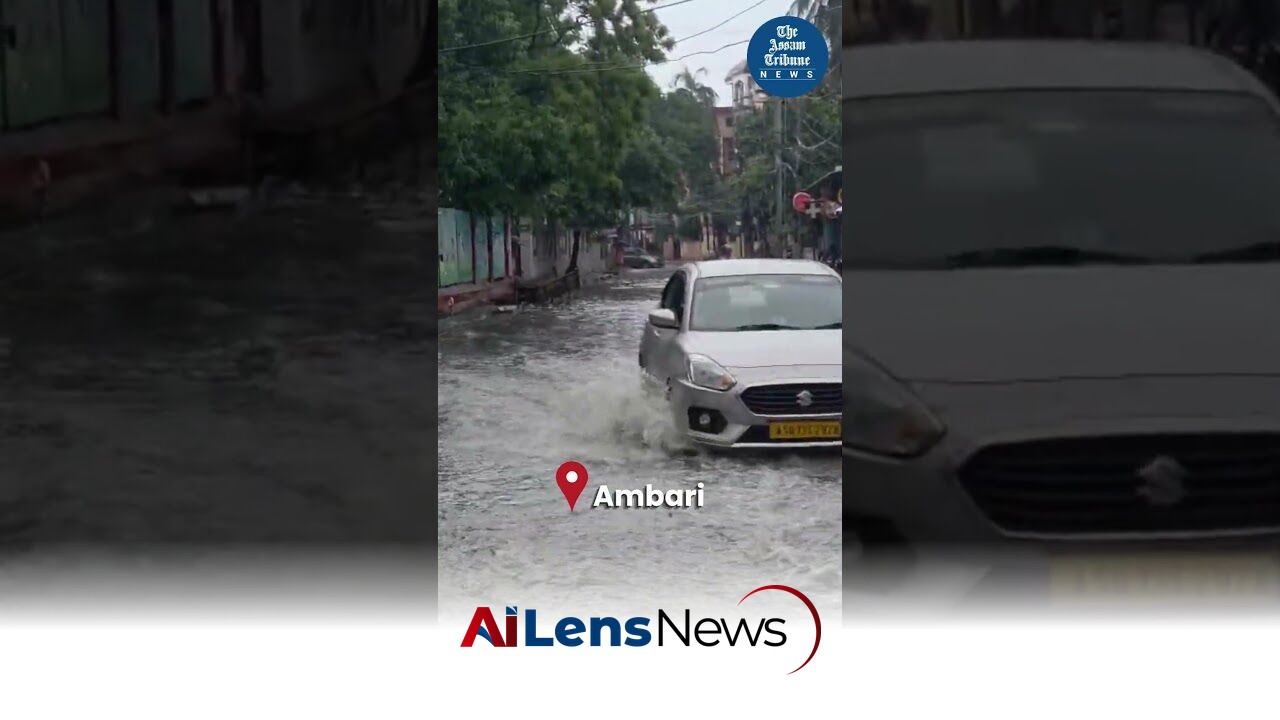


Heavy rainfall in Ambari has led to significant flooding, submerging streets and disrupting daily life.
New Delhi, India Jul 13, 2026 ALN: In a dramatic turn of events, the streets of Ambari have been submerged following a heavy downpour that struck the region recently. Residents are grappling with the aftermath of the flooding, which has disrupted daily activities and raised concerns about infrastructure resilience. This incident has highlighted the vulnerabilities of urban areas to extreme weather events, a situation that is becoming increasingly prevalent in many parts of the world due to climate change.
The intense rainfall has caused significant inconvenience for locals, with many unable to navigate the flooded streets. The water levels have risen to such an extent that public transportation has been severely affected, with buses and taxis unable to operate in many areas. Residents have reported losing access to essential services, including grocery stores and healthcare facilities, as roads have become impassable. Vehicles are seen struggling to move through the waterlogged roads, highlighting the urgent need for effective drainage solutions in the area.
Moreover, the flooding has had a psychological impact on the community. Many residents are feeling anxious about their safety and the potential for further weather-related incidents. The disruption of daily routines, including commuting to work or school, has added to the stress experienced by families. The local economy is also feeling the pinch, as businesses have had to close their doors temporarily, leading to a loss of income for many. Small businesses, in particular, are facing challenges as they attempt to recover from the financial strain caused by the flooding.
Officials are now facing scrutiny over the preparedness of the city's drainage systems. The flooding has sparked discussions about the adequacy of existing infrastructure to handle such extreme weather events, which are becoming increasingly common due to climate change. Ambari's drainage systems, originally designed to manage typical rainfall patterns, have proven insufficient in the face of unprecedented weather conditions.
In many urban areas, including Ambari, rapid development has often outpaced infrastructure improvements. As new buildings and roads are constructed, the natural drainage patterns can be disrupted, leading to increased runoff and flooding. This situation is exacerbated by the fact that climate change is causing more frequent and intense rainfall events, putting additional pressure on already strained systems. The inability of the infrastructure to cope with such events raises questions about urban planning and the need for a more sustainable approach to development.
City officials are now tasked with evaluating the current infrastructure and determining what upgrades are necessary to prevent similar incidents in the future. This may involve not only improving drainage systems but also considering green infrastructure solutions, such as rain gardens, permeable pavements, and increased green spaces, which can help absorb excess water. The integration of these solutions into urban planning can enhance the city's capacity to manage stormwater effectively and reduce the risk of flooding.
Local residents have come together to assist one another during this challenging time. Community members are sharing resources and information on safe routes, while local authorities are working to address the flooding and restore normalcy. Grassroots organizations have mobilized to provide support to those most affected by the flooding, including vulnerable populations who may lack the resources to recover quickly. The spirit of cooperation and mutual aid has been evident as neighbors band together to support one another.
Volunteers have been seen distributing food and water to those stranded in their homes, while others have opened their doors to neighbors in need of shelter. This sense of community solidarity has been a silver lining in the face of adversity, showcasing the resilience of the people of Ambari. Local leaders are also calling for a coordinated response from government agencies to ensure that recovery efforts are effective and inclusive. The involvement of community members in the recovery process can foster a sense of ownership and empowerment, which is crucial for long-term resilience.
As the rainfall subsides, the focus will shift to recovery efforts and long-term solutions to prevent future flooding. City planners and environmental experts are being called upon to devise strategies that enhance the resilience of Ambari against such weather events. This may include comprehensive assessments of the city’s infrastructure, as well as community engagement initiatives to ensure that residents have a voice in the planning process. The importance of participatory planning cannot be overstated, as it allows for the incorporation of local knowledge and priorities into decision-making.
In addition to immediate recovery efforts, there is a growing recognition of the need for long-term planning that takes climate change into account. This involves not only improving drainage systems but also implementing policies that promote sustainable urban development. By prioritizing green infrastructure and climate resilience, Ambari can better prepare for future weather events and protect its residents. The integration of climate adaptation strategies into urban planning is essential for building a more sustainable and resilient city.
In conclusion, the recent flooding in Ambari serves as a stark reminder of the challenges posed by extreme weather. It underscores the importance of proactive measures to safeguard communities from the impacts of climate change. As the city begins to recover, the lessons learned from this event will be crucial in shaping a more resilient future for Ambari, ensuring that it can withstand the challenges posed by an increasingly unpredictable climate. The need for a comprehensive approach that includes infrastructure improvements, community engagement, and sustainable development practices will be vital in addressing the vulnerabilities exposed by this flooding incident.
To learn more about the latest developments in Local & Regional, stay updated with our exclusive reports and analyses on AiLensNews.

