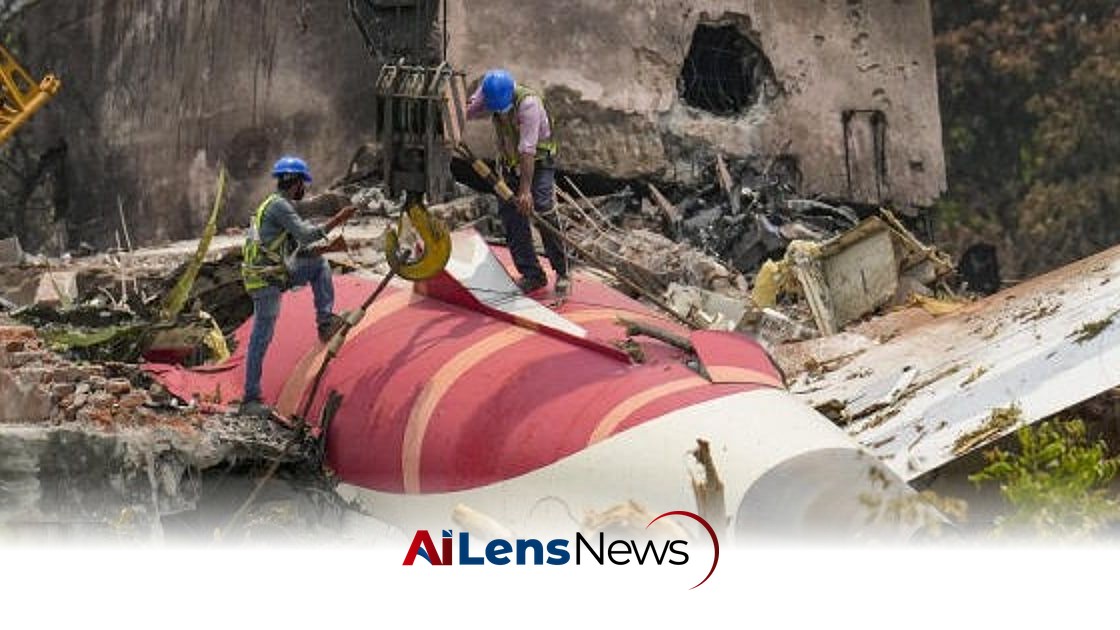


The AAIB informed the Supreme Court that the draft report on the Air India AI-171 crash, which resulted in 260 fatalities, is anticipated to be completed by October 2026.
New Delhi, India Jul 14, 2026 ALN: New Delhi: The Aircraft Accident Investigation Bureau (AAIB) has informed the Supreme Court that the draft final report of the investigation into the June 2025 Air India flight AI-171 crash in Ahmedabad, which resulted in 260 fatalities, is expected to be ready in October 2026.
This tragic incident, which has garnered significant national and international attention, is a stark reminder of the inherent risks associated with aviation. The AAIB, responsible for investigating aviation accidents and incidents in India, has emphasized that the crash of AI-171 is not merely a domestic issue but is governed by international standards. These standards are primarily outlined in the Chicago Convention, which establishes a framework for international civil aviation, and Annex 13 of the International Civil Aviation Organisation (ICAO) regulations, which specifically pertains to aircraft accident investigations.
Annex 13 details the standard procedures for conducting an aircraft accident investigation. It mandates that the state where the accident occurs must initiate an inquiry into the circumstances surrounding the incident. Furthermore, it allows for the participation of several relevant states, including the State of Registry, State of Operator, State of Design, and State of Manufacture. Each of these entities has defined rights and responsibilities in the investigative process, facilitated through accredited representatives and technical participation. This collaborative approach is crucial for ensuring that all aspects of the investigation are thoroughly examined and that the findings are credible and reliable.
The AAIB's affidavit to the Supreme Court underscores the complexity of such investigations, particularly in cases involving international flights. The agency stated, "Therefore, the inquiry is not merely an internal municipal exercise but takes on the character of an internationally structured, treaty-governed investigation conducted by the State of Occurrence in collaboration with all relevant States that have a legally recognized connection to the aircraft, operator, design, or manufacture." This highlights the collaborative nature of aviation safety investigations, which often involve multiple jurisdictions and regulatory frameworks.
Importantly, the primary goal of an aircraft accident investigation is to enhance aviation safety and prevent future incidents, rather than to assign blame or determine civil or criminal liability. This focus on safety is critical, as it ensures that the findings can be used to improve operational protocols and regulatory measures across the aviation industry. The AAIB's affidavit further elaborated on the timeline for completing the investigation, noting that the nature, scale, and complexity of the AI-171 crash necessitate a careful evaluation of the investigative process.
According to the AAIB, "Given the nature, scale, and complexity of the current accident, the AAIB has carefully evaluated the timeline for completing the investigation. In all likelihood, the investigation activities, as described... contingent upon the resolution of pending external dependencies, are expected to be completed within approximately six weeks. Following this, the draft final report, after the analysis phase is concluded, is anticipated to be ready around October 2026." This timeline reflects the meticulous nature of aviation investigations, which require thorough analysis and validation of findings before a report can be finalized.
In addition to the complexities of the investigation, the AAIB has also noted that both international and domestic legal frameworks impose strict confidentiality on sensitive investigative materials. This confidentiality is crucial for protecting the integrity of the ongoing investigation and ensuring that future aviation safety inquiries are not compromised. The affidavit indicated that this includes witness statements, cockpit voice recorder recordings and transcripts, air traffic control communications, medical information, and other protected records. The disclosure of such materials could negatively impact the investigation's findings and the broader goals of improving aviation safety.
The June 12 plane crash claimed 260 lives, including 229 passengers, 12 crew members, and 19 individuals on the ground. The scale of this tragedy has left a profound impact on families, communities, and the aviation industry as a whole. The heartbreaking loss of life has raised questions about safety protocols, aircraft design, and the broader regulatory environment governing aviation operations in India and beyond.
In the wake of the crash, there has been significant public and media interest in the investigation's progress. Previously, the Supreme Court reassured the 91-year-old father of pilot Sumeet Sabharwal, who perished in the crash, that his son should not be held accountable for the incident and that he should not bear this burden. This acknowledgment is crucial for the families of those lost in the crash, as it alleviates some of the emotional weight associated with the tragedy.
Pushkaraj Sabharwal, the father of Captain Sumeet Sabharwal, along with the Federation of Indian Pilots, has approached the Supreme Court for a court-monitored inquiry led by a former apex court judge into the crash. This request underscores the desire for transparency and accountability in the investigation process. The nonagenarian has requested a "fair, transparent, and technically robust" investigation into the tragic event, emphasizing the need for a thorough examination of the circumstances surrounding the crash.
In his plea, he stated, "An incomplete and biased inquiry, lacking the identification of the exact cause of the accident, jeopardizes the safety of future passengers and undermines aviation safety as a whole, violating Article 21 of the Constitution." This plea highlights the critical importance of ensuring that the investigation is conducted with integrity and thoroughness, as the findings will not only impact the families affected by the crash but also the future of aviation safety regulations in India.
The ill-fated aircraft had departed from Ahmedabad en route to London but crashed shortly after takeoff, impacting the BJ Medical College hostel located less than a nautical mile from the runway's end. This detail further emphasizes the need for a comprehensive investigation, as the crash site and its proximity to populated areas raise significant concerns about aviation safety protocols and emergency response measures.
Moreover, the Emergency Locator Transmitter (ELT) failed to activate during the incident, which raises questions about the aircraft's safety systems and their reliability. Both the pilot-in-command Captain Sumeet Sabharwal and co-pilot Captain Clive Kunder lost their lives in the incident, as noted in the plea. The loss of experienced pilots in such a tragic event further complicates the investigation and highlights the need for a thorough examination of all contributing factors.
As the AAIB continues its investigation, the aviation community and the public will be closely monitoring developments. The findings of this investigation are expected to have far-reaching implications for aviation safety regulations, operational protocols, and the overall approach to accident investigations. Ensuring that lessons are learned from this tragedy will be crucial in preventing similar incidents in the future and maintaining public confidence in the safety of air travel.
To learn more about the latest developments in Health & Public Safety, stay updated with our exclusive reports and analyses on AiLensNews.

