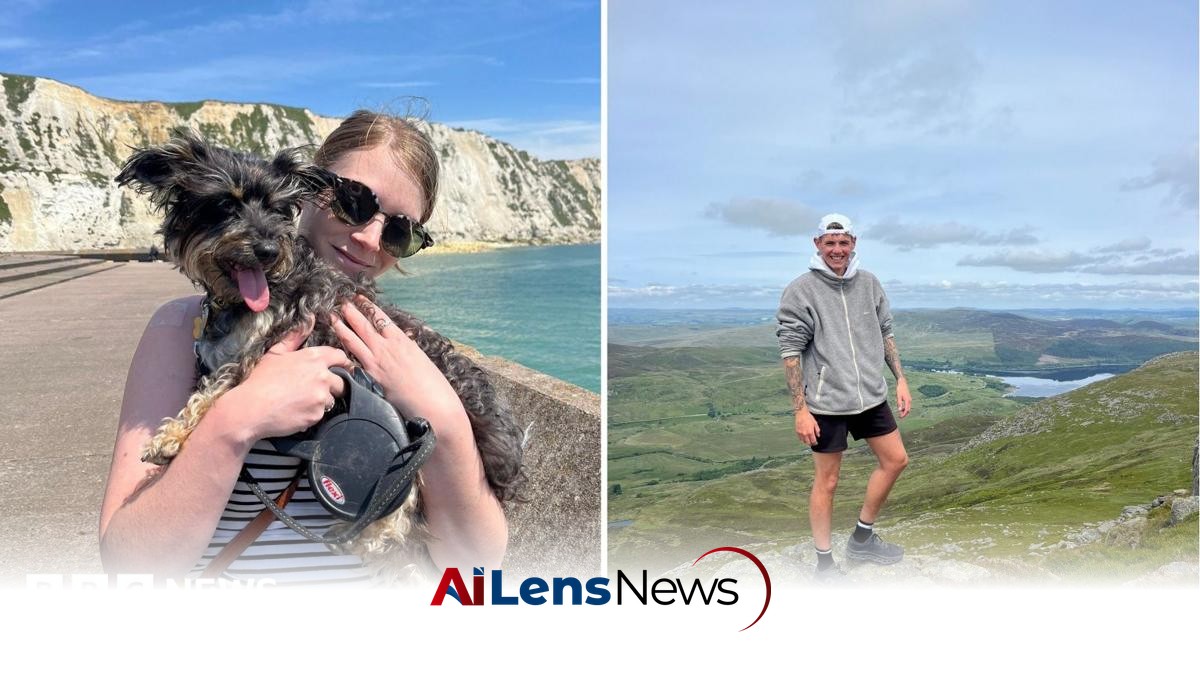


Readers share their tips for incorporating daily walking habits following the NHS's new reward scheme for regular exercise.
New Delhi, India Jul 4, 2026 ALN: Hundreds of people have shared the habits that help them walk every day after the BBC revealed plans for an NHS-backed scheme that will reward people for regular exercise.
NHS England's "marathon a month" challenge - part of wider efforts to encourage physical activity - is due to launch next year and will ask participants to walk for around 30 minutes a day over the course of a month. This initiative aligns with the growing recognition of physical activity as a cornerstone for improving public health and managing chronic diseases.
Those who complete the challenge will be eligible for exercise rewards, although specific details have not yet been announced. The NHS's push for this initiative comes amid rising concerns about sedentary lifestyles, which have been linked to various health issues, including obesity, cardiovascular diseases, and mental health disorders.
While the NHS aims to boost exercise levels through incentives, readers told the BBC their biggest motivators were better physical and mental health, time in nature, and making walking part of their daily routine. Walking, a low-impact exercise, is accessible to most individuals and can be easily integrated into daily life, thus making it a practical choice for many.
From walking the dog before breakfast to getting off the bus a stop early, here are some of the ways readers say they maintain a regular walking habit.
Ed Shirt, 25, recommends fitting in the 30 minutes wherever you can in the day and splitting it into chunks if that makes it more manageable. This strategy is particularly useful for those with busy schedules, as it allows for flexibility in how one achieves their exercise goals. Ed suggests, "Walk before work, on your lunch break or after dinner. You don't have to do all 30 minutes at once either - three 10-minute walks throughout the day add up just the same."
Living by the coast in Prestatyn in Denbighshire, Wales, he often sets a timer and picks a landmark to walk to. "I get my half hour in literally just getting on the beach. There's something about the movement of walking that clears your mind. I love walking for my mental health." This sentiment echoes research that highlights the mental health benefits of walking, which include reduced anxiety, improved mood, and enhanced cognitive function.
He says the key is to make walking part of a daily routine rather than treating it as a workout. "Walking is one of the easiest ways to boost both your physical and mental wellbeing, and once it becomes a habit, you'll really notice the difference." This perspective aligns with behavioral science, which suggests that forming habits is crucial for long-term adherence to exercise routines.
Georgia Blackwood, from Dudley in the West Midlands, says she builds walking into daily life by getting off the bus a couple of stops before her destination and opting to walk rather than use public transport where she can. This method not only increases her daily step count but also contributes to her overall fitness without requiring significant additional time commitment. "Getting on and off the bus a couple of stops early or later is how I get my steps in," she says. "I also walk instead of getting buses for shorter journeys."
The approach helps her stay active without needing to set aside extra time. "My town centre is about four stops away from me so I walk there, then I do my shopping and load my backpack and carry it back so I'm doing weights too." This dual benefit of walking for transportation and exercise illustrates how individuals can optimize their routines for better health outcomes.
For 51-year-old Barry Nicholson, walking is easiest with a companion - particularly his energetic beagle Max. The social aspect of walking can enhance motivation and enjoyment, making it less of a chore and more of a pleasurable activity. "Thirty minutes of walking per day is fairly simple for a dog owner," he says. He walks Max for 45 minutes every day, come rain or shine, and sometimes for longer at the weekend.
"Having a dog is one of the biggest tips - once you know you've got the responsibility to keep him exercised, keep him entertained, then you have the motivation to go out." This reflects the idea that external commitments can foster personal accountability, encouraging individuals to engage in physical activity. He usually takes Max for a walk in the morning before work and again in the evening, making the most of the many parks and forests in Bury St Edmunds, Suffolk, where he lives.
"Does shopping count?" asks 82-year-old Geoffrey Murrell. He and his wife Carole, also 82, say they reach at least 4,500 steps a day simply through everyday tasks like shopping and getting around town. Their approach highlights the potential for integrating physical activity into routine activities, which can significantly contribute to daily step counts without the need for structured exercise. "We don't have a car," Geoffrey says. "Anywhere we go, we walk - we're on legs!"
The couple usually walk into Bedford for food shopping or catch a bus to Milton Keynes before walking around the shopping centre. Sometimes they'll stop to chat with neighbours or take a stroll along the river to watch the swans. This leisurely pace allows them to enjoy their surroundings while staying active.
Geoffrey, who is receiving treatment for bladder cancer and has diabetes, says on some days he walks even further to attend hospital appointments. His commitment to walking, even amidst health challenges, underscores the importance of maintaining an active lifestyle for overall health and well-being.
"My walk to work is a two and a half mile journey," Sophie O'Sheen tells the BBC. "It takes me roughly 45 minutes. Walking is a great way for me to decompress before and after work and also speak on the phone to my family whilst doing some form of exercise." This dual-purpose use of commuting time exemplifies how individuals can creatively incorporate physical activity into their daily lives.
The 31-year-old from Maidstone, Kent, says it gives her headspace to think through ideas and have some time alone to reflect on things. "We're so busy these days in this modern age, you don't get that time just to yourself," she says. Walking to work every day offers that: "You can just have that time and it's your time. It feels like it's a bit more for you." This notion of reclaiming personal time through walking resonates with many who seek balance in their increasingly hectic lives.
Violet Black, from Edinburgh, Scotland, thinks walking can be a good antidote to isolation and loneliness. This perspective is particularly relevant in today's society, where loneliness is a growing concern for many individuals, especially among the elderly. "Anyone who struggles being on their own, you never feel worse for going out walking," she advises.
The 80-year-old started walking when she retired at 61. She walks five miles every day, except for in snow and icy conditions, she says. "I'm constantly told that I look years younger [but it's] not always what I think when I consult the mirror!" Her experience illustrates the positive physical and psychological effects of regular walking, which can enhance social interaction and improve mood.
Daphnyan Gordon, from Craigavon in County Armagh, Northern Ireland, uses a walking pad at home to keep active when she would otherwise skip a walk outdoors. This highlights the adaptability of walking as a form of exercise, making it accessible regardless of external conditions. "Today I was going to go for a walk and it started to drizzle a bit so I thought I'd go on my walking pad," she says.
"It takes the excuse away to be sedentary so you don't have a reason not to walk," she says, adding: "You can put your favourite show on and walk for the duration - sometimes an hour." This innovative approach allows individuals to maintain their commitment to physical activity, even when outdoor conditions are not ideal. "It's not the outdoors but it's still a good way to move."
The insights shared by these individuals reflect a broader cultural shift towards valuing physical activity as an essential component of daily life. The NHS's upcoming initiative is poised to further encourage this trend, fostering a community of individuals who prioritize their health through walking and other forms of exercise. As more people engage in regular walking habits, the potential for improved public health outcomes increases, contributing to a healthier society overall.
Additional reporting by UGC Hub
To learn more about the latest developments in Health & Public Safety, stay updated with our exclusive reports and analyses on AiLensNews.

