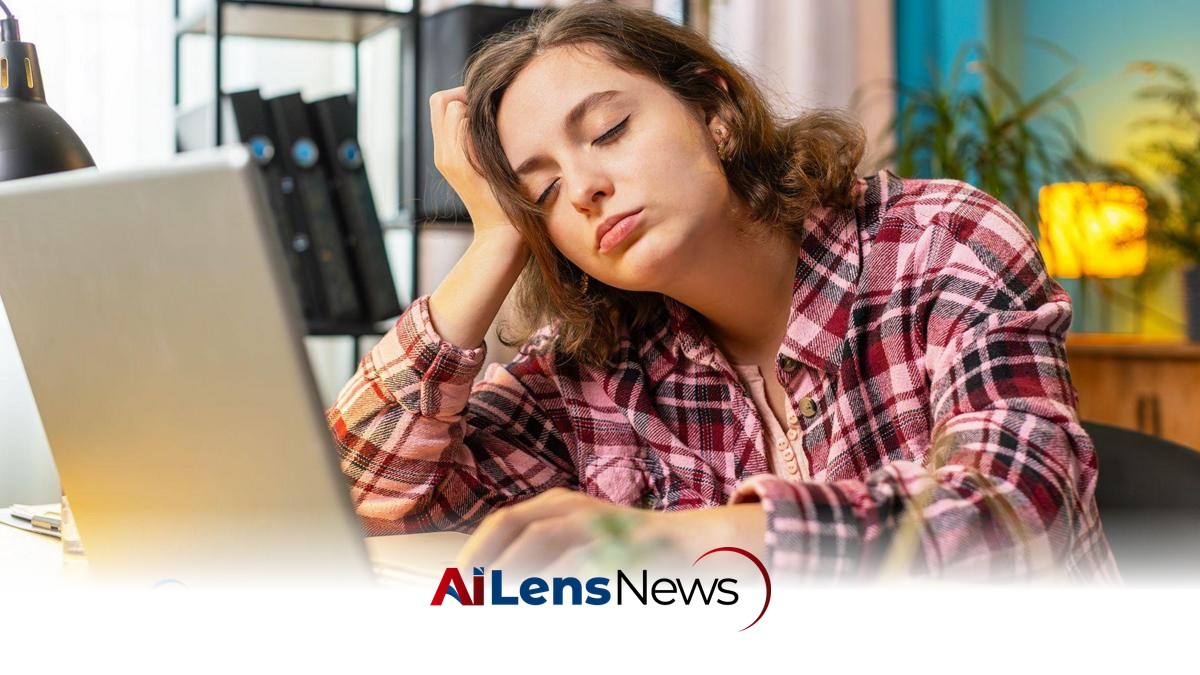


After England's thrilling win over Mexico, here are tips to combat sleep deprivation and stay alert.
New Delhi, India Jul 6, 2026 ALN: You know the score. You stayed up late at the pub in the early hours of the morning or set your alarm for after midnight to watch England in its nail-biting match against Mexico. The result was worth it, but the euphoria alone might not get you through the next few hours if you have not managed to net the day off.
Now you are blinking at the screen, as unread emails or your boss's requests morph into visions of Jude Bellingham's flying header. But fear not; while you are bound to feel groggy or more irritable today, there are some ways you can feel more alert.
It sounds like a no-brainer, especially if you are scrolling through these tips on your fifth flat white of the day. Whichever way you get your caffeine intake—coffee, tea, or energy drinks—you may find yourself reaching for more because the drug changes the way the brain works so it stops paying attention to the signals saying we're tired.
Caffeine is a central nervous system stimulant that can temporarily ward off drowsiness and restore alertness. However, it is essential to manage your consumption wisely, particularly when you are sleep-deprived. The stimulant lingers in the body for a long time, and scientists recommend having your last dose roughly eight hours before bedtime. So, reader, if you are wanting an early bedtime—knock that espresso order on the head now.
It's also worth noting that while caffeine can provide a quick boost, over-reliance on it can lead to a cycle of fatigue. As your body becomes accustomed to higher doses, you may find that you need more caffeine to achieve the same effects, creating a dependency that can complicate your sleep patterns in the long run.
While the thought of braving the outside world may feel like the last thing you want to do, daylight can be a saviour when you are tired. Getting outside as soon as you can can make a significant difference in how you feel. Natural light sets our circadian rhythm, or 24-hour body clock, which tells us when to wake up and when to feel sleepy.
Exposure to early light will signal to your tired brain that it is time to switch on, helping to boost your mood and alertness. Daylight also plays a crucial role in regulating the production of melatonin, the hormone responsible for sleep. When daylight fades, your body receives the signal to produce more melatonin, promoting feelings of sleepiness. Therefore, ensuring you get enough natural light during the day can help you feel more awake and alert, while also preparing your body for a good night's sleep when evening arrives.
Strategic napping is also a power move to help refresh the brain for the afternoon. If you can wing it on your work break, the perfect nap time is just after lunch when the body takes a natural dip in so-called 'alerting signals' that regulate your sleep and wake. Dr. Victoria Revell, an associate professor in transitional sleep and circadian physiology at the University of Surrey, says this strategy can "help reset the build-up of sleepiness you will be experiencing." She also advises that you set your alarm so you do not nap for too long, to get "a boost without affecting tonight's sleep."
Research has shown that naps can enhance cognitive performance, mood, and alertness. However, the timing and duration of your nap are crucial. A short nap of around 20 to 30 minutes is often ideal, as it allows you to wake up before entering deeper stages of sleep, which can leave you feeling groggy. For those who cannot find a private spot to curl up this afternoon, finding somewhere to sit quietly for 10 minutes or so can also be helpful. Importantly, try to go to bed around your normal time this evening to prevent long-term sleep disruption.
Tempting as sprawling on the sofa might be, a bit of exercise will make you feel less tired in the long run. Engaging in physical activity releases endorphins, which can enhance your mood and energy levels. No one is asking you to run around a pitch for 90 minutes today; even a 15-minute walk can give you an energy boost, according to the NHS. Exercise can also improve sleep quality, helping you to fall asleep faster and enjoy deeper sleep.
Exercising reduces stress and tires you out, and doing it in the morning and afternoon can help reset the sleep-wake cycle. Incorporating movement into your day can be as simple as taking the stairs instead of the elevator or doing some stretches at your desk. These small changes can accumulate and significantly impact your overall energy levels and well-being.
While you can take some steps to manage poor sleep, you will not be able to shake it off completely. The tired brain is prone to risk-taking, being impulsive, mood swings, anxiety, and lacks empathy. Concentration, decision-making, creativity, and productivity all take a nosedive too. It is important to acknowledge that feeling tired is a natural consequence of staying up late, especially for something as thrilling as the World Cup.
Take extra care when driving and save any big life decisions for later in the week. Dr. Revell says that lost sleep combined with increasing heat means "you probably won't be at peak performance." She adds: "If you can, set yourself some simpler tasks for today and don't expect too much." This self-compassion can help alleviate the pressure you may feel to perform at your best despite your fatigue.
In conclusion, while the excitement of the World Cup can lead to sleepless nights, implementing these strategies can help you navigate through the day more effectively. Remember, sleep is essential for overall health and well-being, and prioritizing it can lead to better performance both at work and in your personal life. As the World Cup progresses, consider planning your viewing schedule carefully to ensure you can enjoy the games while still maintaining a healthy sleep routine. After all, the thrill of the match is best appreciated when you are alert and fully engaged.
To learn more about the latest developments in Health & Public Safety, stay updated with our exclusive reports and analyses on AiLensNews.

