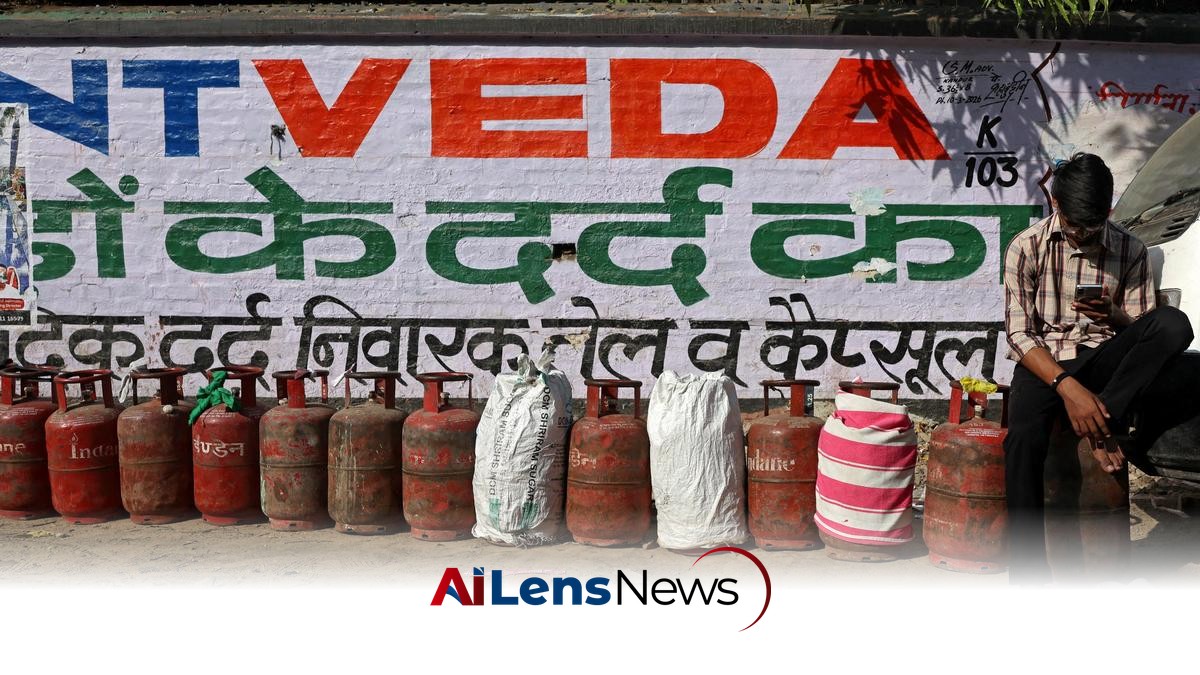


The government has lifted emergency gas supply restrictions following the normalization of LNG shipments through the Strait of Hormuz after a ceasefire.
New Delhi, India Jul 5, 2026 ALN: The government has officially withdrawn most provisions of the emergency natural gas supply regulation order that was imposed during the recent conflict in West Asia. This decision comes in light of the normalization of liquefied natural gas (LNG) shipments through the strategically significant Strait of Hormuz, following a ceasefire agreement in the region. The Ministry of Petroleum and Natural Gas issued a notification on Saturday, July 4, 2026, amending the Natural Gas (Supply Regulation) Order, 2026, which led to the removal of key operational provisions that had been put in place to safeguard domestic energy supplies during the crisis.
The original order, which was issued on March 9 under the Essential Commodities Act, was a direct response to the disruptions in LNG shipments through the Strait of Hormuz. This critical maritime route is responsible for a significant portion of the world's oil and gas transportation, and any disturbance to its operations can have far-reaching implications for energy security. In the wake of escalating tensions in West Asia, particularly following US and Israeli military actions against Iran on February 28, 2026, and Iran's subsequent retaliatory strikes, suppliers began invoking force majeure clauses, which allowed them to divert shipments to priority consumers. This situation necessitated the government's intervention to ensure that energy supplies remained stable for essential sectors.
In the notification, the Ministry of Petroleum and Natural Gas stated that the situation has improved considerably. The ceasefire has allowed for negotiations to take place, and maritime traffic through the Strait of Hormuz has resumed, signaling a return to normalcy in LNG supply chains. As a result, the government has deemed the emergency gas supply curbs unnecessary. The gas supply restrictions were one of three emergency measures introduced by the government to mitigate the impact of the conflict on energy supplies. The other two measures included directing refiners to maximize liquefied petroleum gas (LPG) production by diverting feedstock from petrochemical production and restricting diesel sales to bulk consumers. Both of these measures have also been lifted as the supply situation has stabilized.
India, as the world's third-largest oil importer and consumer, is heavily reliant on external sources for its energy needs. Approximately 88% of its crude oil requirements and about half of its natural gas needs are met through imports. This dependence is particularly pronounced when it comes to sourcing energy from West Asia, where around 40-45% of India's crude oil imports and nearly 65% of its LNG supplies originate. The Strait of Hormuz plays a pivotal role in this supply chain, making India vulnerable to geopolitical tensions that can threaten the flow of energy resources.
The government's decision to invoke emergency powers in March was a precautionary measure aimed at safeguarding domestic fuel and gas supplies in the face of potential disruptions. While India has made strides in diversifying its crude oil purchases by sourcing from a variety of producers, the situation with natural gas remains precarious. Most LNG cargoes from Qatar, a key supplier, must pass through the Strait of Hormuz, thus exposing India’s gas imports to the same vulnerabilities as its oil supplies.
The disruption in LNG shipments prompted some suppliers to invoke force majeure, leading the government to implement emergency measures that prioritized gas supplies to essential sectors. The March order empowered the government to direct the allocation and diversion of domestic gas, LNG, and regasified LNG to ensure that priority consumers received uninterrupted supplies. Under these emergency measures, supplies to piped natural gas (PNG) households, compressed natural gas (CNG) for transportation, LPG production, and pipeline operations were maintained at 100% of their average consumption over the previous six months. Fertilizer plants were guaranteed 70% of their average gas requirements, while industrial consumers connected to the gas grid and city gas distribution networks were assured 80% of their average consumption, contingent on operational availability.
To meet these priorities, the government authorized the curtailment of gas supplies to petrochemical plants and power stations. Additionally, oil refiners were directed to reduce gas consumption to approximately 65% of their average use wherever operationally feasible. This measure was crucial in ensuring that essential services and sectors received the necessary gas supplies to function effectively during the crisis.
The order also mandated that State-run GAIL, in coordination with the Petroleum Planning and Analysis Cell (PPAC), pool and redistribute gas supplies. This involved notifying a pooled price for the diverted gas and overseeing the implementation of revised allocation schedules. Gas producers, LNG importers, marketers, pipeline operators, and city gas distributors were required to comply with these revised supply schedules, with the emergency provisions overriding existing gas sale agreements and other commercial contracts. This comprehensive approach aimed to ensure that the most critical sectors of the economy were shielded from the fallout of the geopolitical crisis.
With the recent announcement that the emergency measures are no longer required, the government has signaled a return to normal operations in the natural gas sector. The notification highlighted that the ongoing conflict in West Asia, which had initially led to the disruption of LNG shipments, is now under a ceasefire, and negotiations are actively taking place. As a result, maritime traffic through the Strait of Hormuz has been permitted to resume, allowing for the flow of LNG and other energy supplies to return to pre-crisis levels.
In conclusion, the withdrawal of the emergency gas curbs marks a significant step towards restoring stability in India's natural gas supply chain. However, the incident underscores the vulnerabilities associated with reliance on a narrow set of supply routes and geopolitical stability in the region. As India continues to navigate its energy needs, the government may need to consider further diversification strategies and contingency plans to mitigate the risks associated with future geopolitical tensions that could threaten energy security.
To learn more about the latest developments in Economy, stay updated with our exclusive reports and analyses on AiLensNews.

