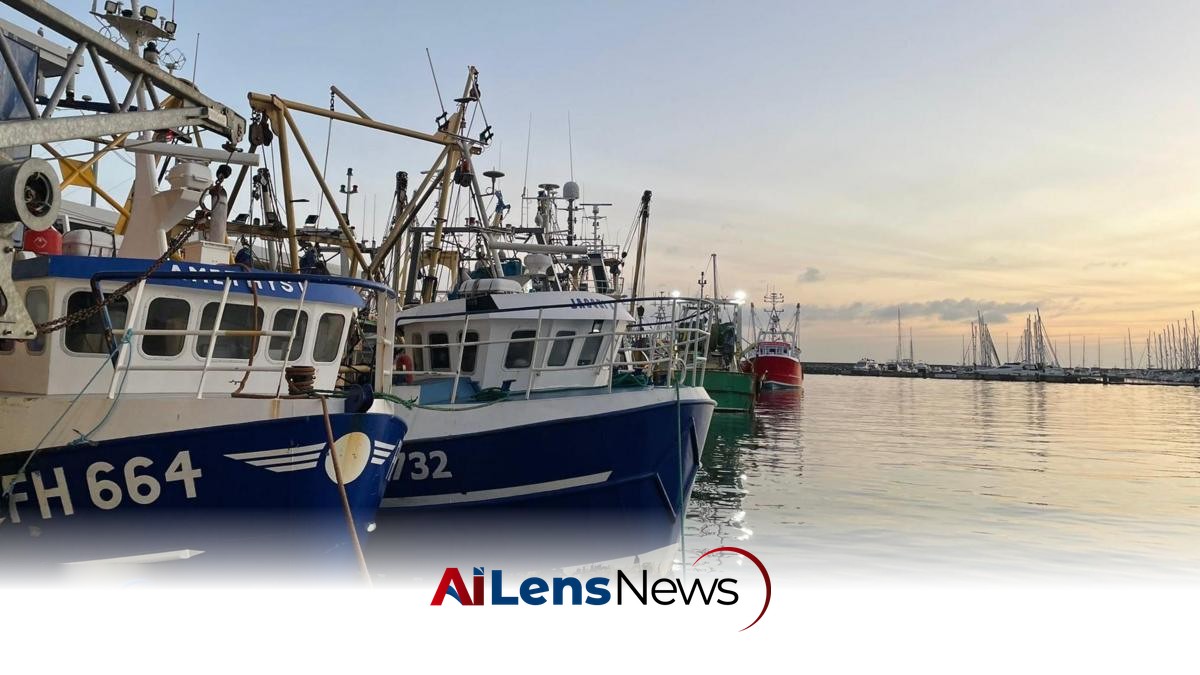


Scientists warn that rising sea temperatures could severely impact marine life in the UK, with temperatures expected to reach 4-5°C above average.
New Delhi, India Jul 8, 2026 ALN: A marine heatwave could reach "extreme" levels around parts of the UK later this week, according to the Met Office, raising concerns for marine life.
Long periods of elevated sea temperatures can trigger mass die-offs among various marine species, including seagrasses and shellfish, while simultaneously encouraging an influx of warm-water species such as octopus. These shifts in marine biodiversity can have profound implications for the ecosystem, affecting food chains and habitat stability.
The current marine heatwave is most pronounced off the coasts of eastern and southern England, where sea temperatures are projected to reach between 4-5°C above average in certain areas. Such temperature anomalies are concerning, as they can disrupt the delicate balance of marine ecosystems.
This marine heatwave has been exacerbated by the presence of "heat domes"—high-pressure systems that have led to record-breaking air temperatures in May and June. These atmospheric phenomena trap heat in localized areas, causing temperatures to spike both on land and at sea. Furthermore, the long-term trend of ocean warming due to climate change is compounding the effects of these temporary heat events.
Marine habitats such as seagrasses and kelp forests thrive in cooler waters, and they are particularly vulnerable to heat stress when temperatures rise sharply. Prolonged exposure to high temperatures can stunt their growth and, in severe cases, lead to mass mortality events. Such losses can have cascading effects on species that depend on these habitats for food and shelter, potentially destabilizing entire ecosystems.
The UK has experienced marine heatwaves—prolonged periods of unusually high sea surface temperatures—on previous occasions. However, scientists express particular concern that this current event could be especially intense and prolonged, particularly in the English Channel and the southern North Sea. These areas are characterized by their relatively shallow waters, which can heat up rapidly in response to elevated air temperatures.
Dr. Zoe Jacobs of the National Oceanography Centre in Southampton noted, "We're starting to see temperatures now that we would expect to see at the height of summer, [at the] end of August. So, if this event keeps coming… we might start seeing some serious impacts on ecological systems." This observation underscores the urgency of monitoring marine conditions, as prolonged heat exposure can lead to irreversible changes in marine biodiversity.
Researchers have also documented longer-term shifts in the UK's marine life, with cool-adapted species such as cod gradually moving northward in search of suitable habitats. In contrast, populations of warm-water species, including octopus, have been increasing around the coastal waters of south-west England. These changes raise questions about the future composition of marine ecosystems and the potential for new species to establish themselves in areas where they were previously absent.
While natural cycles and fishing practices can influence the abundance of marine species, many scientists emphasize the critical role that warming seas play in these changes. Prof. Matt Frost of the Plymouth Marine Laboratory remarked, "It can be exciting to see new species arrive and we all enjoy seeing something like an Atlantic bluefin [tuna] or an octopus. But the problem is we've also got the negative impacts of that." The introduction of new species can disrupt existing food webs and lead to declines in native populations.
Increased octopus populations may present new opportunities for fishermen, but they can also exert pressure on populations of crabs, lobsters, scallops, and other shellfish that serve as their prey. This dynamic illustrates the complex interplay between marine species and the potential for emerging markets to impact traditional fishing practices.
The geographical characteristics of the southern North Sea and the English Channel contribute to their susceptibility to rapid temperature changes. These regions are relatively shallow, allowing them to absorb heat quickly when air temperatures rise. In late May and late June of this year, high-pressure systems settled over Europe, creating conditions that allowed the warmth to be transferred from the atmosphere to the seas.
While extreme marine heatwaves have been relatively rare in the UK historically, the likelihood of such events occurring is increasing as ocean temperatures continue to rise. The UK's seas have been experiencing a gradual warming trend since the 1980s, primarily driven by human-induced climate change. This ongoing shift raises concerns about the future of marine ecosystems and the species that inhabit them.
Dr. Ségolène Berthou, an air-sea interaction specialist at the UK Met Office, warned, "We are likely to see marine heatwave conditions becoming average towards the middle-to-end of the century." This prediction highlights the urgency of addressing climate change, as the frequency and intensity of marine heatwaves are projected to escalate if greenhouse gas emissions continue unabated.
The implications of these changes extend beyond marine life; they also affect coastal communities, fisheries, and economies that rely on stable marine ecosystems. As species distributions shift, fishermen may need to adapt their practices and target different species, which could introduce economic uncertainties. Additionally, the ecological ramifications of changing species dynamics may lead to unforeseen consequences, such as the introduction of diseases or competition among species.
In summary, the expected marine heatwave poses significant risks to the UK's marine ecosystems, with potential long-term consequences for biodiversity, fisheries, and coastal communities. As scientists continue to monitor these changes, the need for proactive measures to mitigate climate change and protect marine habitats becomes increasingly critical. The situation serves as a stark reminder of the interconnectedness of climate systems and the importance of addressing environmental challenges on a global scale.
To learn more about the latest developments in Science & Environment, stay updated with our exclusive reports and analyses on AiLensNews.

