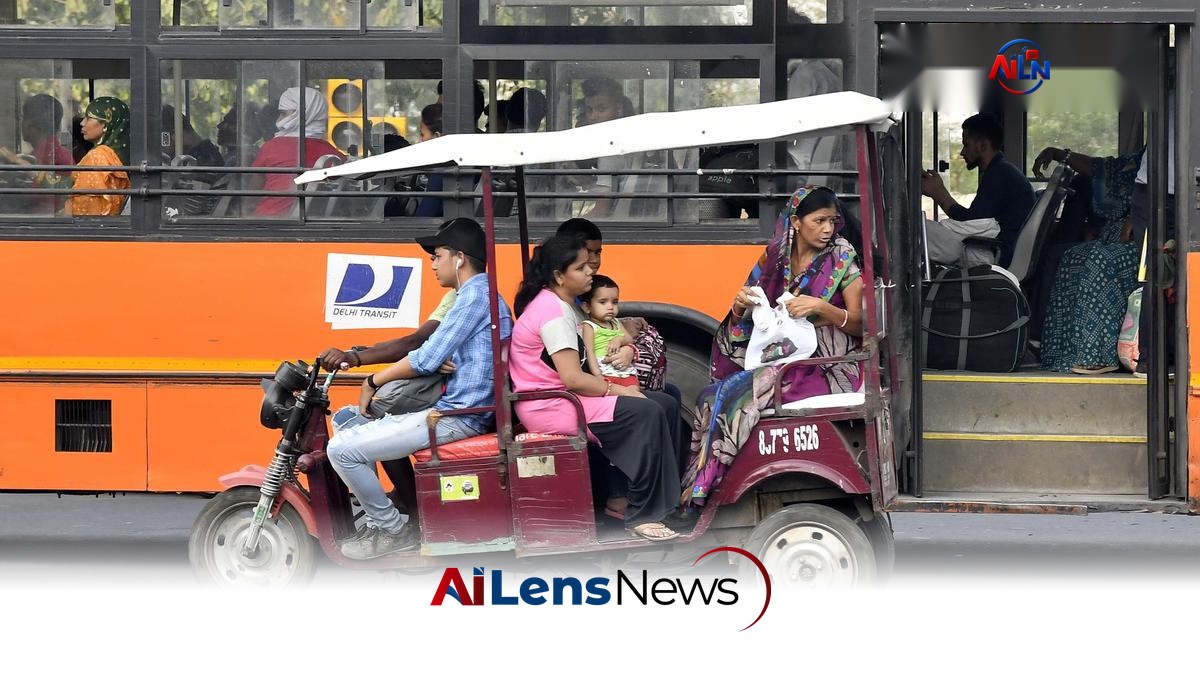


The Indian government has ordered the blocking of battery management apps after incidents of e-rickshaws being remotely disabled led to extortion attempts.
New Delhi, India Jul 4, 2026 ALN: The Union government has taken decisive action by issuing orders to block battery management apps following alarming reports of e-rickshaws being remotely disabled while transporting passengers. This move comes after users discovered that these applications could be exploited to shut down e-rickshaw batteries, raising serious concerns about passenger safety and potential extortion incidents.
In recent years, e-rickshaws have become an increasingly popular mode of transportation in urban areas across India. They are often favored for being environmentally friendly and cost-effective, providing a source of income for many drivers. However, the advent of technology has also introduced vulnerabilities that can be exploited for malicious purposes. The battery management apps in question, which were originally developed to help monitor and manage battery performance, have now become tools for criminal activities.
Many of the apps in question were developed by Chinese firms and were initially designed for legitimate battery management purposes. However, the misuse of these applications has prompted the Ministry to identify specific developers, including Shenzhen Grenergy Technology, Shenzhen Ruichuang Lineng Technology, and Daly BMS. Despite inquiries, these companies have not responded to requests for clarification. The lack of accountability from the developers raises questions about the regulatory oversight of such applications and the potential risks they pose to users.
Experts have raised concerns about whether banning these apps will effectively eliminate the vulnerabilities associated with them. The apps do not require internet access to disable battery units, allowing unauthorized users to hijack and shut off batteries without needing a configured password or PIN. This highlights a significant flaw in the design of these applications, as the lack of robust security measures makes them easily susceptible to exploitation. Furthermore, existing testing standards for e-rickshaws do not incorporate cybersecurity measures, leaving a significant gap in safety protocols. The absence of stringent cybersecurity guidelines in the manufacturing and operational processes of e-rickshaws amplifies the risks faced by drivers and passengers alike.
Lithium-ion battery packs are equipped with management systems that monitor various parameters, including charge, voltage, temperature, and cell health. These systems are vital for ensuring the safe operation of e-rickshaws, but when compromised, they can lead to dangerous situations. Recently, videos circulating on social media platforms, particularly Instagram, have shown e-rickshaws abruptly halting on the road due to this vulnerability, further highlighting the urgency of the situation. Such incidents not only endanger the lives of passengers but also create chaos on busy urban roads, potentially leading to accidents.
A senior government official emphasized that stranding vehicles in this manner constitutes a punishable offense. Regular sections of the Indian Penal Code (IPC) related to criminal mischief will apply in such cases. This legal framework aims to deter individuals from exploiting these vulnerabilities for personal gain. However, the enforcement of these laws can be challenging, especially in a rapidly evolving technological landscape where new methods of exploitation can emerge quickly.
In a notable incident in Ujjain, Madhya Pradesh, local police apprehended an individual who was extorting money from e-rickshaw drivers after using the app to disable their vehicles. Neel Ganga Police Station in-charge Tarun Kuril detailed the modus operandi of the extortion racket, which came to light following a targeted incident at Loti Tiraha. This particular case serves as a stark reminder of the real-world implications of technological vulnerabilities and the need for swift action to protect vulnerable populations.
“We received information that an auto-rickshaw driver’s vehicle had stalled at Loti Tiraha, and a young man charged him ₹200 under the pretext of fixing it. Upon inquiry, the driver revealed that e-rickshaws in the city are currently being shut down remotely — specifically, their batteries are being disabled via a mobile app. Some miscreants use this app to immobilize the vehicles and then demand money to restart them,” Mr. Kuril explained. This incident underscores the pressing need for regulatory measures to enhance the cybersecurity of e-rickshaws and protect both drivers and passengers from potential exploitation.
The implications of this situation extend beyond individual incidents of extortion. The safety and security of e-rickshaw operations are critical not only for the drivers and passengers involved but also for the broader public perception of e-mobility solutions. If e-rickshaws, which are often seen as a sustainable alternative to traditional fossil fuel-powered vehicles, are perceived as unsafe due to technological vulnerabilities, it could hinder their adoption and growth in urban transport systems.
As the government moves to block these battery management apps, there is a pressing need for a comprehensive approach to address the underlying cybersecurity issues. This could involve developing new regulations that mandate the inclusion of cybersecurity measures in the design and operation of e-rickshaws and other electric vehicles. Additionally, there is a need for collaboration between government authorities, manufacturers, and cybersecurity experts to create robust solutions that can protect users from similar vulnerabilities in the future.
Moreover, public awareness campaigns are essential to educate drivers and passengers about the risks associated with these apps and the importance of using verified and secure battery management solutions. As technology continues to evolve, it is crucial for all stakeholders to remain vigilant and proactive in addressing potential threats to ensure the safety and reliability of e-rickshaw services.
In conclusion, while the government's decision to block battery management apps is a necessary step towards enhancing passenger safety and preventing extortion, it is only the beginning of a much larger conversation about cybersecurity in the realm of e-mobility. The ongoing developments in this area will require careful monitoring and a collaborative effort to foster a secure and sustainable future for electric transportation in India.
To learn more about the latest developments in Crime & Law, stay updated with our exclusive reports and analyses on AiLensNews.

