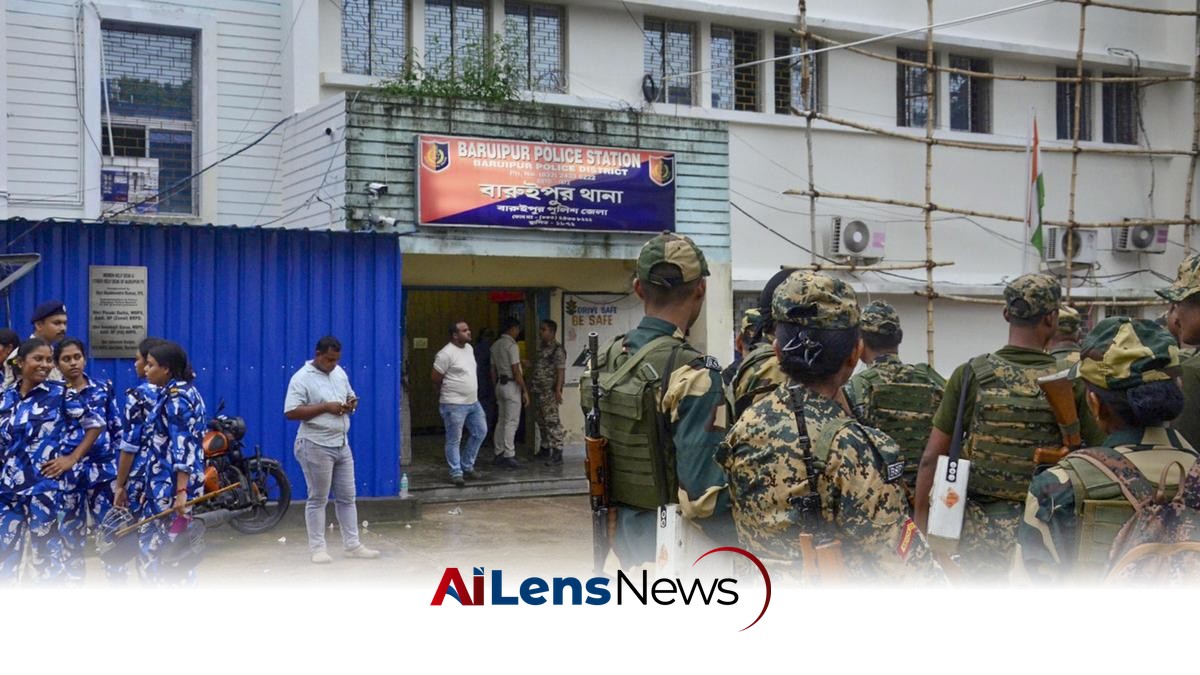


Bengal Police intensify investigation into the Baruipur rape-murder case, examining a shack as a potential crime scene.
New Delhi, India Jul 7, 2026 ALN: Investigators probing the alleged rape and murder of an 11-year-old girl at Baruipur in West Bengal's South 24 Parganas district have intensified their efforts. The incident, which occurred on July 4, 2026, has raised significant concerns regarding safety and law enforcement in the area. This tragic case has not only captured the attention of local residents but has also drawn widespread media coverage, prompting discussions about child safety, crime rates, and police efficacy in West Bengal.
The girl, whose identity has been withheld for legal reasons, was reported missing by her family shortly before her body was discovered. According to police reports, one of the accused is suspected of taking the victim to a shack where two other suspects were already present before the crime took place. The three arrested individuals are currently being interrogated as investigators await forensic and viscera examination reports. The nature of the crime, particularly its brutality, has sparked outrage among community members, who are demanding swift justice.
“An investigation is underway based on evidence collected from the scene, witness statements, and scientific examinations. We are verifying the exact sequence of events and the individual roles of each accused,” stated a senior police officer involved in the case. The police have been working diligently to piece together the timeline of events leading up to the crime, which is critical in understanding how such a heinous act could occur in a community setting.
It has been reported that the three accused allegedly consumed intoxicants prior to the assault on the minor. The preliminary post-mortem report revealed injuries on the victim, prompting investigators to examine the circumstances surrounding these injuries and await the final medical opinion. The involvement of drugs in the crime raises questions about the mental state of the accused and their ability to comprehend the gravity of their actions.
“The accused allegedly attempted to dispose of the victim late on Saturday night,” the officer added. It is suspected that she was kept inside the shack before an attempt was made to dispose of her body. Circumstantial evidence suggests that they tried to carry her in a plastic sack, but after it tore, they allegedly discarded her into a nearby pond. This detail is particularly chilling, as it indicates a level of premeditation and a complete disregard for human life.
A probe is ongoing to ascertain whether the crime took place inside the shack. Preliminary findings from the post-mortem examination indicate ante-mortem drowning, suggesting that the victim was alive when she was thrown into the water. This revelation has further fueled public outrage, as it highlights the extreme cruelty involved in the crime. “However, definitive conclusions will be drawn after the forensic examination and viscera reports are received,” the officer noted. Investigators suspect that the victim may have lost consciousness due to her injuries before being thrown into the pond. The presence of water in the lungs and stomach, as mentioned in the preliminary report, is currently under examination.
The role of law enforcement in this case has come under scrutiny, particularly regarding the response time after the girl was reported missing. State Director General of Police (DGP) Siddh Nath Gupta visited the suspected crime scene on July 7, 2026, accompanied by members of a Special Investigation Team (SIT). He described the incident as a "sensitive case" and emphasized the importance of allowing the investigation to progress without interference. This statement reflects an awareness of the delicate balance between public pressure for justice and the necessity for a thorough and unbiased investigation.
On the allegations made by the victim's parents regarding police inaction after their daughter went missing, the West Bengal Police chief stated, "We will look into this aspect. If there are allegations that the police response was delayed, we will conduct an inquiry and take appropriate action." This commitment to transparency is crucial in rebuilding community trust, especially in light of the rising crime rates against women and children in various parts of India.
The body of the victim, who had been missing for a day, was found stuffed in a sack in the Surjyapur Haat area on July 5, 2026. This discovery triggered protests from locals, who blocked the Baruipur-Joynagar Road, burned tires, and damaged police vehicles, demanding the arrest of the accused. The community's reaction underscores the collective grief and anger felt by residents when a child is victimized in such a horrific manner. It also reflects a growing frustration with the perceived inadequacy of the justice system in handling crimes against women and children.
In a tragic turn of events, hours after the girl's body was recovered, a man was beaten to death by angry locals on suspicion of involvement in the victim's death. This vigilante justice highlights the desperation and anger of the community, but it also raises serious concerns about mob mentality and the dangers of taking the law into one's own hands. Such incidents can lead to further violence and unrest, complicating the already challenging landscape of law enforcement in the region.
The implications of this case extend beyond the immediate tragedy. It brings to light the urgent need for enhanced protective measures for children, better training for law enforcement personnel, and more robust support systems for victims and their families. The West Bengal government, along with various NGOs, may need to reassess current policies and implement new strategies to prevent similar incidents in the future.
As the investigation continues, the West Bengal Police are under scrutiny to ensure that justice is served and that such incidents are prevented in the future. The community's demand for accountability and transparency will be crucial in shaping the response of local authorities. Moreover, this case serves as a grim reminder of the vulnerabilities faced by children in society and the need for collective action to safeguard their rights and well-being.
As discussions around this case unfold, it is essential for the media and public discourse to remain focused on the systemic issues that contribute to such violence. The societal attitudes towards women and children, the effectiveness of the criminal justice system, and the role of community engagement in preventing crime are all critical factors that need to be addressed. Only through a comprehensive approach can we hope to create a safer environment for future generations.
To learn more about the latest developments in Crime & Law, stay updated with our exclusive reports and analyses on AiLensNews.

