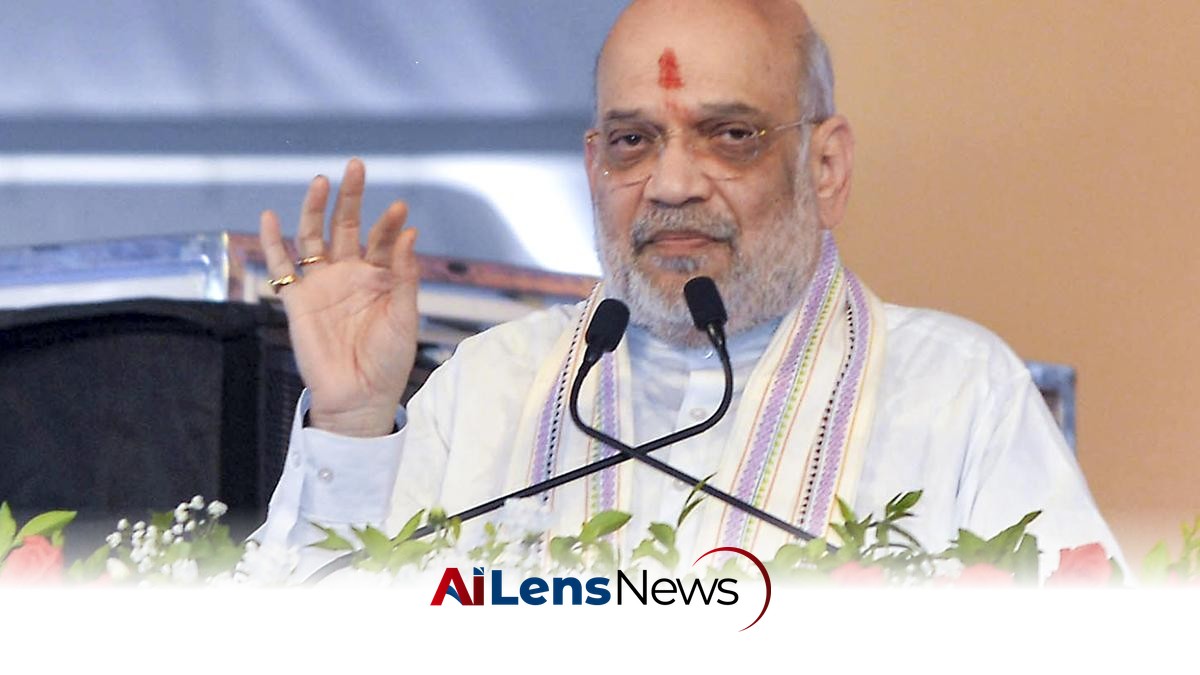


Amit Shah will inaugurate key initiatives, including 47 grain storage facilities and AI platforms, marking five years of the Ministry of Cooperation.
New Delhi, India Jul 6, 2026 ALN: Union Home and Cooperation Minister Amit Shah is set to lay the foundation stone for 47 grain storage godowns and inaugurate several major projects on Monday, July 6, 2026, marking the completion of five years of the Ministry of Cooperation. This milestone is significant not only for the Ministry but also for the broader agricultural and cooperative sectors in India, which are vital to the country's economy and rural development.
The Ministry of Cooperation was established on July 6, 2021, with the aim of promoting cooperative societies and enhancing their contribution to the economy. Over the past five years, the Ministry has implemented various initiatives designed to strengthen the cooperative framework in India, focusing on agriculture, dairy, and other sectors. The establishment of the Ministry itself was a strategic move by the government to streamline and enhance the cooperative sector, which has historically been a backbone of rural economies in India.
Among the key initiatives that Amit Shah will launch is a centralized core banking platform, which aims to modernize the banking capabilities of cooperative banks, allowing them to offer more efficient services to their members. Additionally, the launch of Sahakar Sahyogi, a conversational AI-powered platform tailored for Urban Cooperative Banks, signifies a push towards digital transformation within the cooperative banking sector. This initiative is expected to streamline customer interactions and enhance service delivery, making it easier for members to access banking services.
The Ministry has emphasized the importance of collaboration with state governments as a pivotal element in the successful implementation of its initiatives over the past five years. This collaborative approach is crucial in addressing the diverse needs of the cooperative sector across different states, each of which may have unique challenges and opportunities. The focus on state cooperation aligns with the government's broader strategy of decentralized governance, ensuring that local needs and priorities are met effectively.
One of the flagship programs under the Ministry's purview is the White Revolution 2.0, which aims to significantly boost milk procurement in India by 50% over the next five years. This ambitious goal is part of a larger strategy to empower rural economies, generate employment, and enhance the livelihoods of women in the dairy sector. The Ministry has reported the registration of over 25,282 Dairy Cooperative Societies (DCSs) across 31 States and Union Territories, which is a testament to the growing cooperative movement in the dairy industry.
The White Revolution 2.0 is a continuation of the original White Revolution, which transformed India into one of the largest producers of milk in the world. The new initiative seeks to build on this legacy by expanding cooperative coverage and improving the infrastructure necessary for dairy production and distribution. By empowering women and generating employment, the initiative also aims to address gender disparities in rural areas, promoting inclusive growth.
To further enhance the sustainability of the dairy sector, the Ministry has introduced several initiatives, including the registration of new multi-State cooperatives focused on dairy inputs and manure management. These cooperatives are expected to play a crucial role in optimizing resources and improving the overall efficiency of dairy farming. The creation of the Sardar Patel Cooperative Dairy Federation Limited (SPCDF) is another significant step, aiming to connect over 20 lakh dairy farmers from more than 20,000 villages across 20 States to a structured cooperative framework. This initiative is designed to facilitate better access to resources, markets, and support services for dairy farmers.
White Revolution 2.0 is one of the 151 initiatives undertaken by the Ministry since its inception. Amit Shah, as the first Minister of Cooperation, has played a pivotal role in steering these initiatives, which are aimed at revitalizing the cooperative sector and enhancing its contribution to the economy. His leadership has been instrumental in fostering a cooperative spirit among various stakeholders, including farmers, entrepreneurs, and government agencies.
In addition to dairy initiatives, the Ministry has also made strides in enhancing the operational capabilities of Urban Cooperative Banks (UCBs). These banks can now open additional branches without requiring prior approval from the Reserve Bank of India (RBI), which is expected to facilitate greater accessibility to banking services in urban areas. Furthermore, UCBs are now equipped to offer doorstep banking services and provide higher-value housing loans, making them more competitive in the financial services landscape.
The integration of cooperative banks into the Credit Guarantee Fund Trust for Micro and Small Enterprises (CGTMSE) framework is another noteworthy development. This integration provides credit guarantee cover of up to 85% of the loan amount, thereby reducing lending risks for cooperative banks. This change is particularly significant for small businesses that often face challenges in accessing formal credit. By enabling cooperative sector enterprises to obtain loans without the need for collateral, the government is promoting entrepreneurship and economic growth at the grassroots level.
Moreover, the eligibility criteria for cooperative banks to become Member Lending Institutions under the CGTMSE scheme have been relaxed, allowing a broader range of institutions to participate in credit delivery. This move is expected to enhance the financial inclusion of small businesses and entrepreneurs, providing them with the necessary resources to grow and thrive.
The strengthening of Primary Agricultural Credit Societies (PACS) has also been a focus of the Ministry's efforts. Transforming PACS into multi-purpose rural institutions has allowed them to undertake a wider range of business activities, thereby increasing their relevance and utility in rural communities. The introduction of model by-laws has facilitated this transformation, enabling PACS to engage in more than 25 different business activities. A nationwide computerization drive has also brought over 63,000 PACS onto a common ERP-based platform, improving operational efficiency and transparency.
The government has actively promoted the establishment of new PACS, dairy, and fishery cooperatives, resulting in the registration of more than 37,000 such societies since 2023. This growth reflects the government's commitment to enhancing the cooperative sector's role in rural development. By integrating PACS with various government services and schemes, including Common Service Centres (CSCs), PM Bharatiya Jan Aushadhi Kendras, PM Kisan Samriddhi Kendras, LPG distributorships, fuel outlets, and rural water supply management, the government aims to position PACS as central hubs for economic activity and service delivery in rural India.
In February 2026, the Ministry launched Bharat Taxi, an initiative designed to operate on a “zero commission” model. This innovative approach allows drivers to retain the full fare, thereby eliminating the need to pay commissions to aggregators. Promoted by the Cooperative Development Corporation (NCDC) in collaboration with major cooperative institutions such as IFFCO, NAFED, Amul, KRIBHCO, NDDB, NCEL, and NABARD, Bharat Taxi seeks to provide drivers with greater income security and a stake in the cooperative enterprise. This initiative not only supports drivers but also encourages the growth of cooperative models in the transportation sector.
According to a Ministry official, the Bharat Taxi platform has already registered more than 6.37 lakh drivers and 35.77 lakh customers, and it is operational in several major cities, including Delhi-NCR, Mumbai, Jaipur, Lucknow, and Chandigarh. The success of this initiative highlights the potential of cooperative models to disrupt traditional business practices and create more equitable economic opportunities for individuals in various sectors.
As the Ministry of Cooperation celebrates its fifth anniversary, the initiatives being launched by Amit Shah reflect a comprehensive strategy aimed at empowering cooperative societies, enhancing financial inclusion, and promoting sustainable agricultural practices. The implications of these initiatives are far-reaching, as they not only aim to uplift rural economies but also contribute to the overall growth and stability of the Indian economy. By focusing on cooperation, the Ministry is fostering a culture of collective progress that has the potential to transform the lives of millions across the country.
To learn more about the latest developments in Politics, stay updated with our exclusive reports and analyses on AiLensNews.

