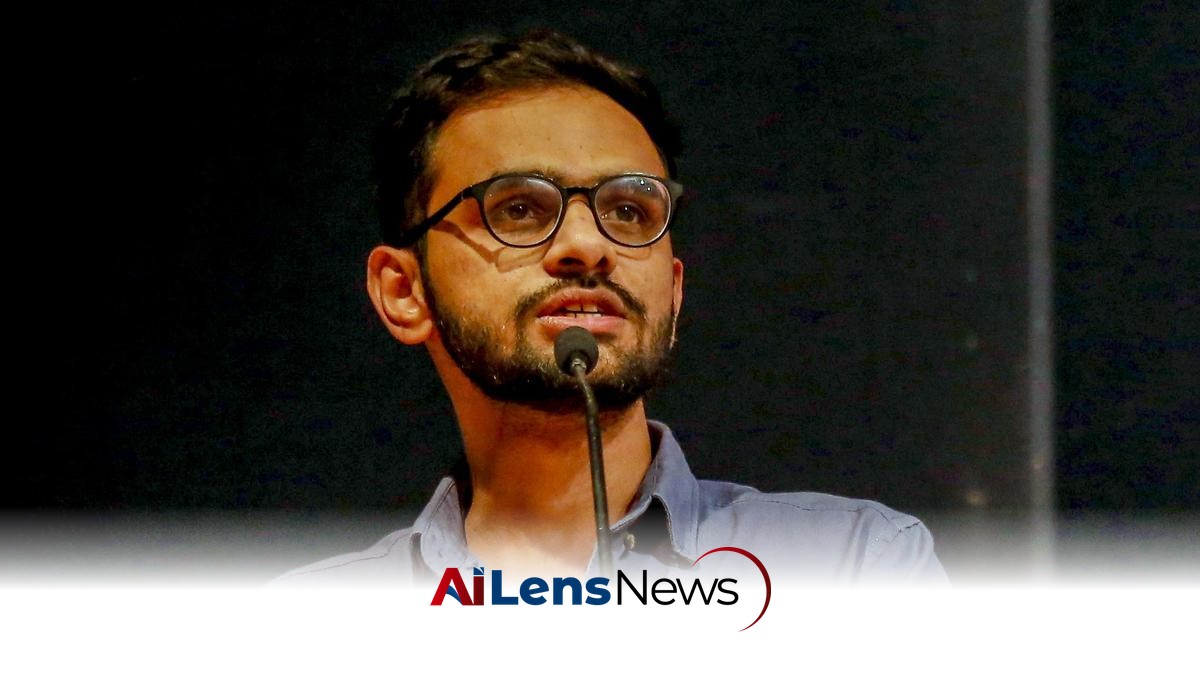


A Delhi court denies bail to Umar Khalid and Sharjeel Imam in the 2020 riots case, citing conspiracy and violence claims.
New Delhi, India Jul 4, 2026 ALN: A Delhi court on Saturday (July 4, 2026) rejected the fresh bail applications filed by activists Umar Khalid and Sharjeel Imam, who are accused in a larger conspiracy case related to the 2020 North East Delhi riots. This decision has significant implications for the ongoing legal proceedings surrounding the riots, which have been a focal point of political and social discourse in India.
Denial of Bail
Additional Sessions Judge Sameer Bajpai denied the relief to both accused after hearing arguments from both sides regarding the bail applications. Khalid and Imam had filed for bail following objections raised by a Supreme Court bench to a coordinating bench’s previous order denying them bail. This rejection is part of a broader judicial scrutiny of the application of anti-terror laws in India, particularly the Unlawful Activities (Prevention) Act (UAPA), which has been criticized for its potential misuse against dissenters.
Both men were booked under the UAPA for allegedly being among the “masterminds” behind the February 2020 Delhi riots, which resulted in 53 fatalities and over 700 injuries. The riots were triggered by widespread protests against the Citizenship (Amendment) Act (CAA), which many perceived as discriminatory against Muslims. The violence that ensued not only led to loss of life but also property destruction and deepened communal divides in the city.
Arguments for Bail
Khalid and Imam contended that their continued incarceration without the commencement of the trial violates their fundamental right to liberty. Khalid’s plea argued that despite the Supreme Court rejecting his earlier application, subsequent judicial developments represented a “change in circumstances.” He referenced the court’s remarks in May in another case, which asserted that “bail is the rule” even under the UAPA. This reflects a growing sentiment within parts of the judiciary that emphasizes the need for a careful and judicious approach to bail in cases involving serious charges.
In his application, Imam noted that there has been no “significant development” in the proceedings even six months after the Supreme Court denied him bail, highlighting that he has been in custody for nearly six years without charges being framed. This situation raises critical questions about the rights of individuals accused under stringent laws, especially when delays in the judicial process can lead to prolonged detention without trial.
Similarly, Khalid cited prolonged incarceration and delays in the trial, stating he has spent nearly six years in custody without charges being framed. The implications of such delays are profound, as they not only affect the lives of the accused but also reflect on the efficiency and responsiveness of the judicial system in handling high-profile cases.
Judicial Observations
The plea referred to the apex court’s observations in its May 18 order in a terror-related case. While granting bail to another accused, a two-judge bench criticized a January 5 verdict and emphasized that anti-terror laws should not be used as a tool for indefinite detention. This judicial perspective aligns with inter human rights norms that advocate for the right to a fair trial and the presumption of innocence until proven guilty.
Prosecution's Stance
The Delhi Police, represented by Solicitor General Tushar Mehta and Additional Solicitor-General S.V. Raju, characterized Khalid and Imam as the “intellectual architects” of the alleged conspiracy. The prosecution argued that the scale of violence, the degree of preparation involved, and the intent behind it left “no doubt” that the conspiracy extended far beyond civil demonstrations against the Citizenship (Amendment) Act (CAA), 2019. This assertion is critical as it seeks to establish a narrative that frames the protests not merely as spontaneous civil unrest but as a coordinated effort to undermine public order.
However, the accused maintained that they were exercising their constitutional right to protest and had no role in inciting violence. This defense underscores the ongoing debate in India regarding the boundaries of dissent and the right to free expression, particularly in the context of political activism. The events surrounding the riots have sparked discussions about the role of the state in managing dissent and the responsibilities of citizens in a democratic society.
The refusal of bail to Khalid and Imam also reflects a broader trend in the judicial handling of cases related to the 2020 riots. The legal proceedings have attracted significant media attention and public scrutiny, raising concerns about the politicization of justice and the implications for civil liberties in India. As the country grapples with issues of communal tension and social justice, the outcomes of such high-profile cases will likely influence public perception and trust in the legal system.
Furthermore, the case of Khalid and Imam is emblematic of a larger struggle faced by activists and dissenters in India, particularly those who oppose governmental policies viewed as discriminatory. The use of laws like the UAPA has been criticized for stifling dissent and creating a chilling effect on free speech. The implications of the court's decisions in this case may resonate beyond the immediate context, potentially shaping future legal standards and the treatment of activists in India.
As the legal battle continues, the focus will remain on the balance between security concerns and the preservation of civil liberties. The rejection of bail applications may set a precedent for similar cases in the future, influencing how courts interpret anti-terror laws and the rights of the accused. It remains to be seen how the judicial landscape will evolve in response to these ongoing challenges, and what this means for the future of activism and protest in India.
Background on the 2020 Delhi Riots
The 2020 Delhi riots erupted in February during protests against the Citizenship (Amendment) Act (CAA), which was passed by the Indian Parliament in December 2019. The CAA provides a pathway to Indian citizenship for non-Muslim refugees from neighboring countries, which has led to accusations that the law is discriminatory against Muslims. The protests, which began peacefully, escalated into violent clashes between different communities, primarily s and Muslims, leading to widespread destruction.
The violence lasted for several days, resulting in significant loss of life and property. The aftermath of the riots saw numerous arrests and a crackdown on dissent, with many activists and protestors being charged under the UAPA and other stringent laws. The events have been characterized by many as a watershed moment in Indian politics, raising questions about religious tolerance, the role of the state in regulating dissent, and the future of secularism in India.
This case has not only drawn attention to the individuals involved but has also become a litmus test for the Indian judiciary's approach to civil rights and the treatment of dissenters. As the legal proceedings unfold, they will likely continue to spark debate and discussion about the balance between security, public order, and individual rights in a democracy.
Political Implications
The ongoing legal battles of Khalid and Imam also carry significant political implications. The handling of their cases may be perceived as indicative of the current government's stance on dissent and civil liberties. Critics argue that the use of laws like the UAPA reflects a broader trend of suppressing opposition and curtailing freedoms in India. Conversely, proponents of the government's approach argue that such measures are necessary to maintain public order and security in a time of rising extremism.
As public discourse continues to evolve around these issues, the outcomes of the bail applications and subsequent trials will likely influence the political landscape in India, particularly in the context of upcoming elections and the broader struggle for civil rights. The cases of Khalid and Imam may serve as galvanizing points for various social movements, potentially shaping the strategies and narratives of political parties in India.
In conclusion, the rejection of bail for Umar Khalid and Sharjeel Imam is not merely a legal decision but a reflection of the complex interplay between law, politics, and society in contemporary India. As the legal proceedings continue, the implications will reverberate across various spheres, influencing public perception, judicial practices, and the future of activism in the country.
To learn more about the latest developments in Crime & Law, stay updated with our exclusive reports and analyses on AiLensNews.

