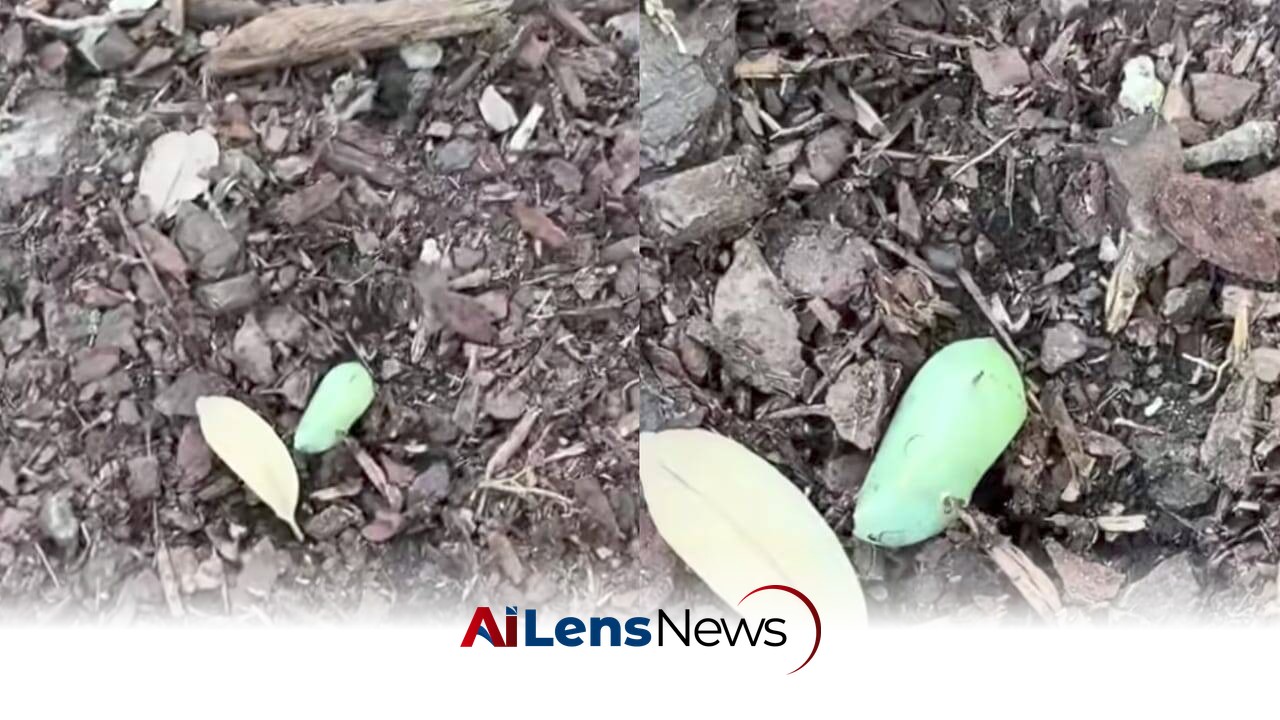


A gardener's routine turned extraordinary with the discovery of a camouflaged chrysalis, revealing the beauty of nature in her backyard.
New Delhi, India Jul 3, 2026 ALN: A gardener's routine turned extraordinary with the discovery of a camouflaged chrysalis. Initially mistaken for garden debris, the green lump revealed a developing butterfly within. This remarkable find highlights how backyards can be vital habitats for fragile creatures, serving as a sanctuary for various forms of that often go unnoticed. The simple act of gardening can lead to profound discoveries, reminding us of nature's hidden wonders that lie just beneath the surface.
The patient observation of its emergence offers a beautiful reminder to look closer at nature's quiet wonders, even in the most ordinary places. Gardens, whether large or small, can be teeming with , and each element plays a role in the ecosystem. The presence of a chrysalis signifies that the garden is not merely an aesthetic space but a thriving environment that supports biodiversity. Such encounters can spark curiosity and encourage individuals to learn more about the cycles of insects and the roles they play in our ecosystems.
The discovery of a chrysalis in a garden is not just a delightful surprise; it also serves as an important reminder of the intricate cycles that many insects undergo. Butterflies, for instance, experience a fascinating transformation known as metamorphosis, which consists of four distinct stages: egg, larva (caterpillar), pupa (chrysalis), and adult butterfly. Each stage plays a crucial role in the development of the butterfly, and finding a chrysalis in one's garden can signify a healthy ecosystem, as it indicates that the area supports the necessary conditions for these insects to thrive. This process of metamorphosis is an extraordinary transformation that showcases the incredible adaptability and resilience of nature.
Chrysalises are often well-camouflaged, blending into their surroundings to evade predators. This particular green lump, which initially appeared to be just another piece of garden debris, is a perfect example of how nature cleverly adapts to ensure the survival of its species. The coloration and texture of a chrysalis can vary depending on the species of butterfly. For instance, the chrysalis of a monarch butterfly is typically a vibrant green with gold accents, while others may be brown or even resemble twigs or leaves. This camouflage is a critical survival strategy, allowing butterflies to avoid being detected by birds and other predators that might disrupt their development.
Backyards and gardens can serve as vital habitats for a variety of wild, including butterflies, birds, and bees. The presence of a chrysalis indicates that the garden is not just a space for growing plants but is also a thriving ecosystem that supports various forms of . This discovery can encourage gardeners and nature enthusiasts to consider how they can make their own spaces more inviting to wild. Simple actions such as planting native flowers, providing water sources, and avoiding pesticides can significantly enhance biodiversity. The choice of plants is particularly important; native species often provide the best food sources and habitats for local wild, fostering a more sustainable environment.
As the chrysalis develops, it undergoes significant changes. Inside, the caterpillar’s body is being broken down and reformed into the structure of a butterfly. This process can take anywhere from a few days to several weeks, depending on the species and environmental conditions. The anticipation of witnessing a butterfly emerge from its chrysalis can be an exhilarating experience, providing an opportunity for education and connection with nature. For many families, this can become a cherished learning experience, fostering a sense of wonder and appreciation for the natural world.
For many, the emergence of a butterfly serves as a metaphor for transformation and renewal. This symbolism resonates with various cultures and philosophies around the world. Observing this natural phenomenon can inspire individuals to reflect on their own lives and the changes they are undergoing. The act of watching a butterfly emerge from its chrysalis is not just an observation of nature but can also be a moment of personal introspection and growth. The butterfly's journey from a caterpillar to a fully formed butterfly mirrors the human experience of change, resilience, and the beauty of new beginnings.
Moreover, this discovery underscores the importance of conservation efforts aimed at protecting butterfly populations, many of which are facing threats from habitat loss, climate change, and pesticide use. Organizations dedicated to butterfly conservation emphasize the need for public awareness and involvement in protecting these delicate creatures. By sharing their experiences, individuals can inspire others to take action, whether by creating butterfly gardens, participating in citizen science projects, or advocating for policies that protect natural habitats. Engaging in conservation efforts can foster a sense of community among nature lovers and encourage collaborative actions to protect the environment.
In addition to butterflies, gardens can attract a diverse range of pollinators, including bees and hummingbirds. These creatures play a crucial role in the pollination of many plants, which is essential for food production and maintaining healthy ecosystems. The interconnectedness of these species highlights the importance of preserving biodiversity in our backyards and communities. Pollinators are vital not only for the health of wild plants but also for agricultural systems that rely on their activities for crop production. The decline of pollinator populations has raised concerns among scientists and conservationists, making it imperative to create environments that support their survival.
Furthermore, the act of gardening itself can have numerous benefits for mental and physical health. Engaging with nature has been shown to reduce stress, improve mood, and enhance overall well-being. The simple act of tending to a garden can provide a sense of purpose and connection to the environment, fostering a greater appreciation for the natural world. Gardening can serve as a therapeutic activity, allowing individuals to escape the stresses of daily and immerse themselves in the beauty of nature. This connection to the earth can promote mindfulness and a sense of fulfillment.
As the butterfly emerges from its chrysalis, it will begin to unfold its wings, which are initially crumpled and wet. The butterfly must pump fluid into its wings to expand them fully. This process is critical, as the wings need to dry and harden before the butterfly can take its first flight. Observing this moment can be a profound experience, demonstrating the resilience and beauty of nature. The first flight of a butterfly is not only a celebration of its transformation but also a reminder of the delicate balance of and the importance of protecting the spaces where these transformations occur.
In conclusion, the discovery of a chrysalis in a garden serves as a reminder of the extraordinary wonders that can be found in everyday . It encourages us to look closely at the natural world, to appreciate the delicate balance of ecosystems, and to take action to protect these vital habitats. Whether through gardening, conservation efforts, or simply observing the beauty of nature, we can all play a role in supporting the fragile creatures that share our world. This story not only captivates nature lovers but also inspires a broader audience to engage with and protect the environment around them. The simple act of nurturing a garden can lead to remarkable discoveries, fostering a deeper understanding of the interconnectedness of and the importance of stewardship for future generations.
To learn more about the latest developments in Home & Living, stay updated with our exclusive reports and analyses on AiLensNews.

