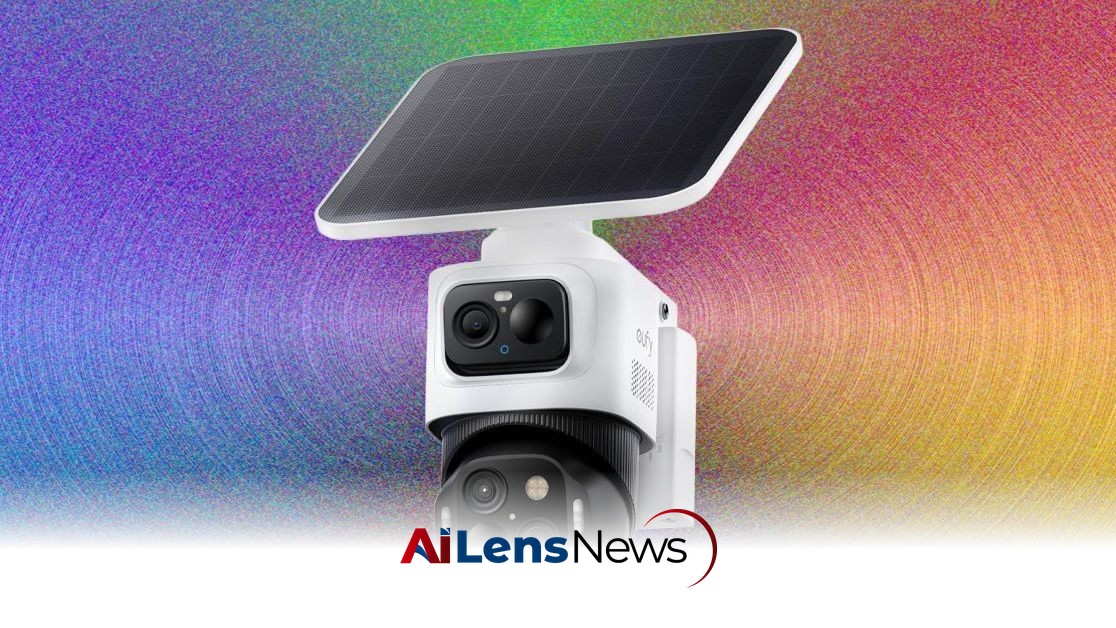


Explore the best subscription-free home security cameras that prioritize local recording, ensuring your footage stays private and secure.
Washington DC, United States Jul 26, 2026 ALN: In the age of state surveillance and Big Tech trampling our data privacy rights, there are plenty of reasons to keep your security camera footage local. Whether you want to save money or ensure your video doesn’t end up in the hands of persons (or AI) unknown, subscription-free security cameras are the way to go. This shift toward local storage solutions is not only a response to consumer demand for privacy but also a reflection of the growing awareness of data security among users.
That used to come at a compromise on the best features to keep your recordings local. But no longer. I’ve been testing security cameras for a decade, and the gap between the best cloud-connected and local cameras is closing. Even AI detection smarts can now be found in local systems. This means that users can enjoy advanced features such as motion detection, facial recognition, and real-time alerts without sacrificing their privacy.
Rather than just listing cameras, I’m highlighting four manufacturers to consider that I've tested. I will single out a few specific cameras I like, but most brands have a wide selection of options to suit different scenarios and budgets, so I’ll discuss a few alternatives beyond my main picks. I also plan to test more hard systems and local recording options in the months to come, as the technology continues to evolve rapidly.
Updated July 2026: I added Synology as a recommended brand, added details on its encryption options, added mention of IC Realtime, and updated prices and links.
With a very wide range of reliable security cameras, Eufy (a sub-brand of Anker) is my top pick for most folks. They are easy to set up, suitable for all budgets, and support different local storage options. Eufy has made a name for itself by offering user-friendly products that do not require a subscription, allowing customers to save money in the long run.
If you want the most versatile and feature-packed local security camera system, this might be it. These triple-lens cameras combine a 4K fixed main lens that has a 130-degree field of view, with dual 2K lenses that pan through 360 degrees and tilt through 70 degrees. You can zoom in on subjects or license plates more than 150 feet away. These cameras will reliably track subjects and return to fixed preset positions, and you don’t have to worry about missing anything in the usual view because of the fixed lens. This level of capability is particularly beneficial for users who need comprehensive coverage of their property.
Features include onboard AI for reasonably accurate human, pet, and vehicle detection, configurable activity zones, and detection sensitivity controls. Each camera has 32 GB of built-in storage (expandable to 256 GB via microSD). Pair these cameras with Eufy’s HomeBase S380, and you get 16 GB of storage (expandable to 16 TB with hard drives) and local facial recognition. This combination of storage options and advanced features makes Eufy cameras appealing for both residential and small business applications.
The Eufy S4 Max ($1,500) is a Power-over-Ethernet (PoE) version of this camera. The kit includes four cameras, long cables, and an NVR with 2 TB of storage (expandable to 16 TB and 16 channels). It gives you all the benefits of the wireless version but doesn’t rely on Wi-Fi and doesn't need the solar panel, though you must run Ethernet cables to each camera. This setup is ideal for users who prefer a more stable connection and are willing to invest in a more permanent installation.
If you’re fine with fixed cameras, I also like the EufyCam S3 Pro ($550) in a 2-cam kit with the Homebase. The Eufy Floodlight Cam E340 ($220) tops my best floodlight security cameras, and I have the dual-lens Eufy Indoor Cam S350 ($140) in my best indoor security cameras. After some controversy in the past over data breaches and claims about local storage, Eufy improved its security protocols with features like end-to-end encryption and better disclosures on when data is being sent to the cloud. This shift towards transparency is crucial for rebuilding consumer trust.
Synology offers a range of solutions for local recording and security camera management, making it a strong contender in this space. Known primarily for its network-attached storage (NAS) solutions, Synology has expanded into the surveillance market by providing software and hardware that is compatible with a variety of IP cameras. This flexibility allows users to customize their security systems according to their specific needs.
One of the standout features of Synology’s offerings is its Surveillance Station software, which supports a wide range of camera models and provides users with a comprehensive interface for managing their camera feeds. The software allows for advanced features such as motion detection, event notifications, and the ability to create detailed logs of camera activity. This level of functionality appeals to both home users and businesses that require robust security solutions.
Additionally, Synology emphasizes data security and privacy, with features such as encryption for stored footage and secure access protocols. This focus on security is particularly important in an era where data breaches and unauthorized access to surveillance footage are major concerns for consumers.
Moreover, Synology’s solutions are scalable, meaning users can start with a few cameras and expand their systems as needed. This adaptability makes it a suitable option for a wide range of applications, from residential to commercial security. The ability to integrate with existing network infrastructure is also a significant advantage, allowing users to leverage their current setups without substantial additional investment.
TP-Link’s Tapo line is another excellent option for those seeking affordable, subscription-free security cameras. The Tapo cameras are designed to be user-friendly and offer a range of features that make them suitable for various security needs. These cameras typically include features such as night vision, two-way audio, and motion detection, all at competitive price points.
The Tapo C200, for example, is a pan-and-tilt camera that allows users to remotely control the camera's view through a smartphone app. This capability is particularly useful for monitoring larger areas or keeping an eye on pets and children. Additionally, Tapo cameras support local storage via microSD cards, ensuring that users have control over their footage without relying on cloud services.
TP-Link also offers the Tapo C310, an outdoor camera that is weatherproof and equipped with night vision capabilities, making it suitable for year-round use. With its affordable pricing and substantial feature set, the Tapo line is an excellent entry point for users looking to enhance their home security without incurring ongoing costs.
Aqara is known for its smart home products, including a range of security cameras that integrate seamlessly with their other smart devices. Their cameras often feature advanced technology such as motion detection, night vision, and two-way audio, all while maintaining a focus on local storage options.
The Aqara G2H camera, for instance, is a versatile option that works well within a smart home ecosystem. It supports HomeKit and can be integrated with other Aqara devices, allowing for a cohesive smart home experience. The G2H also offers local storage via microSD and supports video recording to Aqara’s hub, making it a flexible choice for users who prioritize both security and smart home integration.
In addition to their cameras, Aqara provides a range of sensors and smart home devices that can enhance overall security. Users can create automated routines that trigger cameras to record when specific events occur, such as when a door opens or a motion sensor is activated. This level of integration can provide users with a comprehensive security solution tailored to their unique needs.
While Eufy, Synology, TP-Link, and Aqara are notable contenders in the subscription-free security camera space, there are several other manufacturers worth considering. Brands such as Reolink, Lorex, and Amcrest also offer a variety of local recording options that cater to different budgets and preferences.
Reolink, for example, is known for its high-resolution cameras and robust features, including solar-powered options for outdoor use. Lorex specializes in complete security systems that include multiple cameras and DVRs for comprehensive coverage. Amcrest provides a range of cameras with high-quality video and user-friendly interfaces, making them suitable for both novice and experienced users.
These manufacturers often provide extensive support and resources, enabling users to set up and manage their systems effectively. As the market for home security cameras continues to evolve, exploring options from various manufacturers can help consumers find the best fit for their specific security needs.
Understanding where your security camera footage is stored is crucial for ensuring privacy and security. Many traditional security cameras store footage on cloud servers, which can expose users to risks such as unauthorized access or data breaches. In contrast, subscription-free security cameras with local storage options allow users to keep their footage on-site, minimizing these risks.
Local storage typically involves using microSD cards, Network Video Recorders (NVRs), or dedicated storage devices like NAS systems. This setup not only provides users with more control over their data but also eliminates ongoing subscription fees associated with cloud storage solutions. Users can access their footage directly from their devices, ensuring that they maintain ownership and control over their recorded content.
Furthermore, local storage options often come with the added benefit of faster access to footage, as users do not have to rely on internet connectivity to view or download their recordings. This can be particularly advantageous in emergency situations where immediate access to footage may be necessary.
The debate between cloud versus local storage for security camera footage is ongoing, with each option presenting its own advantages and disadvantages. Cloud storage offers the convenience of remote access, allowing users to view their footage from anywhere with an internet connection. However, this convenience comes at a cost, both financially and in terms of privacy.
On the other hand, local storage provides users with greater control over their data and eliminates the need for ongoing subscription fees. However, it may require more technical know-how for setup and management, especially for users unfamiliar with networking and storage solutions. The choice between cloud and local storage ultimately depends on individual preferences, technical capabilities, and privacy concerns.
As the use of security cameras becomes more widespread, protecting your privacy is paramount. Users should be aware of the potential risks associated with surveillance technology and take proactive steps to safeguard their data. This includes understanding how data is stored, who has access to it, and what measures are in place to prevent unauthorized access.
When selecting a security camera, look for features such as end-to-end encryption, secure access protocols, and transparency regarding data handling practices. Additionally, regularly updating camera firmware and software can help protect against vulnerabilities that may be exploited by malicious actors.
It’s also important to consider the physical security of the camera itself. Ensure that cameras are installed in secure locations, and consider using tamper-proof mounts or enclosures to prevent unauthorized access or tampering.
In recent years, concerns have been raised about the security of hardware manufactured in certain countries, particularly China. Some consumers worry that devices made in China may be more susceptible to hacking or unauthorized surveillance. While it is essential to consider the origins of your security camera, it is also crucial to evaluate the brand's reputation, security practices, and the specific technologies used in their devices.
Many reputable brands have implemented stringent security measures to protect their products, regardless of where they are manufactured. Consumers should conduct thorough research and choose brands that prioritize security and transparency. Additionally, opting for devices that offer regular firmware updates and robust security features can further mitigate risks associated with hardware vulnerabilities.
In conclusion, the landscape of home security cameras is evolving, with a growing emphasis on local storage solutions that prioritize user privacy and data security. By considering the options from various manufacturers and understanding the implications of storage choices, consumers can make informed decisions that best suit their security needs.
To learn more about the latest developments in Home & Living, stay updated with our exclusive reports and analyses on AiLensNews.

