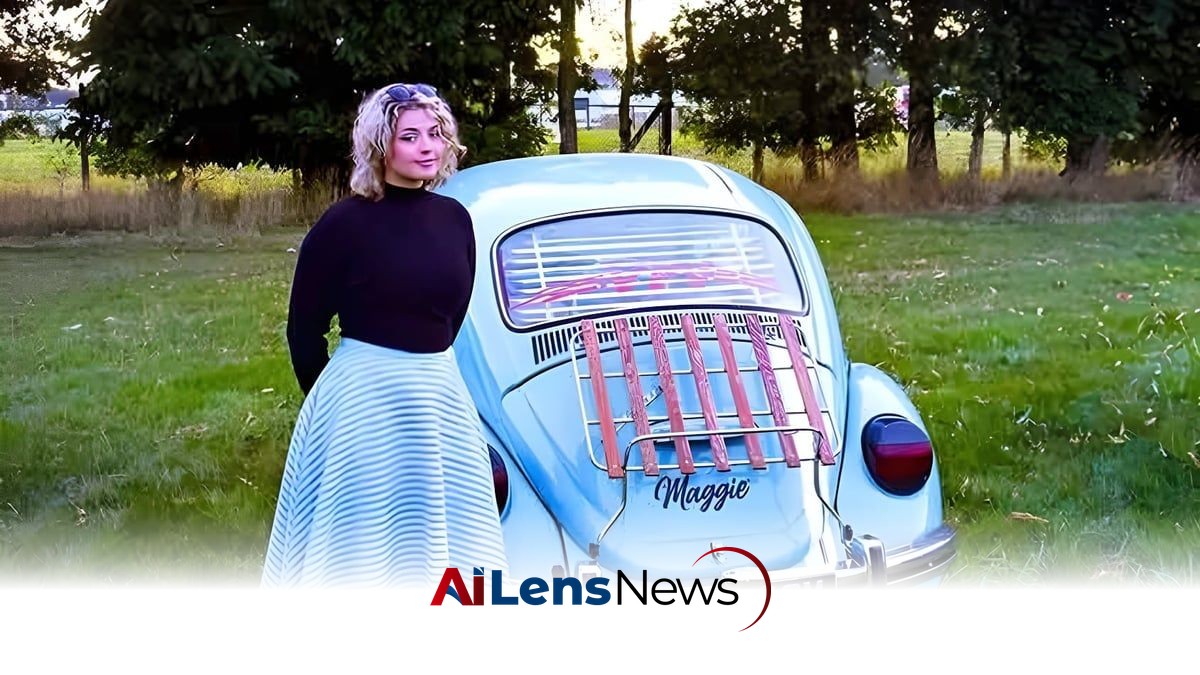


Classic Beetles and campervans are becoming popular among under-30s due to their affordability and simpler mechanics, leading to lower insurance premiums.
London, United Kingdom Jul 21, 2026 ALN: In recent years, classic cars have seen a resurgence in popularity among young drivers, particularly those under 30. Models like the iconic Beetle and vintage campervans are attracting this demographic for several compelling reasons. The allure of classic cars extends beyond mere aesthetics; they represent a lifestyle choice that resonates with a generation seeking authenticity and nostalgia in an increasingly digital world.
One of the primary factors driving this trend is the availability of specialist insurance tailored for classic vehicles. These policies often come at a lower cost compared to standard car insurance, making them an attractive option for budget-conscious young drivers. Traditional car insurance can be prohibitively expensive for younger individuals, who statistically tend to have higher premiums due to inexperience and risk factors associated with their age group. In contrast, classic car insurance is often based on the vehicle's age, value, and limited mileage, which can lead to significant savings.
Moreover, many insurance companies offer flexible policies that cater specifically to the unique needs of classic car owners. These policies might include options such as agreed value coverage, which ensures that the owner receives a predetermined amount in the event of a total loss, rather than the depreciated market value. This can provide peace of mind for young drivers who are investing their savings into these vintage vehicles.
Additionally, classic cars typically feature simpler mechanics, which can make maintenance more straightforward and less expensive. This ease of repair is particularly appealing to younger drivers who may not have extensive automotive knowledge or experience. Many classic cars were built with less complex technology than modern vehicles, which often require specialized tools and training for repairs. As a result, young drivers might find it easier to perform basic maintenance tasks themselves or seek out local mechanics who are familiar with older models. The DIY aspect of classic car ownership can also foster a sense of community among enthusiasts, as many young drivers engage in restoration projects or join clubs dedicated to specific makes or models.
Another significant advantage of classic cars is their slower depreciation rate. Unlike new vehicles that can lose value rapidly, classic models often hold their worth over time, making them a more stable investment for young drivers. While new cars can lose as much as 20% of their value as soon as they are driven off the lot, classic cars can appreciate in value, especially if they are well-maintained and kept in good condition. This potential for appreciation is particularly attractive to young drivers who are looking for a vehicle that not only serves their transportation needs but also represents a sound financial decision.
As a result, many under-30s are turning to these vintage vehicles not just for their charm and character, but also for the financial benefits they offer. The combination of lower insurance costs, easier maintenance, and better long-term value is reshaping the choices of young drivers in the automotive market. This shift in preference highlights a broader trend where practicality and affordability are becoming key considerations for younger generations when selecting their vehicles.
This trend is also reflective of a cultural shift among younger consumers who prioritize sustainability and ethical consumption. Classic cars often embody a sense of timelessness and durability that contrasts sharply with the rapid turnover of modern vehicles, which are frequently designed with planned obsolescence in mind. By choosing a classic car, young drivers may feel they are making a more environmentally friendly choice, as they are opting for a vehicle that has already been manufactured and is often more fuel-efficient than some modern cars.
Furthermore, the rise of social media and online platforms has facilitated a community of classic car enthusiasts who share their experiences, restorations, and tips. This online presence has made it easier for young drivers to connect with others who share their passion, providing a wealth of resources and support for those new to classic car ownership. Platforms such as Instagram and YouTube are filled with content dedicated to classic cars, from restoration projects to driving experiences, further fueling interest among young drivers. This digital community not only inspires potential buyers but also fosters a sense of belonging among enthusiasts.
However, the increase in demand for classic cars among younger drivers also raises questions about the availability and affordability of such vehicles. As more young people enter the market for vintage cars, prices for certain models have begun to rise, potentially making them less accessible to those on a tight budget. This phenomenon is particularly evident in iconic models that have achieved cult status, such as the Volkswagen Beetle and Ford Mustang. The increased demand can lead to a competitive market, where prices may escalate beyond what many young buyers can afford.
Moreover, while classic cars can be a cost-effective choice in terms of insurance and depreciation, they may come with hidden costs that young drivers need to consider. For instance, while maintenance may be simpler, sourcing parts for older vehicles can sometimes be challenging, particularly for rare models. Additionally, classic cars may not have the same safety features as modern vehicles, which could pose risks for inexperienced drivers. Young buyers must weigh these factors carefully when considering their options.
Ultimately, the trend of young drivers opting for classic cars highlights a complex interplay of nostalgia, financial pragmatism, and community engagement. As this demographic continues to embrace the charm and character of vintage vehicles, the automotive market may see further shifts in preferences and practices, influencing everything from manufacturing trends to insurance policies. As classic car ownership becomes more mainstream among younger generations, it will be interesting to observe how this trend evolves and what implications it may have for the future of the automotive industry.
To learn more about the latest developments in Hobbies & Leisure, stay updated with our exclusive reports and analyses on AiLensNews.

