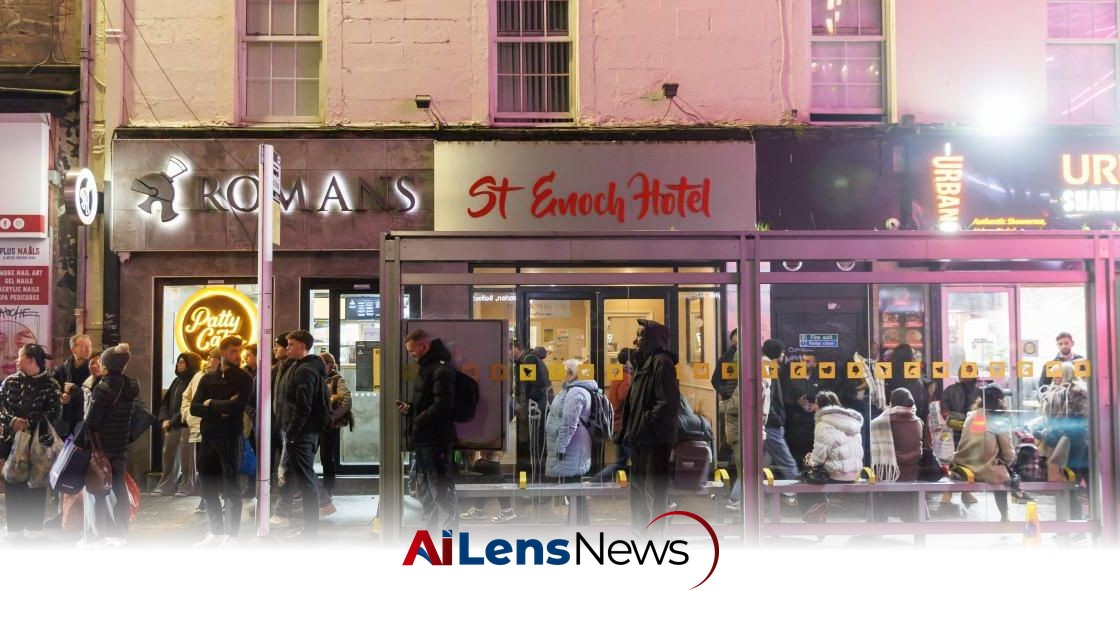


The managing director of Sub Club, Mike Grieve, will lead a new commission to enhance Glasgow's night-time economy, collaborating with key stakeholders.
London, United Kingdom Jul 14, 2026 ALN: The appointment of Mike Grieve as Glasgow's Night-Time Economy Tsar marks a significant step towards revitalizing and enhancing the city’s vibrant nightlife. As the managing director of Sub Club, one of Glasgow's most cherished nightclubs, Grieve brings a wealth of experience and passion to this new role. His leadership is expected to steer a newly formed commission aimed at improving the city’s night-time economy, which is a crucial aspect of Glasgow’s cultural and social fabric.
The night-time economy (NTE) encompasses a wide array of activities that take place after dark, including nightlife, entertainment, and hospitality. It plays a fundamental role in urban economies, contributing to job creation, tourism, and local business growth. In Glasgow, the NTE is particularly significant given the city's reputation for music, arts, and social engagement. The establishment of the Night-Time Commission under Grieve's leadership is intended to provide a structured approach to enhancing this sector.
The Night-Time Commission is composed of a diverse group of professionals from various sectors related to the night-time economy. Notable members include Fiona Ellis from DF Concerts, Katie Duffy, who heads art and music at Glasgow Life, and Stephen McGowan, the head of licensing at TLT LLP. The inclusion of representatives from the Music Venues Trust and other local bodies underscores the collaborative approach the commission aims to adopt. This diverse representation is critical for addressing the multifaceted challenges and opportunities within Glasgow's NTE.
The commission's goals are ambitious yet essential for the growth of Glasgow's night-time economy. It aims to provide leadership, advocate for necessary changes, and work closely with Glasgow City Council and other stakeholders to create a thriving night-time environment. This initiative comes at a time when many cities are re-evaluating their night-time offerings in light of changing social dynamics and economic challenges, particularly those exacerbated by the COVID-19 pandemic.
The commission held its launch event at the Art House Hotel in Glasgow, attended by various stakeholders, including Councillor Susan Aitken, leader of Glasgow City Council. This gathering highlighted the collaborative spirit needed to address the complexities of the night-time economy and the importance of cross-sector partnerships in achieving the commission's objectives.
To bolster the efforts of the Night-Time Commission, Glasgow City Council is set to create a new position: the Glasgow Night-Time Economy Manager. This role is designed to serve as a vital link between the commission and various stakeholders, ensuring that detailed action plans are effectively executed. The establishment of this position signifies a commitment from the city council to prioritize the night-time economy and recognize its importance in the broader context of urban planning and community well-being.
Councillor Aitken emphasized the significance of the night-time industry, stating, “Glasgow’s after-dark industry is the life and soul of the city. No one can underestimate the importance of our night-time offer to Glasgow, whether culturally, socially, or economically.” Her remarks highlight the understanding that a vibrant nightlife is not merely about entertainment; it is integral to the city’s identity and economic health.
Mike Grieve has been a pivotal figure in advocating for the night-time economy through the NTE Sub Group, which has been active for over two years. This group has worked diligently to develop a comprehensive strategy aimed at advancing Glasgow’s night-time economy. It includes a broad spectrum of industry professionals and stakeholders from public and third sectors, reflecting a commitment to inclusivity and collaboration.
Grieve noted that the primary recommendations from the Sub Group included the establishment of a permanent commission to oversee Glasgow’s NTE and the creation of the Night-Time Economy Manager position. His enthusiasm for the initiative is palpable as he stated, “We look forward with enthusiasm to putting in place the building blocks which will drive forward this vision for nightlife in the city.” This forward-thinking approach is essential for adapting to the evolving landscape of urban nightlife.
The establishment of the Night-Time Commission and the recruitment of a dedicated Night-Time Economy Manager are seen as critical investments in Glasgow's future. Councillor Angus Millar, co-chair of Glasgow’s city centre task force, remarked on the city's potential, stating, “Glasgow has a superb night-time offer and the ambition to become a globally recognized 24-hour city.” His comments reflect a broader vision of transforming Glasgow into a destination that attracts visitors not only during the day but also at night.
Mike Kill, chief executive of the Night Time Industries Association, praised Glasgow's initiative, stating, “It’s fantastic to see Glasgow take this huge leap forward in establishing the new NTE Commission and creating a full-time NTE Manager role which will be vital to the development of the city’s night-time and hospitality offer.” His endorsement underscores the importance of such initiatives in fostering a supportive environment for nightlife and hospitality businesses.
As Glasgow embarks on this journey to enhance its night-time economy, it is essential to consider the implications of this initiative. A thriving night-time economy can lead to increased tourism, job creation, and enhanced cultural experiences for residents and visitors alike. However, it also requires careful management to address potential challenges, such as noise complaints, safety concerns, and the need for sustainable practices that ensure the well-being of local communities.
In conclusion, the appointment of Mike Grieve as Glasgow's Night-Time Economy Tsar and the formation of the Night-Time Commission represent a proactive approach to nurturing and growing the city’s nightlife. With a focus on collaboration, strategic planning, and community engagement, Glasgow is poised to enhance its status as a vibrant, dynamic city that celebrates its after-dark culture. The success of this initiative will depend on the collective efforts of all stakeholders involved, as they work together to create a sustainable and thriving night-time economy that benefits everyone in the city.
To learn more about the latest developments in Travel & Adventure, stay updated with our exclusive reports and analyses on AiLensNews.

