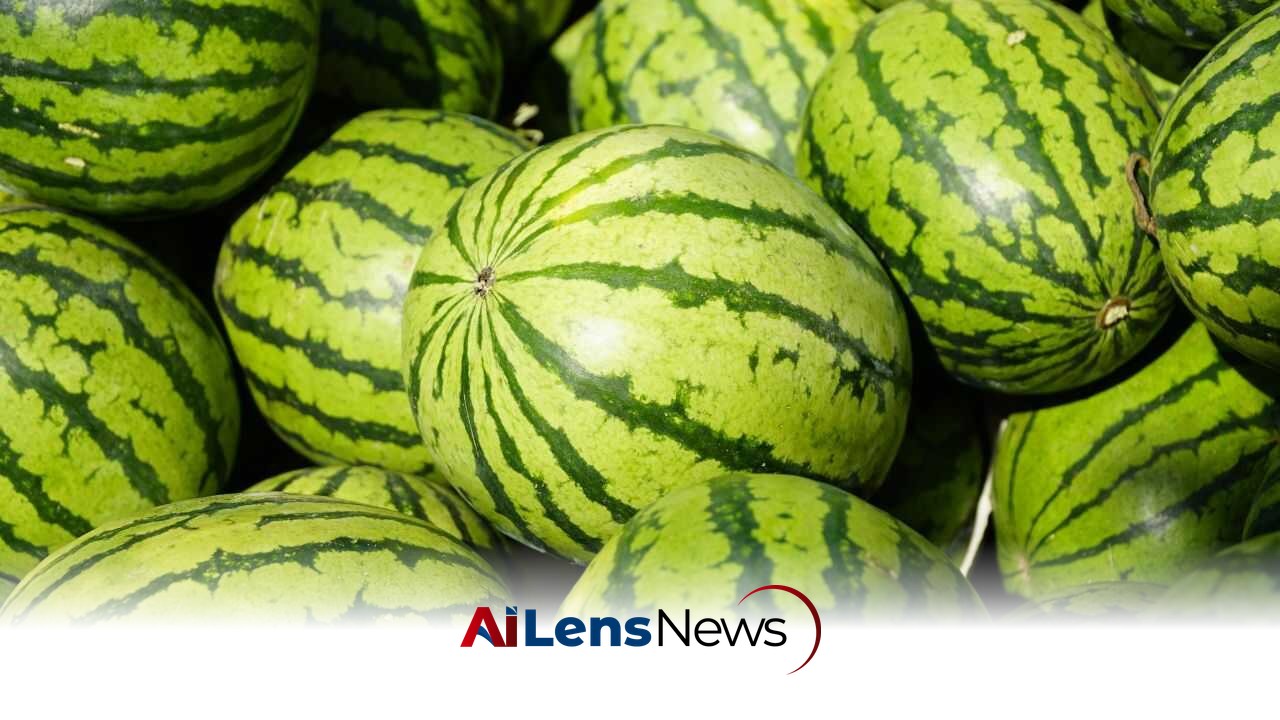


Choosing the perfect watermelon can be tricky. Here are seven signs to ensure you pick a sweet, juicy one every time.
New Delhi, India Jul 8, 2026 ALN: When it comes to selecting a watermelon, many shoppers are drawn to the fruit's outward appearance. However, a watermelon that looks perfect on the outside can often disappoint once cut open. To ensure you choose a sweet and juicy watermelon, consider these seven signs before making your purchase. Understanding the characteristics that contribute to a watermelon’s quality can not only enhance your culinary experiences but also ensure that you make an informed decision at the grocery store or farmers' market.
A watermelon should be symmetrical and evenly shaped. Irregularities in shape can indicate uneven ripening, which may affect the taste and texture of the fruit. Watermelons grow on vines, and their shape can be influenced by factors such as the amount of sunlight they receive, the quality of the soil, and the care taken during cultivation. A uniformly shaped watermelon is generally a sign that it has grown evenly, which often translates to a more consistent flavor profile and texture throughout the fruit.
Moreover, the shape of the watermelon can also be indicative of its variety. Different types of watermelons, such as seedless or heirloom varieties, may have unique shapes and sizes. Understanding these differences can help consumers make better choices based on their preferences and intended use. For instance, round watermelons are often sweeter, while oblong ones may have a different texture and taste.
While smooth skin may seem appealing, a slightly rough texture can be a good sign. Look for a watermelon with a matte finish rather than a shiny one, as this indicates ripeness. The skin texture can tell you about the maturity of the watermelon. A shiny appearance may suggest that the fruit was harvested too early, while a dull or rough texture indicates that the watermelon has reached its full ripeness and is ready to eat. Additionally, the skin's thickness can also play a role in the watermelon’s longevity; thicker skins often protect the fruit better during transport and storage.
Understanding the significance of skin texture can also help consumers avoid watermelons that may have been treated with wax or other coatings to enhance their appearance. Such treatments can mask the natural signs of ripeness and may affect the taste of the fruit. Therefore, opting for watermelons that exhibit natural skin textures can lead to a more authentic and enjoyable eating experience.
The color of the watermelon is crucial. A bright green hue is typically a good indicator of ripeness, but also look for a creamy yellow spot on one side, which indicates it sat on the ground and ripened in the sun. This spot, known as the field spot, is an essential feature to consider. The deeper the yellow color, the longer the watermelon was allowed to ripen on the vine, absorbing nutrients from the soil and sun. Conversely, a white or greenish field spot can suggest that the fruit was harvested prematurely, potentially leading to a less flavorful experience.
In addition to the field spot, the overall color of the watermelon can vary among different varieties. For example, some watermelons may have striped patterns or variations in hue that reflect their specific cultivar. Familiarizing yourself with these variations can enhance your ability to select the best watermelon for your needs. Furthermore, understanding the color can also help in identifying potential issues such as disease or pest damage that might not be immediately visible.
A ripe watermelon should feel heavy for its size. This weight indicates that it is full of water and, therefore, juicier. Compare the weight of several watermelons of similar size to find the heaviest one. The water content in a watermelon is a significant factor in determining its juiciness and sweetness. A watermelon that feels light may be lacking in moisture, which can result in a dry and less enjoyable eating experience. This is particularly important during the hot summer months when a refreshing, hydrating snack is most desired.
Moreover, the weight of a watermelon can also be influenced by its variety and growing conditions. For instance, some heirloom varieties are naturally denser and may weigh more than their seedless counterparts. By understanding these differences, consumers can make more informed choices when selecting watermelons, ensuring that they choose fruits that align with their preferences for sweetness and texture.
Gently tap the watermelon and listen for a deep, hollow sound. This sound suggests that the fruit is ripe and full of water. A dull sound may indicate that it is overripe or not ripe enough. The sound produced when tapping a watermelon is a result of its internal structure and moisture content. An experienced shopper can often distinguish between the sounds produced by ripe and unripe melons, making this a valuable technique to master. This auditory cue is particularly useful when shopping in bulk or when the visual cues are not as clear.
Learning to interpret the sound of a watermelon can take practice, but it can significantly enhance your selection process. Many seasoned shoppers develop a keen ear for these sounds, allowing them to quickly identify the best melons in a crowded market. This technique can also serve as a fun, interactive way to engage with family and friends while shopping, turning the experience into a shared activity.
The field spot is the area where the watermelon rested on the ground. A creamy yellow or orange field spot indicates ripeness, while a white spot suggests it was picked too early. This spot is critical because it reflects how long the watermelon has been allowed to mature on the vine. A well-developed field spot is a sign that the fruit has had ample time to absorb nutrients and sugars from the soil, resulting in a sweeter flavor. Furthermore, the field spot can also be an indicator of the growing conditions; watermelons grown in optimal conditions will typically have a more pronounced and well-defined field spot.
Understanding the importance of the field spot can also help consumers appreciate the agricultural practices involved in growing watermelons. Farmers who allow their crops to mature fully on the vine are often committed to producing high-quality fruit. This knowledge can foster a greater appreciation for local farmers and encourage consumers to support sustainable and responsible agricultural practices.
Small, dark spots on the watermelon can indicate sugar seeping out, which is a sign of sweetness. However, avoid watermelons with large, dark blemishes, as these may indicate overripeness or spoilage. Sugar spots are often a result of the fruit's natural sugars crystallizing on the surface, suggesting that the watermelon is indeed sweet. However, it is essential to differentiate between signs of sweetness and signs of decay. Large, dark blemishes can indicate that the fruit has been damaged or is beginning to spoil, which can lead to an unsatisfactory eating experience.
Additionally, the presence of sugar spots can also vary among different watermelon varieties. Some varieties are known for their sweetness and may naturally exhibit more sugar spots than others. By understanding these nuances, consumers can better navigate their choices and select watermelons that will provide the best flavor and texture. This knowledge can also enhance the culinary experience, as the right watermelon can elevate dishes ranging from salads to desserts.
By keeping these signs in mind, you can increase your chances of selecting a delicious watermelon that will be the highlight of your summer gatherings. Understanding the nuances of watermelon selection not only enhances your enjoyment but also contributes to a more sustainable shopping experience by reducing food waste. Watermelons are often enjoyed in various ways, from fresh slices at picnics to blended smoothies, and knowing how to pick the best fruit can elevate these experiences. Happy shopping!
In conclusion, the process of selecting a watermelon is not just about choosing a fruit; it is an opportunity to engage with the agricultural practices that bring these delicious fruits to our tables. By being informed about the signs of ripeness and quality, consumers can make choices that not only satisfy their taste buds but also support sustainable farming practices. As the summer season approaches, taking the time to select the perfect watermelon can lead to memorable moments shared with family and friends, enhancing the joy of summer gatherings and outdoor festivities.
To learn more about the latest developments in Food & Cuisine, stay updated with our exclusive reports and analyses on AiLensNews.

