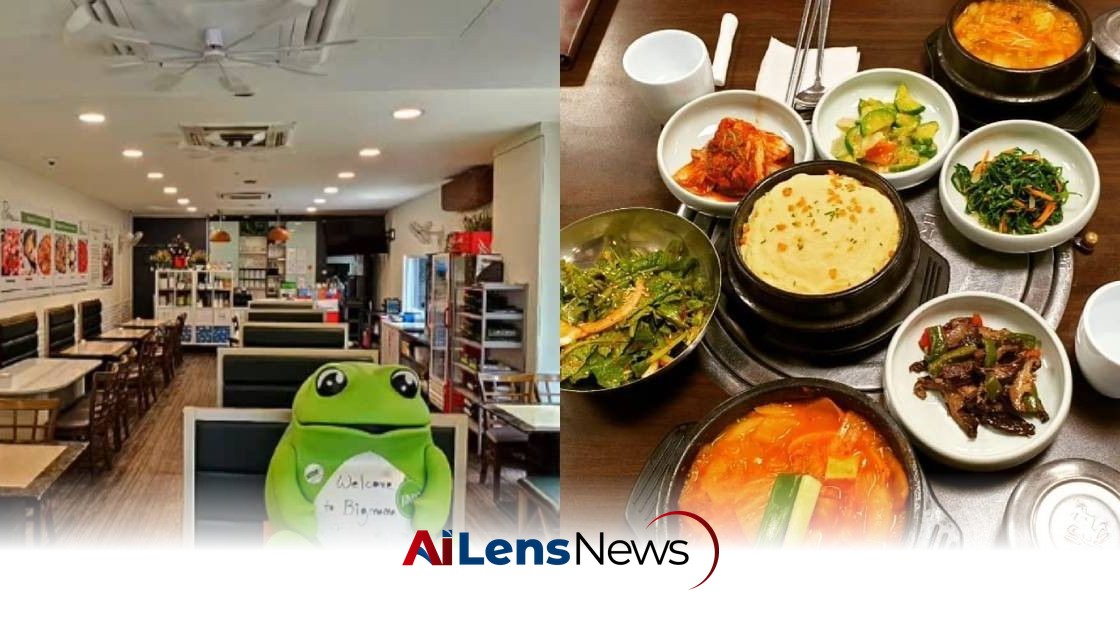


Bigmama, a cherished Korean restaurant in Tiong Bahru, has closed its doors after 16 years. The owner announced her departure in an emotional Instagram post, expressing gratitude to loyal customers.
Singapore, Singapore Jul 22, 2026 ALN: After years of serving authentic Korean fare in Tiong Bahru, Bigmama has closed for good, marking the end of an era for both the restaurant and its loyal patrons. The closure, announced by the owner in an emotional Instagram post on July 20, reflects not just the end of a business, but the culmination of a personal journey that has resonated deeply with the community.
In her heartfelt message, the owner stated, "After 16 wonderful years, the time has come to bring the beautiful journey of Bigmama to a close as I prepare to return to South Korea." This sentiment encapsulates the bittersweet nature of her departure, as she expressed profound gratitude for the support and love she received from her customers over the years. The emotional weight of her words highlights the significance of the restaurant as a gathering place and a home away from home for many.
Bigmama, known for its authentic Korean cuisine, became a beloved establishment in Tiong Bahru, a neighborhood that has undergone significant transformation over the past two decades. Originally a residential area with a rich history, Tiong Bahru has evolved into a vibrant hub for food lovers, art enthusiasts, and young professionals. The presence of Bigmama contributed to the culinary diversity of the area, offering dishes that were not only delicious but also steeped in Korean culture.
Among the specialties that patrons cherished were samgyupsal suyuk (steamed pork belly), dakgalbi (marinated chicken), and seafood soft beancurd soup. Each dish was crafted with care, often reflecting traditional recipes that have been passed down through generations. The restaurant was not just a place to eat; it was a venue where customers could experience the warmth of Korean hospitality, often referred to as jeong, a deep-seated affection and connection shared within the community.
The closing of Bigmama is particularly poignant in the context of the evolving culinary landscape in Singapore. Over the years, Tiong Bahru has seen a surge of new eateries, cafes, and restaurants that cater to a diverse range of tastes and preferences. While this evolution has enriched the area, it has also intensified competition among dining establishments. Bigmama's unique offering of authentic Korean cuisine distinguished it from many others, creating a niche that attracted both locals and expatriates seeking genuine flavors. The restaurant's ability to maintain its authenticity while adapting to the changing tastes of the community speaks volumes about the owner's dedication to her craft.
As the owner prepared to close the doors of Bigmama, she took the time to connect with her customers one last time. On her final day of operations, July 19, she generously offered free japchae (stir-fried glass noodles) and anchovy side dishes to patrons as a token of appreciation. She explained her motivation for this gesture: "Although I have many regular customers, I didn't reach out to them separately because I'm worried it might put a burden on them if I contacted them out of the blue. However, rather than just for one specific person, this is a gift I prepared while thinking of every single customer who has visited Bigmama." This thoughtful act underscored the strong bonds she had formed with her clientele over the years.
The reaction from the community upon hearing the news of Bigmama's closure was overwhelmingly emotional. In the comments section of her Instagram post, many customers expressed their dismay. One user remarked, "That's really sad, we enjoyed your food," while another simply questioned, "No. Why?" The genuine responses from the community reflect the impact that Bigmama had on its patrons, who viewed the restaurant not merely as a place to eat, but as a cherished part of their lives. This emotional connection is a testament to the role that food plays in fostering relationships and creating lasting memories.
In a further display of her commitment to staying connected, the owner mentioned her intentions to continue sharing stories about Korean food and life in South Korea after her departure from Singapore. This promise to maintain a connection with her customers reflects a broader trend among restaurant owners who seek to foster community even after their establishments have closed. It highlights the importance of storytelling in the culinary world, where food often serves as a bridge between cultures and experiences. The owner's desire to share her journey and experiences in South Korea may also provide her loyal customers with a sense of continuity, allowing them to feel connected to her and her culinary traditions even from afar.
As the restaurant officially closed its doors, the physical space that once buzzed with laughter and the aroma of Korean dishes was left empty. When visited on July 21, the eatery was fully closed, and there was no furniture left in the unit, symbolizing the end of a chapter not only for the owner but also for the many patrons who had come to love the establishment. The absence of Bigmama in Tiong Bahru is likely to be felt deeply, as it was more than just a restaurant; it was a cultural touchstone that contributed to the neighborhood's identity.
Bigmama's closure comes at a time when many restaurants around the world are grappling with the challenges posed by changing economic conditions, shifting consumer preferences, and the lingering effects of the global pandemic. The hospitality industry has faced unprecedented trials, and the loss of beloved establishments like Bigmama serves as a reminder of the fragility of small businesses. Each closure represents not just the loss of a place to eat, but the loss of community, culture, and shared experiences. The pandemic has particularly highlighted the vulnerabilities of small restaurants, many of which have struggled to survive amid lockdowns and restrictions. The emotional farewell to Bigmama serves as a microcosm of the broader challenges facing the industry.
In conclusion, the closure of Bigmama is a poignant reminder of the connections that form around food and the memories that are created in shared spaces. As the owner embarks on her journey back to South Korea, she leaves behind a legacy of warmth, generosity, and delicious food that will be fondly remembered by the many who walked through her doors. The impact of Bigmama extends beyond its menu; it is woven into the fabric of the Tiong Bahru community, where it will be missed dearly. The story of Bigmama is not just about the food served but about the relationships forged and the cultural exchange that took place within its walls, illustrating the profound role that restaurants play in our lives.
To learn more about the latest developments in Food & Cuisine, stay updated with our exclusive reports and analyses on AiLensNews.

