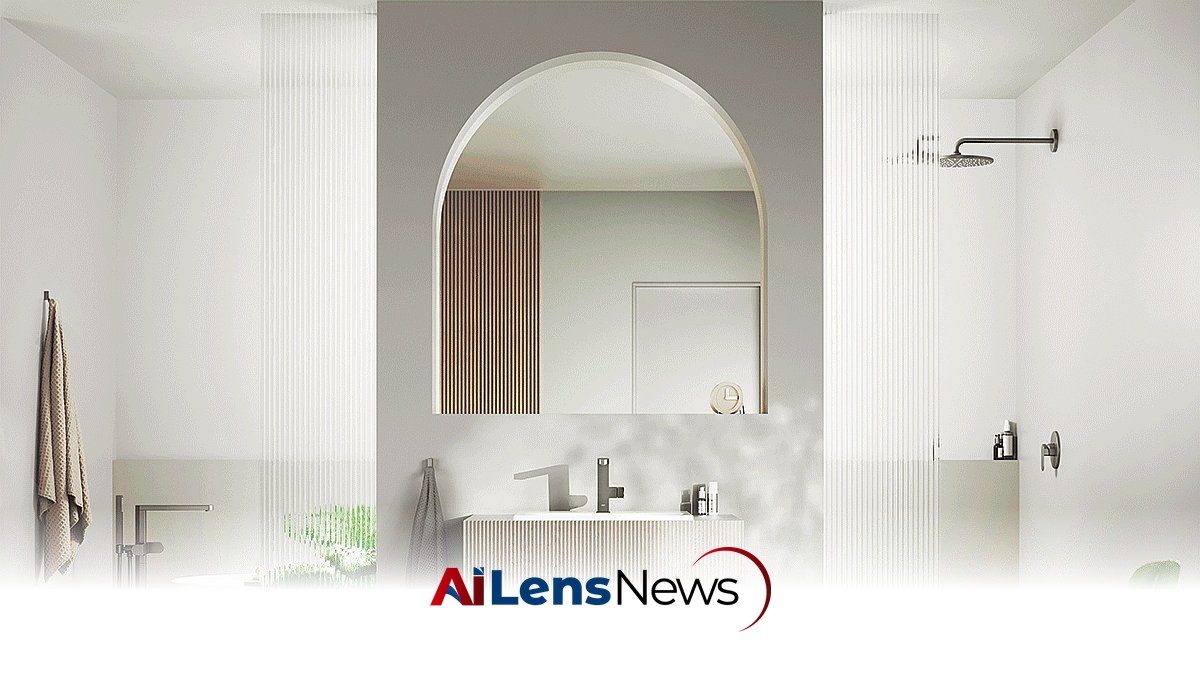


Explore how modern bathroom designs are evolving to prioritize comfort, warmth, and personal expression, making them sanctuaries for relaxation.
Riyadh, Saudi Arabia Jul 24, 2026 ALN: The bathroom is one of the hardest-working rooms in the home, although its design has often been driven by surfaces that are easy to clean and fittings chosen for their practicality. That thinking is expanding in 2026. Homeowners still expect the room to function efficiently. They also want it to feel comfortable, personal and pleasant to spend time in, whether they are preparing for a busy morning or winding down at the end of the day.
Recent research supports this growing interest in comfort. The 2025 Houzz Bathroom Trends Study found that 36 percent of renovated bathrooms included wellness-oriented features. Upgraded lighting led the list, followed by soaking tubs, spa baths, and water features. Cleanliness, spacious showers, organized storage, and natural light were also closely associated with relaxation.
Creating this kind of bathroom begins with the layout. Movement should feel easy, with enough clearance around the vanity, toilet, and shower. A walk-in shower with a low or flush threshold gives the room a cleaner visual line and improves accessibility.
Built-in seating can be useful for bathing, grooming, and anyone with limited mobility. Recessed niches keep products within reach while freeing the floor and ledges from bottles.
In larger bathrooms, the bath is being given greater prominence. Designers are revisiting built-in tubs surrounded by tile or stone, which provide useful ledge space and can fit neatly into awkward corners.
Interior designer Uns Hobbs told Homes & Gardens that a built-in bath “becomes a strong visual focal point and adds architectural interest to the space.” The surround can hold toiletries, a book, a plant, or a candle without adding another piece of furniture.
Material choices establish the character of the room. Cold grey, brilliant white, and highly polished finishes are giving way to warmer shades and surfaces with visible texture. Sand, clay, mushroom, terracotta, moss, and soft brown bring depth without overwhelming a compact space. Creamy stone, honed marble, handmade tiles, and timber-effect cabinetry introduce variation that becomes more apparent as the light changes.
Interior designer Rebecca Hughes describes the direction as one of “warmth and tactility,” with creamy veined stone and honed finishes creating a softer atmosphere, according to Homes & Gardens. These materials can be used selectively. A stone vanity top, tiled shower enclosure, or wooden cabinet can provide sufficient warmth when a full renovation is beyond the budget.
Bathrooms are also becoming less perfectly matched. Using one finish for every tap, handle, light, and accessory can make a room feel flat. Brushed nickel, polished chrome, aged brass, and darker metals can sit together when their tones are repeated with some discipline.
Polished nickel has emerged as a notable finish for 2026, with designer Shea McGee naming it her strongest bathroom prediction in a recent Homes & Gardens interview. Its gentle sheen works particularly well with stone, timber, and glazed tile.
Lighting deserves the same attention as flooring or sanitaryware. A single bright ceiling light may illuminate the room, yet it rarely serves every purpose well. A successful scheme combines general lighting with sconces beside the mirror, focused light around grooming areas, and softer illumination for evening use.
Dimmers allow the room to change through the day. Warm bulbs between 2700K and 3000K create a flattering, relaxed effect, while good task lighting around the mirror ensures that skincare, shaving, and make-up remain easy.
Storage plays an equally important role in the way a bathroom feels. Cluttered counters can make even a large room appear cramped. Drawers with internal dividers, mirrored cabinets, recessed cupboards, and built-in shelves give everyday products a fixed place.
Storage should be planned around routines. Frequently used items belong close to the basin, towels need accessible shelves, and cleaning supplies can be concealed in a deeper cabinet. Electrical sockets inside cabinets can also keep toothbrushes, shavers, and styling tools off the counter while they charge.
Personality can then be introduced through details that are easy to change. A framed print, patterned towels, a ceramic stool, a vintage mirror, or a small cordless lamp can soften the functional elements. Plants suited to humid conditions add color and texture. Fragrance should remain restrained, especially in a small or poorly ventilated room.
The most successful bathroom does not depend on its size or the cost of its fittings. It comes from understanding how the room is used and removing the small irritations that interrupt the experience. Better light, clear surfaces, comfortable materials, and well-placed storage can transform an ordinary routine. The result is a bathroom that supports daily life and feels unmistakably part of the home.
GROHE brings refined finishes, lasting performance, and personal style to the modern bathroom.
The modern bathroom has evolved beyond a purely functional space. Today, it reflects personal taste, supports well-being, and serves as an extension of contemporary living. In this transformation, finishes and accessories have become far more than decorative elements; they define the character and experience of the space. Carefully selected finishes introduce warmth, contrast, and individuality, enabling architects, designers, and homeowners to create spaces that feel both timeless and deeply personal.
At GROHE, this philosophy is expressed through collections that unite precision engineering with refined craftsmanship. The Allure Brilliant Private Collection showcases distinctive finishes such as Brushed Warm Sunset and Supersteel, complemented by premium materials including Caesarstone quartz inlays. The Atrio Private Collection takes a more architectural approach, where clean, understated forms create an enduring design language that transcends trends. True luxury, however, extends beyond aesthetics. Every finish must deliver lasting performance while preserving its appearance through years of daily use. GROHE combines decades of expertise in brass and zinc manufacturing with advanced surface technologies, including PVD coating and GROHE StarLight, to ensure exceptional durability and quality.
Luxury is in the details, integrating design and enduring performance. It transforms the bathroom from a functional necessity into a curated space, reflecting individuality while standing the test of time.
To learn more about the latest developments in Home & Living, stay updated with our exclusive reports and analyses on AiLensNews.

