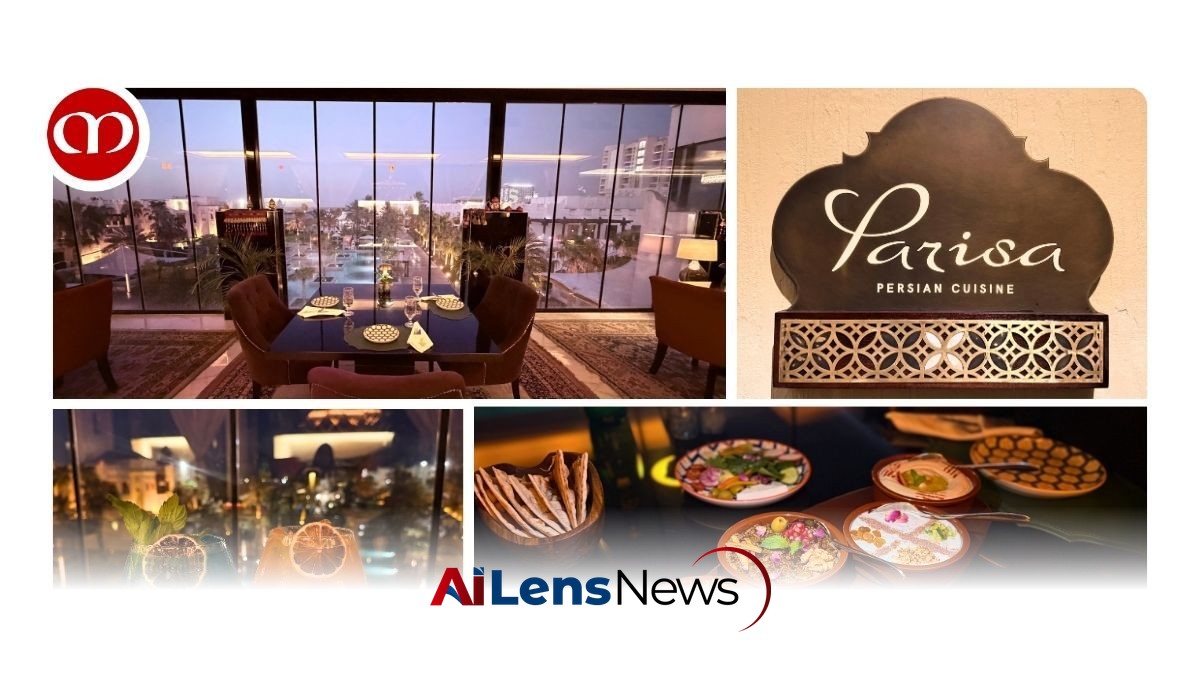


Discover the exquisite Persian cuisine at Parisa, Sharq Village & Spa, featuring unique mocktails, diverse appetizers, and a memorable main course.
Doha, Qatar Jul 17, 2026 ALN: Parisa at Sharq Village & Spa is known for its breathtaking views and authentic Persian charm. Among the highlights of this iconic destination is a setting that will not only satisfy your aesthetic cravings but also make your dining experience a truly memorable one.
The culinary experience at Parisa begins with an innovative approach to beverages, particularly their Persian-inspired mocktails. The introduction of these beverages is significant in the context of contemporary dining, where non-alcoholic options are increasingly being recognized for their creativity and flavor. Mocktails have gained popularity as more diners seek flavorful alternatives to traditional cocktails, and Parisa's offerings exemplify this trend beautifully. We shared the Saffron and Rose Saffron Sharbat, a fragrant blend of signature saffron cordial, rose water, and sparkling water, which not only provided a refreshing taste but also highlighted the luxurious ingredients typical of Persian cuisine.
The use of saffron, often referred to as the "golden spice," is notable; it has been a staple in Persian cooking for centuries, prized for its flavor and vibrant color. Saffron’s cultivation is labor-intensive, which contributes to its status as one of the most expensive spices in the world. The Sophia’s Breeze, a refreshing mix of coconut syrup and fresh lemon juice, complemented the saffron drink perfectly, offering a zesty counterbalance that awakened our palates and set an exciting tone for the evening.
When the appetisers arrived, it was clear that variety was the name of the game. In Persian dining culture, sharing food is a cherished tradition that fosters a sense of community and connection among diners. This custom is reflected in the way meals are often served, encouraging guests to sample a range of dishes. We opted for a mixed selection to ensure we could sample as much of the menu as possible. The cold spread consisted of hummus, which was silky and well-seasoned, showcasing the Middle Eastern influence on Persian cuisine. Hummus, made from blended chickpeas, tahini, and olive oil, has become a staple in many cuisines around the world, but its roots are deeply embedded in the Levant region.
Zeyroon Parvardeh, a lovely combination of green olives with crushed walnuts, aromatic herbs, and a tangy pomegranate sauce, was a delightful surprise, as the pomegranate is often used in Persian dishes to add a unique sweetness and depth of flavor. Pomegranates hold a special place in Persian culture, symbolizing prosperity and fertility, and their juice is frequently used in cooking to impart a sweet and tart flavor. Mast-O-Khiar, a wonderfully creamy yogurt mix filled with chopped cucumber, walnuts, and raisins, provided a refreshing element that balanced the richer flavors of the other dishes. Yogurt is a fundamental component of Persian cuisine, often used as a side dish or condiment.
The hot appetisers were equally impressive. The Kashko Bademjan was a standout: fried aubergine paired with walnut, onion, sundried yoghurt, and mint dressing, providing a rich, comforting flavor profile that is characteristic of Persian cuisine. This dish is a classic example of how Persian cooking often combines various textures and flavors to create a harmonious dish. The use of fried aubergine, or eggplant, is common in many Persian dishes, reflecting the ingredient's versatility and ability to absorb flavors. We balanced all of this with the Parisa Green Salad, which provided a fresh, crisp crunch to round out the selection, showcasing seasonal vegetables that are a staple in Persian meals.
We had high expectations for the main course as per the chef’s recommendations, and the Parisa Platter for two certainly delivered. This platter is a celebration of Persian grilling techniques, which have been perfected over generations. Grilling is not only a method of cooking but also a cultural ritual in Iran, often associated with family gatherings and outdoor celebrations. The platter arrived as a generous, beautifully presented collection of grilled favorites that made it difficult to know where to start: a skewer of tender Joojeh kabab, a skewer of flavourful Tikke Masti, two skewers of classic, savory Koobideh, and two pieces of succulent Shishlik. Each element was prepared with incredible care, showcasing the restaurant's commitment to quality and authenticity.
The marinated meats were grilled to perfection, with each skewer offering a unique flavor profile, from the tangy yogurt marinade of the Joojeh kabab to the spiced ground meat of the Koobideh. The choice of meats and the grilling technique reflect the cultural significance of kabobs in Persian cuisine, where they are often enjoyed during family gatherings and celebrations. The use of fresh herbs and spices in the marinades also highlights the Persian tradition of using natural ingredients to enhance the flavor of the dishes. The kabobs are typically served with saffron rice, which is a staple in Persian meals, and the addition of grilled tomatoes adds a smoky flavor that complements the meats beautifully. It was, without a doubt, the highlight of the evening, exemplifying the richness of Persian culinary traditions.
Though we were quite full by the end, we could not resist the Faloudeh Shirazi for dessert. This dish is a traditional Persian dessert that has been enjoyed for centuries, particularly in the city of Shiraz, from which it derives its name. The frozen vermicelli sorbet, finished with rose water and saffron ice cream, was the ideal, light end to the dinner. The combination of textures and flavors in this dessert is a perfect reflection of Persian culinary philosophy, where sweetness is often balanced with floral notes and a hint of tartness. The use of rose water in desserts is a hallmark of Persian cuisine, adding a fragrant quality that elevates the dish.
The service throughout the evening was excellent – the team was attentive without being intrusive, which really rounded out the experience. The staff's knowledge of the menu and the cultural significance of the dishes added an enriching layer to our dining experience. This level of service is indicative of the restaurant's commitment to providing an immersive experience that goes beyond just the food. It was a wonderful visit, and a perfect example of why Parisa remains such a destination for those looking for great food in an even better setting. Parisa not only offers a culinary journey through Persian flavors but also immerses diners in the rich cultural heritage of Iran, making it a unique dining experience in the region. The restaurant's decor, inspired by traditional Persian architecture, further enhances the ambiance, making it a feast for the eyes as well as the palate.
📍Parisa Restaurant at Sharq Village & Spa, a Ritz-Carlton Hotel
🕖 Monday to Saturday, 6:30 pm – 10:30 pm (Sunday closed)
💰 As per à la carte menu
📞 For enquiries or reservations: +974 4426 6666/3338 2589
To learn more about the latest developments in Food & Cuisine, stay updated with our exclusive reports and analyses on AiLensNews.

