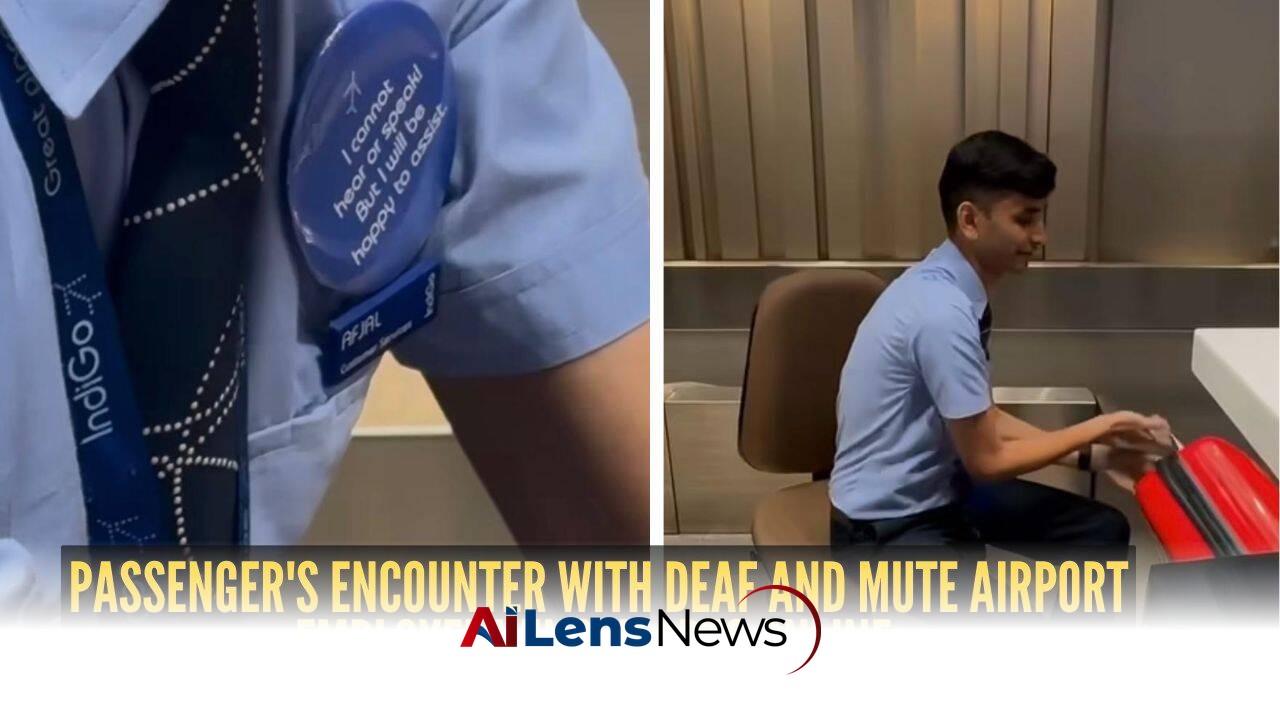


A passenger's touching experience with a deaf and mute IndiGo employee has gone viral, highlighting the importance of inclusivity in the workplace.
New Delhi, India Jul 1, 2026 ALN: A heartwarming airport encounter has captured the internet's attention. A passenger shared a video of Afjal, an IndiGo employee who is deaf and mute, expertly assisting travelers at baggage check-in. The video highlights Afjal's professionalism and cheerful demeanor, proving that effective communication transcends spoken words. This incident has not only warmed hearts but has also ignited discussions about the importance of inclusivity in the workplace.
The significance of Afjal's story lies in its broader implications for employment practices, particularly in industries like aviation where customer service is paramount. Traditionally, the perception of individuals with disabilities in roles that require direct interaction with the public has been limited, often due to misconceptions about their capabilities. However, Afjal's ability to effectively communicate with passengers using sign language, gestures, and facial expressions challenges these stereotypes, showcasing that individuals with disabilities can excel in roles that require interpersonal skills.
Social media users lauded Afjal's dedication and praised the airline for its inclusive hiring practices. The video's virality has catalyzed a wider conversation about creating more accessible workplaces, emphasizing the importance of inclusivity across various sectors. Many users have taken to platforms like Twitter, Facebook, and Instagram to share their own experiences with inclusive practices in different industries, highlighting how diverse workforces can lead to enhanced customer experiences and innovation.
In recent years, there has been a growing recognition of the need for companies to adopt inclusive hiring practices. Organizations are increasingly understanding that a diverse workforce not only reflects a commitment to social responsibility but also brings a wealth of perspectives and ideas that can drive business success. The inclusion of individuals with disabilities can lead to improved problem-solving, creativity, and a better understanding of customer needs.
Afjal's ability to assist passengers without spoken communication showcases the potential of individuals with disabilities in the workforce. His positive attitude and willingness to help have resonated with many, reminding us that compassion and understanding can bridge communication gaps. This moment serves as an example of how businesses can benefit from embracing diversity, as it allows them to tap into a broader talent pool and foster a more dynamic work environment.
Moreover, the conversation surrounding Afjal's story highlights the importance of accessibility in public spaces, such as airports. As travel becomes more globalized, ensuring that facilities and services are accessible to everyone, including those with disabilities, is crucial. This includes not just hiring practices but also the physical environment of airports, which should accommodate various needs. Many airports are now investing in technology and training to ensure that all employees can assist travelers effectively, regardless of their communication methods.
The implications of Afjal's story extend beyond the immediate context of the airport and IndiGo Airlines. It serves as a powerful reminder that everyone, regardless of their abilities, can contribute meaningfully to society. By embracing diversity, businesses can not only enhance their workforce but also create a more welcoming atmosphere for all customers. This is particularly important in service-oriented sectors where customer interaction is key to success.
As more companies begin to recognize the value of inclusivity, it is essential for them to implement training programs that educate employees about different disabilities and effective communication strategies. Such initiatives can help foster a culture of understanding and respect, making it easier for all employees to collaborate and support one another.
In conclusion, Afjal's story is not just about one individual's success; it is a call to action for organizations to prioritize inclusivity and accessibility. As conversations around these topics continue to grow, it is essential for society to recognize the value of every individual and the unique perspectives they bring. By highlighting stories like Afjal's, we can inspire a shift in attitudes and practices that promote equality and opportunity for all, ultimately leading to a more inclusive world. The journey towards inclusivity is ongoing, but moments like these provide hope and motivation for continued progress.
In addition to the immediate impact of Afjal's story, it is essential to consider the historical context of disability rights and employment. Over the past few decades, there has been a significant shift in how society perceives individuals with disabilities. The disability rights movement has played a crucial role in advocating for equal opportunities and access to employment. Legislative measures, such as the Americans with Disabilities Act (ADA) in the United States and similar laws in other countries, have laid the groundwork for more inclusive workplaces. These laws prohibit discrimination against individuals with disabilities and require employers to make reasonable accommodations.
Despite these advancements, challenges remain. Many individuals with disabilities still face barriers when seeking employment, including biases and a lack of understanding from employers about their capabilities. The story of Afjal serves as a beacon of hope, illustrating that when given the opportunity, individuals with disabilities can thrive in the workplace and contribute significantly to their organizations.
Furthermore, the role of technology in promoting inclusivity cannot be overlooked. Advancements in assistive technologies have made it easier for individuals with disabilities to communicate and perform their job duties effectively. From speech-to-text software to adaptive devices, technology has the potential to break down barriers and create a more inclusive work environment. Companies that invest in such technologies not only comply with legal requirements but also demonstrate a commitment to diversity and inclusion.
As businesses strive to improve their inclusivity practices, it is also important to engage with the disability community. Seeking feedback and input from individuals with disabilities can provide valuable insights into their needs and preferences in the workplace. This engagement can lead to more effective policies and practices that genuinely address the challenges faced by employees with disabilities.
Moreover, the impact of inclusive hiring practices extends beyond the individual employee. When companies embrace diversity, they often see improvements in employee morale and retention. A diverse workforce can lead to a more innovative and creative environment, as different perspectives come together to solve problems and generate new ideas. This, in turn, can enhance customer satisfaction and loyalty, as customers increasingly seek to support businesses that prioritize social responsibility.
In summary, Afjal's story is a powerful example of the potential of individuals with disabilities in the workforce. It highlights the importance of inclusivity, accessibility, and the need for organizations to recognize the value that diverse perspectives bring. As society continues to evolve, it is crucial to maintain momentum in the push for equality and opportunity for all individuals, regardless of their abilities. By fostering an inclusive culture, businesses can not only enhance their own success but also contribute to a more equitable society.
Ultimately, the journey towards inclusivity is a collective effort that requires commitment from individuals, businesses, and society as a whole. By sharing stories like Afjal's and advocating for change, we can inspire a future where everyone has the opportunity to thrive, regardless of their circumstances. The lessons learned from this encounter at the airport serve as a reminder that compassion, understanding, and inclusivity can transform lives and create a better world for all.
To learn more about the latest developments in Relationships, stay updated with our exclusive reports and analyses on AiLensNews.

