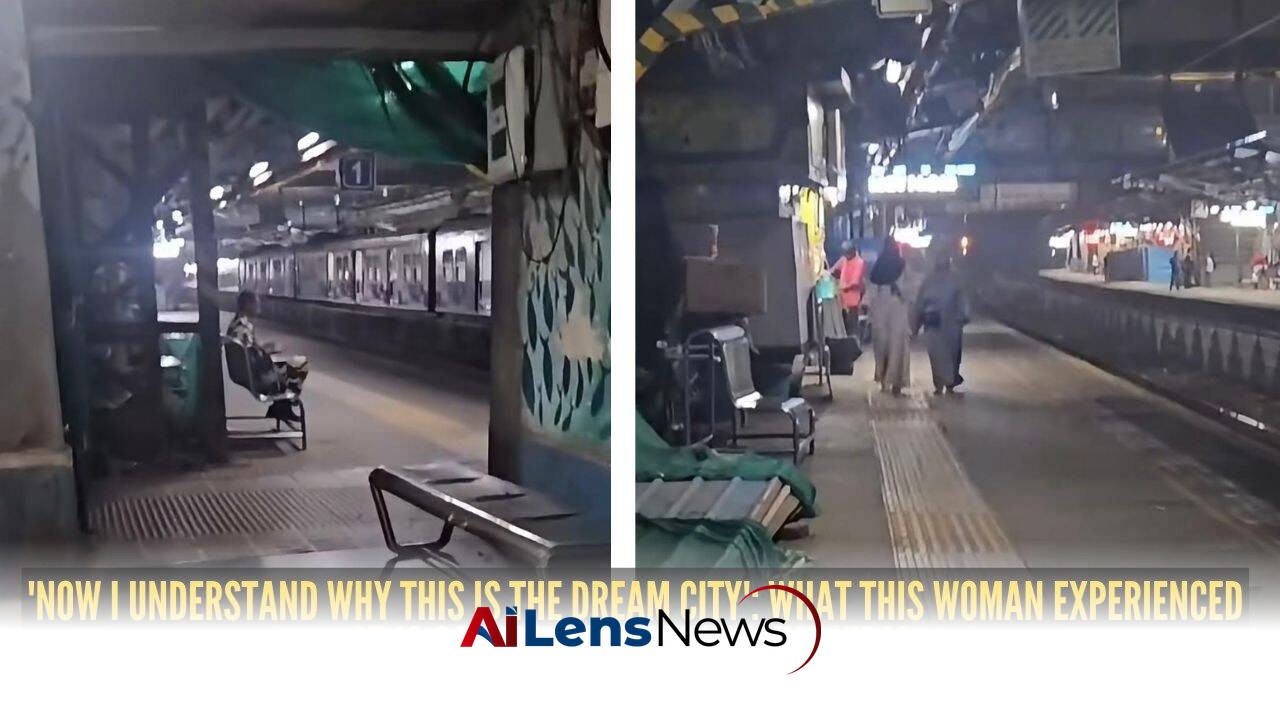


A woman's late-night experience at Mumbai's Marine Lines station has gone viral, showcasing the city's safety and freedom for women.
New Delhi, India Jul 5, 2026 ALN: A woman's late-night experience at Mumbai's Marine Lines station has gone viral, highlighting a sense of safety and freedom for women. The incident occurred at 12:30 am, a time when many cities may feel unsafe for women traveling alone. This particular moment has sparked significant interest and discussion across social media platforms, as it challenges the prevailing narrative about women's safety in urban environments.
The woman noted the visible police presence at the station, which contributed to a feeling of security. Law enforcement visibility is a critical factor in ensuring public safety, especially in urban areas where crime rates can be higher. In many cities around the world, late-night travel can be fraught with anxiety for women, who often have to weigh the risks associated with being out alone against their need for mobility and independence. In contrast, the presence of police officers at Marine Lines station provided a reassuring backdrop, allowing her and others to travel with a sense of peace.
She observed that women were traveling openly after midnight, a stark contrast to other cities where fear often dictates women's movements and choices. The freedom to move about without apprehension is a significant aspect of urban living that many take for granted. In numerous metropolitan areas, women may feel compelled to limit their activities or avoid certain places altogether after dark due to concerns about harassment or violence. However, Mumbai's Marine Lines station appears to offer a different narrative, where women felt empowered to navigate the city at any hour.
This experience resonated with many online, sparking conversations about the safety of women in urban environments. Social media users from various backgrounds shared their own experiences and sentiments, reinforcing the idea that Mumbai is a city where women can feel empowered and safe, even during late hours. The viral nature of this story highlights a collective yearning for safe public spaces and the importance of community support in fostering such environments. It also illustrates how individual experiences can serve as catalysts for broader discussions about societal norms and expectations regarding gender and safety.
The narrative surrounding women's safety in cities is often fraught with challenges, but this woman's experience has brought a refreshing perspective to the forefront. The contrasting experiences of women in different cities underscore the necessity for systemic changes aimed at improving safety and accessibility in urban areas. In many places, discussions about women's safety often focus on personal responsibility, which can inadvertently shift the burden onto women rather than addressing the root causes of insecurity in public spaces.
As discussions continue, it is clear that the presence of law enforcement and a supportive community can significantly impact women's experiences in public spaces. The role of local government and community organizations in creating a safer environment cannot be overstated. Initiatives that promote awareness, increase police presence, and foster community engagement can help to build trust and encourage women to participate fully in urban .
Mumbai's Marine Lines station has become a symbol of hope and safety, encouraging women to explore the city freely. The station, known for its vibrant atmosphere and accessibility, now stands as a testament to what can be achieved when safety measures are prioritized and when communities come together to support one another. It serves as a reminder that urban spaces can be designed and managed in ways that enhance security and promote inclusivity.
In conclusion, this viral story serves as a reminder of the importance of safety and freedom for women in urban settings. It highlights how cities can create environments where women feel secure and empowered, allowing them to navigate their surroundings with confidence. The implications of this narrative extend beyond Mumbai, as cities around the world grapple with the challenge of ensuring safety for all residents, particularly women. As more stories like this emerge, they can inspire other urban centers to adopt similar strategies, ultimately fostering a global movement towards safer and more inclusive public spaces.
Moreover, this incident opens up a broader dialogue about the cultural attitudes towards women in public spaces. In many societies, there is still a prevailing stigma attached to women being out alone at night, which can perpetuate cycles of fear and restriction. The positive response to this woman's experience in Mumbai could encourage other cities to reevaluate their approach to women's safety and to consider how they can create environments that support women's autonomy and freedom.
As urban populations continue to grow, the need for safe public spaces will only become more pressing. Policymakers, community leaders, and citizens alike have a role to play in shaping the future of urban living. By prioritizing safety, inclusivity, and community engagement, cities can work towards a future where everyone, regardless of gender, can enjoy the freedom to move and explore without fear.
Furthermore, the discussion surrounding women’s safety in urban environments is not just limited to the presence of law enforcement but also involves the design and infrastructure of public spaces. Urban planning plays a significant role in how safe or unsafe a space can feel. Well-lit streets, visible security measures, and the presence of community members can all contribute to a sense of safety. In many instances, cities that invest in these aspects see a reduction in crime rates and an increase in the confidence of their citizens, particularly women, to move freely.
Additionally, the role of public transportation in women's safety cannot be overlooked. Reliable and safe public transport options can empower women to travel at any hour without the fear of harassment or danger. In cities where public transport is poorly lit, infrequent, or perceived as unsafe, women may feel compelled to avoid traveling alone after dark. Mumbai’s Marine Lines station, with its active police presence and community engagement, could serve as a model for other cities aiming to improve their public transport systems and overall safety for women.
Moreover, the implications of this viral story extend into the realm of social policy. Governments and local authorities are called to action to implement policies that support women's safety. This might include increased funding for public safety initiatives, community outreach programs, and educational campaigns aimed at changing societal attitudes towards women’s rights and safety. By fostering a culture of respect and safety, cities can create environments where women feel empowered rather than restricted.
In summary, the experience of the woman at Marine Lines station is more than just an isolated incident; it reflects a larger movement towards ensuring safety and freedom for women in urban settings. As communities rally around this narrative, it serves as a powerful reminder that collective efforts can lead to meaningful change. The hope is that this story not only inspires other cities to take similar steps but also encourages women everywhere to assert their right to safe and unrestricted access to public spaces.
To learn more about the latest developments in Travel & Adventure, stay updated with our exclusive reports and analyses on AiLensNews.

