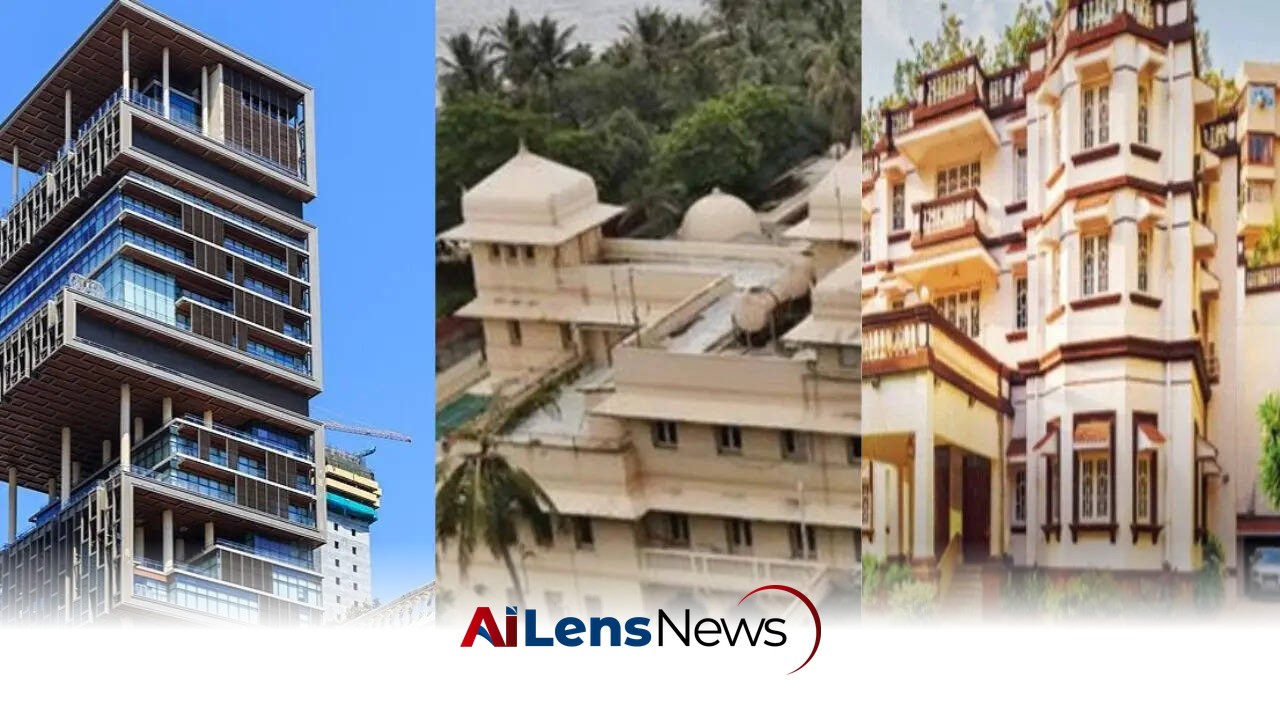


Explore the surge in demand for ultra-luxury homes in 's major cities, highlighting the growth of the luxury residential market.
New Delhi, India Jul 7, 2026 ALN: The luxury residential market in has witnessed significant growth over the last decade, reflecting broader economic trends and shifting consumer preferences. According to leading real estate consultants, the demand for ultra-luxury homes priced above ₹100 crore has surged in major cities such as Mumbai, Delhi, Bengaluru, and Hyderabad. This growth is indicative of a larger transformation in the n economy, where an increasing number of affluent buyers are entering the market, seeking exclusive and lavish living spaces that not only provide comfort but also symbolize their status and wealth.
The rise in demand for high-end properties reflects a broader trend in the real estate sector, where affluent buyers are increasingly seeking exclusive and lavish living spaces. This trend is not only limited to metropolitan areas but is also expanding to emerging urban centers across the country. The economic liberalization that began in the 1990s has led to a burgeoning middle class, and as wealth has accumulated among certain segments of the population, so too has the desire for luxury living. The increase in disposable income, coupled with a growing interest in high-end s, has contributed to this demand.
Moreover, the recent years have seen a significant shift in consumer behavior, particularly among younger affluent individuals who prioritize experiences and over traditional markers of wealth. This shift is reflected in their housing preferences, where luxury is not merely defined by size or opulence but also by the quality of and unique experiences that a property can offer. As a result, developers are increasingly focusing on creating homes that are not only luxurious but also integrated with amenities and services.
Ultra-luxury homes often feature state-of-the-art amenities, expansive living spaces, and prime locations. Buyers are looking for properties that offer not just a place to live, but a that reflects their status. These homes typically include features such as private pools, home automation systems, landscaped gardens, and panoramic views of the city or surrounding areas. Additionally, many luxury properties are located in gated communities that offer enhanced security and privacy, further appealing to wealthy individuals seeking a retreat from the hustle and bustle of urban .
Architectural design plays a crucial role in the appeal of ultra-luxury homes. Many properties are designed by renowned architects and feature unique design elements that set them apart from standard residential offerings. Sustainability has also become an important consideration, with many buyers looking for homes that incorporate eco-friendly materials and energy-efficient technologies. This growing awareness of environmental issues among affluent buyers is prompting developers to innovate and create homes that are not only luxurious but also environmentally responsible.
Investing in luxury real estate is seen as a secure option for many affluent individuals. The appreciation in property value over time, coupled with the exclusivity of these homes, makes them attractive investments. Unlike other investment vehicles, luxury real estate can provide not only financial returns but also personal enjoyment and benefits. Additionally, the rental market for luxury homes is robust, with many investors seeking to generate income through short-term rentals or leasing to high-net-worth tenants. The rise of platforms that facilitate luxury rentals has made it easier for property owners to monetize their investments.
The increasing globalization of the n economy has also attracted foreign investors to the luxury real estate market. Many non-resident ns (NRIs) and international buyers are looking to invest in n properties, drawn by the potential for high returns and the allure of owning a piece of real estate in a rapidly developing market. This influx of foreign capital has further fueled the growth of the luxury housing sector. Additionally, favorable government policies aimed at promoting foreign investment in real estate have contributed to the attractiveness of the market.
The surge in demand for ultra-luxury homes in signifies a shift in the real estate landscape. As more buyers seek exclusive properties, the luxury market is expected to continue its upward trajectory, reshaping the residential sector in the country. The implications of this trend are manifold, impacting not only the real estate market but also related industries such as construction, design, and hospitality. As the luxury market evolves, it will be essential for developers and investors to stay attuned to the changing preferences of affluent buyers, ensuring that new developments meet the high standards and expectations of this discerning clientele.
Moreover, the growing luxury market may also influence urban planning and infrastructure development, as cities adapt to cater to the needs of wealthy residents. This could lead to enhanced public amenities, improved transportation options, and greater investment in public spaces, benefiting the broader community. As the demand for ultra-luxury homes continues to rise, it will be crucial for stakeholders across the real estate sector to navigate these changes responsibly, balancing the desires of affluent buyers with the needs of the wider population. The luxury real estate market is not just a reflection of wealth but also a catalyst for urban development and economic growth, shaping the future of cities across .
To learn more about the latest developments in Home & Living, stay updated with our exclusive reports and analyses on AiLensNews.

