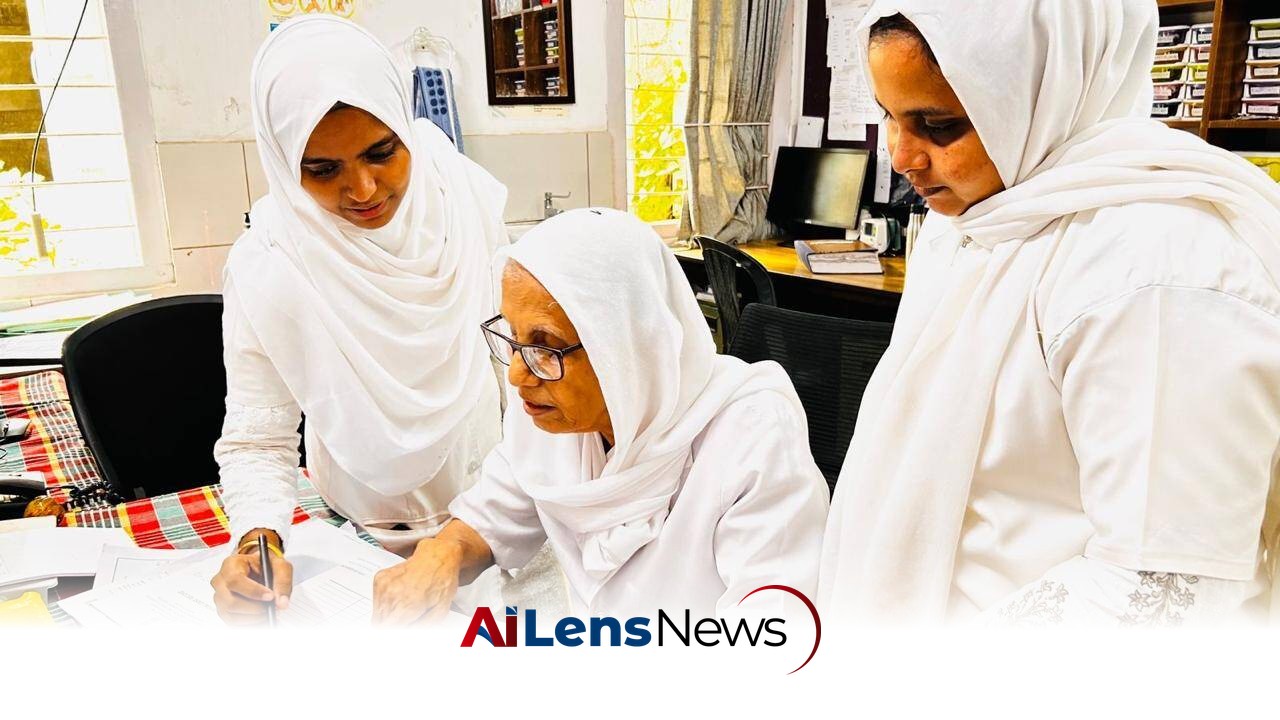


Hindumbi Kaurom Kakkada dedicated decades to serving Lakshadweep's remote islands, overcoming immense challenges in healthcare.
New Delhi, India Jul 7, 2026 ALN: Hindumbi Kaurom Kakkada has dedicated decades to serving the remote islands of Lakshadweep, becoming a beacon of hope and resilience in the region. Her journey is marked by extraordinary challenges, including emergency deliveries conducted under candlelight and perilous sea voyages to ensure that patients receive the care they need. The islands, comprising 36 islands, are located off the southwestern coast of and are characterized by their stunning natural beauty but also by their geographical isolation. This isolation presents a unique set of challenges for healthcare delivery, making Kakkada's contributions all the more significant.
Throughout her career, Kakkada faced numerous obstacles, often working with limited resources. The healthcare infrastructure in Lakshadweep is not as developed as in mainland , which often means that medical supplies and advanced equipment are scarce. Her commitment to patient care has been unwavering, demonstrating a profound dedication to her community. The challenges she encountered were not just logistical; they were also deeply emotional, as she often had to make -and-death decisions in critical situations. The pressure of such responsibilities weighs heavily on healthcare workers, particularly in remote areas where help is not readily available.
One of the most remarkable aspects of Kakkada's service has been her ability to adapt to the unique circumstances of the islands. The geographical isolation of Lakshadweep means that access to medical facilities is often limited, making her role even more crucial. In many cases, Kakkada has been the first and only point of contact for medical emergencies. Her ability to deliver babies in the most challenging conditions has earned her the respect and admiration of the community. Each successful delivery under such circumstances not only signifies a personal victory but also represents hope and continuity for families on the islands.
Moreover, the cultural context of Lakshadweep adds another layer of complexity to her work. The islands are home to a diverse population with unique customs and traditions. Kakkada has taken the time to understand and respect these cultural nuances, which has allowed her to provide care that is not only medically sound but also culturally sensitive. This approach has helped her build trust within the community, a vital component for effective healthcare delivery.
In the context of healthcare delivery in remote areas, Kakkada's work is particularly noteworthy. The islands of Lakshadweep face numerous challenges, including limited access to transportation, which can delay medical assistance. The logistics of transporting patients to larger hospitals on the mainland can be daunting, often requiring coordination with local fishing boats or government vessels that may not operate regularly. In such scenarios, Kakkada's presence becomes indispensable, as she provides immediate care and stabilizes patients before they can be transferred.
Her experience in emergency situations has equipped her with a unique skill set, allowing her to perform under pressure. Kakkada's ability to make quick decisions can mean the difference between and death. This level of responsibility is not something that every healthcare worker is prepared for, especially in an environment where advanced medical technology is often absent. Kakkada's hands-on approach and her reliance on traditional methods, combined with her medical training, have allowed her to navigate these challenges effectively.
In 2023, Kakkada was honored with the prestigious Florence Nightingale Award, a recognition of her tireless efforts and dedication to healthcare in difficult settings. This award is not just a personal achievement; it symbolizes the importance of healthcare workers who operate in challenging environments, often without the recognition they deserve. The Florence Nightingale Award is one of the highest honors for nurses and healthcare workers in , celebrating those who have made significant contributions to the field of nursing and healthcare.
Receiving such an award has implications that extend beyond Kakkada herself. It brings attention to the pressing need for improved healthcare infrastructure in remote areas like Lakshadweep. The recognition also serves to inspire other healthcare workers who may feel disheartened by the challenges they face. By highlighting Kakkada's story, there is a greater awareness of the sacrifices and contributions made by those in the healthcare sector, particularly in underserved regions.
Furthermore, this recognition can lead to increased funding and resources for healthcare initiatives in Lakshadweep. Policymakers and stakeholders may take note of Kakkada's exemplary service and advocate for better facilities and support systems. This could ultimately improve the overall health outcomes for the residents of the islands, addressing the disparities that currently exist in healthcare access.
Kakkada's legacy extends beyond her medical achievements. She has inspired many young nurses and healthcare workers in the region, demonstrating that compassion and commitment can make a significant difference in people's lives. Her story is a reminder of the silent heroes who work tirelessly behind the scenes, often without the spotlight. In a world that frequently celebrates high-profile figures, Kakkada's journey emphasizes the importance of grassroots contributions to society.
As she continues her work, Kakkada remains a symbol of hope for the people of Lakshadweep, proving that even in the most challenging circumstances, dedication to service can lead to profound impacts on community health and well-being. Her influence is visible in the growing number of young individuals pursuing careers in healthcare, motivated by her example. The ripple effect of her commitment is likely to be felt for generations, as the next wave of healthcare professionals in Lakshadweep carry forward her legacy of compassion and resilience.
In conclusion, Hindumbi Kaurom Kakkada exemplifies the spirit of service and dedication that is often found in the most remote corners of the world. Her work and commitment serve as a powerful reminder that behind every successful healthcare outcome, there are individuals like her, who face insurmountable odds to ensure the well-being of their communities. As Lakshadweep continues to evolve, the need for dedicated healthcare professionals will remain critical, and Kakkada's story will undoubtedly inspire future generations to follow in her footsteps.
The importance of Kakkada's contributions cannot be overstated. In an age where healthcare is increasingly being recognized as a fundamental human right, her story underscores the ongoing need for advocacy and resources to support healthcare workers in remote and underserved areas. By shining a light on her work, we are reminded of the resilience of the human spirit and the profound impact that one individual can have on the lives of many.
To learn more about the latest developments in Health & Wellness, stay updated with our exclusive reports and analyses on AiLensNews.

