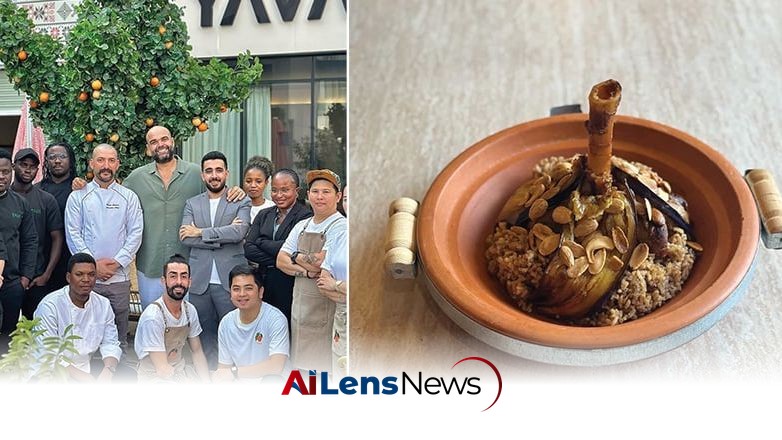


Yava restaurant in Dubai offers a heartfelt menu inspired by Palestinian home cooking, showcasing dishes rich in tradition and flavor.
Abu Dhabi, United Arab Emirates Jul 12, 2026 ALN: When Yava opened in Wasl 51 in late 2021, it cast its net wide across the Mediterranean. However, owner Basil Yassin has since returned to his family’s roots in Palestine, allowing that lineage to influence every aspect of the restaurant. This shift not only reflects a personal journey for Yassin but also highlights a broader trend in the culinary world where chefs are increasingly turning to their heritage to inform their culinary creations. The emphasis on authenticity in Yava's offerings serves as a reminder of the rich cultural tapestries that define the Mediterranean region, particularly in the context of Palestinian cuisine.
“You won’t find batata harra on our menu,” he tells with quiet confidence. Instead, diners can expect authentic Palestinian home dishes, prepared not from recipes but from memory and instinct. This distinction raises expectations rather than lowering them. The reliance on personal memory and familial traditions rather than written recipes underscores the importance of oral history in culinary practices, especially in cultures where food is a vital part of social and familial identity. This approach to cooking not only preserves age-old techniques but also fosters a deep connection between the food and the cultural narratives that surround it.
The interior of Yava draws inspiration from Jaffa, a historic coastal city in Palestine known for its vibrant culture and rich history. The design features stony blues and weathered greens, evoking the colors of the Mediterranean sea and the ancient stone buildings of Jaffa. This thoughtful aesthetic choice not only creates a warm and inviting atmosphere but also serves as a visual representation of the restaurant's commitment to its roots. Outside, the shared Wasl 51 courtyard is adorned with orange trees, making it one of the loveliest spots to dine during the winter months. The outdoor setting enhances the dining experience, allowing guests to enjoy their meals in a serene environment, reminiscent of traditional Palestinian gatherings under the shade of fruit trees. Such settings are integral to Mediterranean culture, where meals are often communal, and the ambiance plays a significant role in enhancing the dining experience.
Yava's menu is a careful curation of dishes that reflect the essence of Palestinian cuisine. Each dish tells a story, often linked to Basil's family and childhood memories. Start with Tante Nora, a tabbouleh named after Basil’s mother’s best friend, who never wrote down her recipe yet managed to perfect it every time. This dish embodies the heart of Palestinian cooking—fresh ingredients, vibrant flavors, and a spirit of sharing. The use of fresh parsley, tomatoes, and a drizzle of olive oil showcases the importance of local produce in Palestinian culinary traditions. This emphasis on freshness and quality is a hallmark of Mediterranean cooking, where the flavors of the region are celebrated in their most natural form.
The Yaffawifa (Dhs57) is a must-try: a spiral pie of crispy baklava-thin dough filled with minced beef, homemade labneh, and chili oil. This dish is indulgent and delicious enough to make you forget your usual kibbeh order. The combination of textures and flavors in the Yaffawifa exemplifies the creativity found in Palestinian cuisine, where traditional ingredients are reimagined in innovative ways. The use of labneh, a staple in Palestinian households, adds a creamy tang that balances the richness of the beef, illustrating how Palestinian cooks often harmonize contrasting flavors.
Another highlight is the honey fatteh (Dhs66), a savory twist on kunafa that is playful and fun. This dish reflects the versatility of Palestinian cuisine, where sweet and savory elements often coexist harmoniously. However, the standout dish is the maqloubeh (Dhs99), a beloved staple of the Arab diaspora. Layered rice, eggplant, and meat are typically flipped onto the plate, but here it arrives under a tagine lid, featuring a lamb shank that has been slow-cooked for four to five hours. When Basil lifts the lid tableside, the meat falls apart like butter, complemented by glossy seven-spiced rice topped with thick, dark almonds. This is the dish to come for, as it encapsulates the essence of comfort food in Palestinian culture, often served during family gatherings and special occasions. The communal nature of maqloubeh, which is often shared among family and friends, reflects the importance of togetherness in Palestinian culture.
If Basil is present—he almost always is—you’re in for a treat. He watches over the dining experience with a relaxed attentiveness, showing he cares deeply without hovering. This level of service is a reflection of the hospitality deeply ingrained in Palestinian culture, where guests are treated with warmth and generosity. The attentive service at Yava enhances the overall dining experience, allowing patrons to feel at home while enjoying the rich flavors of Palestinian cuisine. This hospitality is not just a service standard; it is a cultural value that Basil embodies, making every guest feel like part of the Yava family.
Location: Wasl51, Al Wasl Road, Dubai | Times: Daily 8am to 11.30pm | Contact: (0)4 548 5733;
Yava is more than just a restaurant; it’s a heartfelt homage to Palestinian culinary traditions, inviting diners to experience the flavors of home. The restaurant stands as a testament to the resilience of Palestinian culture, particularly in the diaspora, where food serves as a means of preserving heritage and identity. As culinary enthusiasts seek authentic experiences, Yava offers a unique opportunity to explore the rich tapestry of Palestinian flavors in a modern setting. The restaurant not only fills a niche in Dubai's diverse culinary landscape but also fosters an understanding and appreciation of Palestinian culture through its food.
In a city like Dubai, known for its multicultural environment and culinary diversity, Yava’s focus on Palestinian cuisine is significant. It contributes to the broader narrative of Middle Eastern gastronomy, showcasing the unique flavors and traditions that define Palestinian cooking. The restaurant also plays a role in raising awareness about Palestinian heritage, encouraging conversations around food, culture, and identity. By sharing his family's culinary traditions, Basil Yassin not only honors his roots but also invites others to partake in the rich cultural heritage of Palestine, fostering a sense of community and connection through the universal language of food.
Moreover, Yava’s establishment is a reflection of the growing interest in authentic ethnic cuisines within global dining trends. As more diners seek genuine culinary experiences that reflect the cultural backgrounds of the chefs, Yava stands out as a beacon of Palestinian culinary artistry in a city that thrives on diversity. This trend is particularly important as it allows for the preservation of cultural narratives that might otherwise be lost in the fast-paced, globalized food industry.
In conclusion, Yava is not just a restaurant but a cultural hub where food and heritage intertwine. It serves as a reminder of the importance of preserving culinary traditions and the stories that accompany them. By embracing his Palestinian roots, Basil Yassin not only enriches the culinary scene in Dubai but also fosters a greater understanding of Palestinian culture, making it accessible to a broader audience. Through the lens of food, Yava invites diners to embark on a journey that transcends borders, celebrating the beauty of heritage and the joy of sharing a meal with others.
To learn more about the latest developments in Food & Cuisine, stay updated with our exclusive reports and analyses on AiLensNews.

