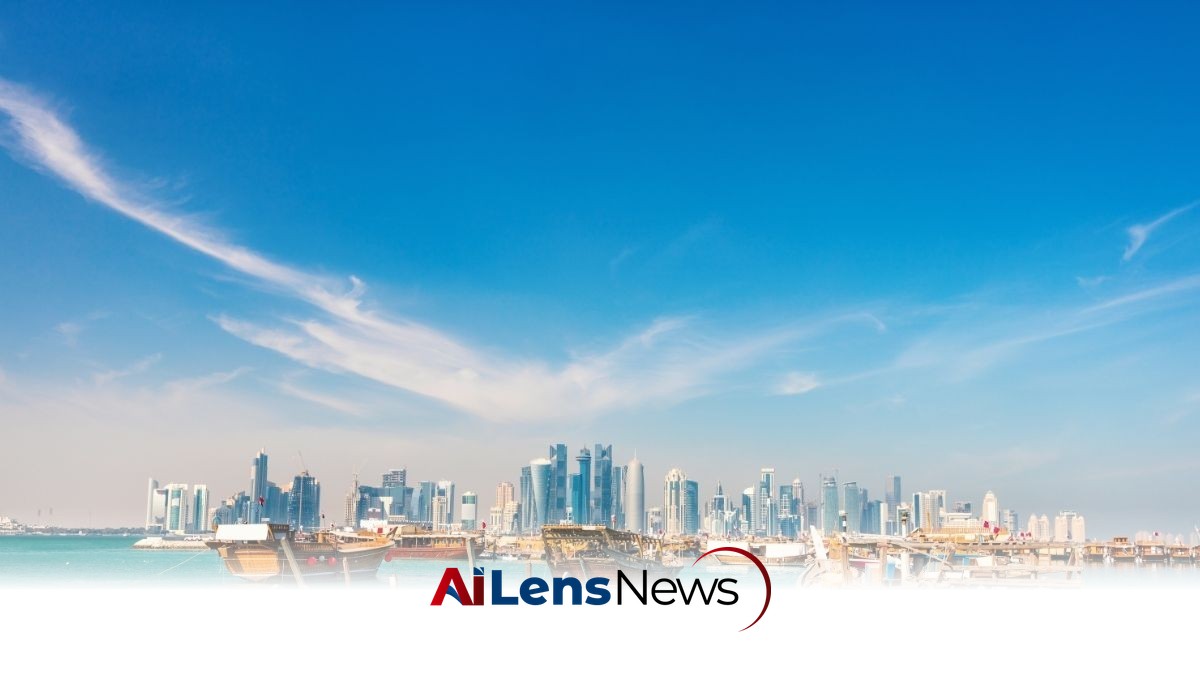


Qatar has achieved the 2nd position in Asia and 12th globally in Numbeo’s Quality of Life Index 2026 Mid-Year, with a score of 188.6.
Doha, Qatar Jul 10, 2026 ALN: Qatar has ranked 2ⁿᵈ in Asia and 12ᵗʰ globally in Numbeo’s Quality of Life Index 2026 Mid-Year.
According to the latest rankings, Qatar recorded a Quality of Life Index score of 188.6, placing behind Oman, which topped the Asian rankings with a score of 203.9. This ranking is part of a broader evaluation of living conditions across various countries, assessing multiple factors that contribute to the overall quality of life for residents.
Globally, Qatar ranked 12ᵗʰ, while the Netherlands secured 1ˢᵗ place with a Quality of Life Index score of 205.6. These rankings are crucial as they allow for comparative assessments between nations, providing insights into how various factors such as economic stability, safety, healthcare, and environmental conditions affect daily life.
In the 2026 Mid-Year rankings, Qatar recorded:
The rankings place Qatar among the highest-performing countries in Asia for overall quality of life. This achievement can be attributed to various factors, including the country's strategic investments in infrastructure, healthcare, and safety initiatives.
This latest ranking by Numbeo, a crowd-sourced global database of reported consumer prices, perceived crime rates, quality of healthcare, and other factors, reflects the ongoing development and modernization of Qatar's infrastructure and services. The Quality of Life Index is a composite score that considers various indicators, including safety, healthcare, purchasing power, and environmental quality, which together provide a comprehensive view of living conditions in a country. The methodology utilized by Numbeo incorporates data from surveys and user-generated inputs, allowing for a dynamic and up-to-date assessment of living standards.
The purchasing power index, which measures the relative purchasing power of residents in Qatar, shows a strong score of 173.5. This high score indicates that residents have relatively high disposable incomes, which allows for greater purchasing power compared to many other countries in the region. This economic strength is largely attributed to Qatar's substantial oil and natural gas reserves, which have fueled its rapid economic growth over the past few decades. The wealth generated from these resources has been strategically reinvested into various sectors, enhancing the overall quality of life for its citizens and residents.
Safety is another critical component of the Quality of Life Index, and Qatar's score of 84.8 reflects its reputation as one of the safest countries in the world. The low crime rate in Qatar is often cited as a significant factor that contributes to the overall quality of life for its residents. The government has implemented strict laws and regulations that contribute to public safety, and it is common for residents to feel secure walking around at night. This sense of safety is particularly appealing to expatriates, who make up a significant portion of the Qatari population. The emphasis on law enforcement and community safety initiatives has fostered a sense of trust among residents, further enhancing the living experience in the country.
Healthcare is another essential aspect of the quality of life, and Qatar's score of 73.8 indicates a robust healthcare system. The country has invested heavily in healthcare infrastructure, leading to the establishment of modern hospitals and clinics equipped with advanced medical technology. Qatar's healthcare system is characterized by a mix of public and private providers, ensuring that residents have access to high-quality medical care. The government also offers health insurance to its citizens and residents, further enhancing access to healthcare services. This commitment to health is evident in the government's initiatives aimed at promoting public health and wellness, including campaigns focused on preventive care and health education.
On the other hand, the cost of living index, which stands at 50.4, suggests that while Qatar has a high purchasing power, the cost of living can still be a concern for some residents. The cost of housing, in particular, can be high, which is reflected in the property price to income ratio of 4.5. This ratio indicates that housing costs are significant relative to income levels, which may pose challenges for individuals and families looking to settle in the country. The real estate market in Qatar has experienced fluctuations, and while investments in housing have improved options, affordability remains a critical issue for many residents.
Traffic and commute times are also factors included in the Quality of Life Index, and Qatar's traffic commute time index score of 28.9 reflects the ongoing challenges in urban transportation. While the country has invested in expanding its road networks and public transportation systems, traffic congestion can still be an issue, particularly during peak hours. The government is actively working on solutions, including the development of the Doha Metro, which aims to alleviate some of the traffic burdens faced by residents. This project represents a significant investment in public transport infrastructure, which is expected to enhance connectivity and reduce reliance on private vehicles, thereby improving overall quality of life.
Environmental factors play a role in the overall quality of life as well, with Qatar's pollution index at 60.4. This score indicates a moderate level of pollution, which can be attributed to rapid urbanization and industrial activities. The government has been making efforts to address environmental concerns, including initiatives aimed at reducing emissions and promoting sustainable practices. Qatar's commitment to environmental sustainability is evident in its national vision, which includes goals for sustainable development and environmental protection. Various programs and policies have been introduced to promote green technologies and reduce the carbon footprint of the nation.
The climate index score of 34.6 reflects the hot desert climate of Qatar, which can be challenging for residents, especially during the summer months when temperatures can soar. However, the country's infrastructure is designed to accommodate this climate, with air conditioning prevalent in homes, workplaces, and public spaces, allowing residents to cope with the heat. Additionally, the government has implemented measures to enhance outdoor living during cooler months, promoting a vibrant social and cultural scene.
In summary, Qatar's ranking as 2ⁿᵈ in Asia and 12ᵗʰ globally on the Numbeo Quality of Life Index highlights its position as a leading destination for expatriates and residents alike. The combination of high purchasing power, safety, and a strong healthcare system contributes to the overall positive living conditions in the country. However, challenges such as the cost of living, traffic congestion, and environmental concerns remain areas for improvement as Qatar continues to develop and modernize in the coming years. The implications of this ranking are significant, as they not only reflect the current state of life in Qatar but also influence future investments, tourism, and the overall perception of the country on the global stage. As Qatar continues to position itself as a hub for business and tourism, these factors will play a crucial role in shaping its future development and attractiveness as a destination for both residents and visitors.
To learn more about the latest developments in Health & Wellness, stay updated with our exclusive reports and analyses on AiLensNews.

