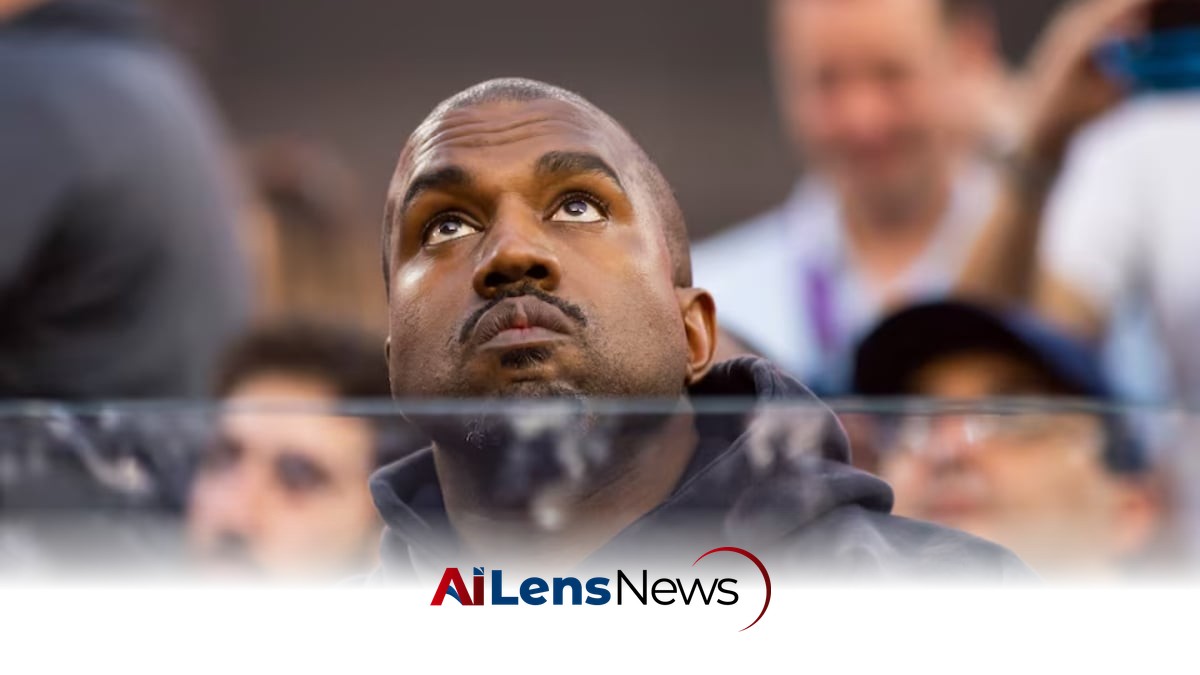


Albania's Prime Minister defends a €4 million concert by Kanye West amid public protests and controversy over the rapper's past remarks.
Islamabad, Pakistan Jul 11, 2026 ALN: TIRANA – Albania’s prime minister on Wednesday defended a decision to spend €4 million ($4.56 million) on a concert by U.S. rapper Kanye West, as he sought to defuse anger over the event that has added heat to public protests and demands for his resignation.
Kanye West, who is also known as YE, has been banned from performing in several European countries this summer following remarks that have included praise of Adolf Hitler and content featuring Nazi imagery. These controversial statements have sparked widespread outrage and have raised questions about the appropriateness of his performances, particularly in nations that have a complex historical relationship with fascism and totalitarianism. The decision to host him in Albania has thus drawn sharp criticism from both local citizens and international observers.
The concert, scheduled for July 11 just outside Tirana, will take place in a makeshift stadium constructed specifically for the event. This temporary venue is expected to accommodate a large audience, as the event is anticipated to attract nearly 25,000 foreign visitors from 80 countries, according to the prime minister. The construction of a makeshift stadium highlights the Albanian government's willingness to invest in infrastructure for events that could potentially boost tourism, despite the controversies surrounding the artist.
“We allocated €4 million at the last minute to avoid embarrassing Albania in the eyes of nearly 25,000 foreign visitors from 80 countries who had already purchased tickets to see Kanye West, while many others were wary that the concert might be cancelled,” Prime Minister Edi Rama said on Facebook. His comments reflect a broader concern about the impact of the concert on Albania's international image, especially after the country has made significant strides in promoting itself as a tourist destination in recent years.
Rama further argued that the concert was expected to generate at least €100 million in revenue for the country after a surge in accommodation bookings around the time of the concert. This projection underscores the Albanian government’s strategy to leverage high-profile events as a means to stimulate economic growth, particularly in the tourism sector, which is a vital component of the national economy. The influx of tourists during such events can lead to increased spending in local businesses, hotels, and restaurants, providing a much-needed boost to the economy.
However, Rama’s announcement attracted a flow of negative comments on his Facebook page. Many citizens expressed their discontent with the government’s decision to host an artist with a controversial background, linking it to broader issues of governance and national pride. “Albania is disgraced when it welcomes a singer who admires Hitler,” one commenter said. “Shame, not with my money!” said another. These comments reflect a significant segment of the population that is not only concerned about the moral implications of hosting such an event but also about the financial priorities of their government.
Daily protests have taken place in Tirana for more than a month. They were sparked by plans for a luxury resort by U.S. President Donald Trump’s son-in-law, Jared Kushner. The protests initially focused on this specific development, which many locals viewed as a threat to the environment and local communities. The resort plans have been met with resistance from environmental activists and residents who fear that such projects could lead to overdevelopment and the destruction of natural habitats.
The protesters later denounced other coastal development projects near protected areas and have also demanded the resignation of Rama, accusing his government of corruption, a claim Rama denies. The protests reflect a growing discontent with the current administration, particularly among younger generations who are increasingly vocal about issues of governance, environmental protection, and social justice. This wave of activism is indicative of a broader trend in many countries where citizens are demanding accountability and transparency from their leaders.
The juxtaposition of the Kanye West concert and the ongoing protests illustrates the complexities of governance in Albania, a country that has been navigating its post-communist identity while trying to establish itself on the European stage. The decision to host a controversial figure like West can be seen as a gamble by the government to position Albania as a vibrant cultural destination, but it also risks alienating segments of the population who feel that such choices do not align with their values.
As the concert date approaches, the situation remains fluid. The government’s efforts to promote tourism through high-profile events may be met with increasing scrutiny, especially if public sentiment continues to lean towards opposition. The outcome of this situation could have lasting implications for the stability of Rama’s government and the future of public protests in Albania.
In conclusion, the decision to host Kanye West in Albania has ignited a multifaceted debate that encompasses issues of national pride, economic strategy, and the ongoing struggle for accountability in governance. As the country grapples with these challenges, the reactions to the concert will likely serve as a barometer for public sentiment and a reflection of the broader societal issues at play in contemporary Albanian politics.
The choice to host a controversial artist like Kanye West is not merely a cultural decision; it is intertwined with Albania's aspirations on the global stage. The nation, which has a history marked by communist rule and subsequent struggles for democratic governance, is attempting to redefine its identity and image. Hosting internationally recognized figures can enhance Albania's profile as a tourist destination, but it also raises ethical questions about the types of figures that are welcomed and the messages they convey.
Moreover, the economic implications of such events are profound. The Albanian government has been making concerted efforts to revitalize its tourism sector, which is a significant part of the economy. The expectation of generating substantial revenue from the concert is seen as a critical factor in justifying the investment. However, the backlash from citizens indicates a growing disconnection between governmental priorities and public sentiment, particularly regarding issues of morality and national integrity.
Furthermore, the protests that have been ongoing in Tirana reflect a broader discontent with the political landscape in Albania. The convergence of the protests against the luxury resort and the concert by Kanye West illustrates a growing frustration with perceived governmental negligence regarding environmental and ethical considerations. This duality of events places immense pressure on Prime Minister Rama, who must navigate the challenges of economic development while addressing the concerns of an increasingly vocal populace.
In light of these developments, the upcoming concert will not only serve as a cultural event but also as a litmus test for the government’s ability to manage public relations and respond to citizen concerns. The reactions to the concert, whether positive or negative, will likely reverberate through Albanian society, influencing future governance and public trust.
As the date approaches, it remains to be seen how the prime minister will reconcile the conflicting demands of economic growth, public sentiment, and ethical governance. The outcome of this situation could potentially reshape the political landscape in Albania, influencing how future administrations approach similar events and the broader implications for civic engagement and activism within the country.
To learn more about the latest developments in Relationships, stay updated with our exclusive reports and analyses on AiLensNews.

