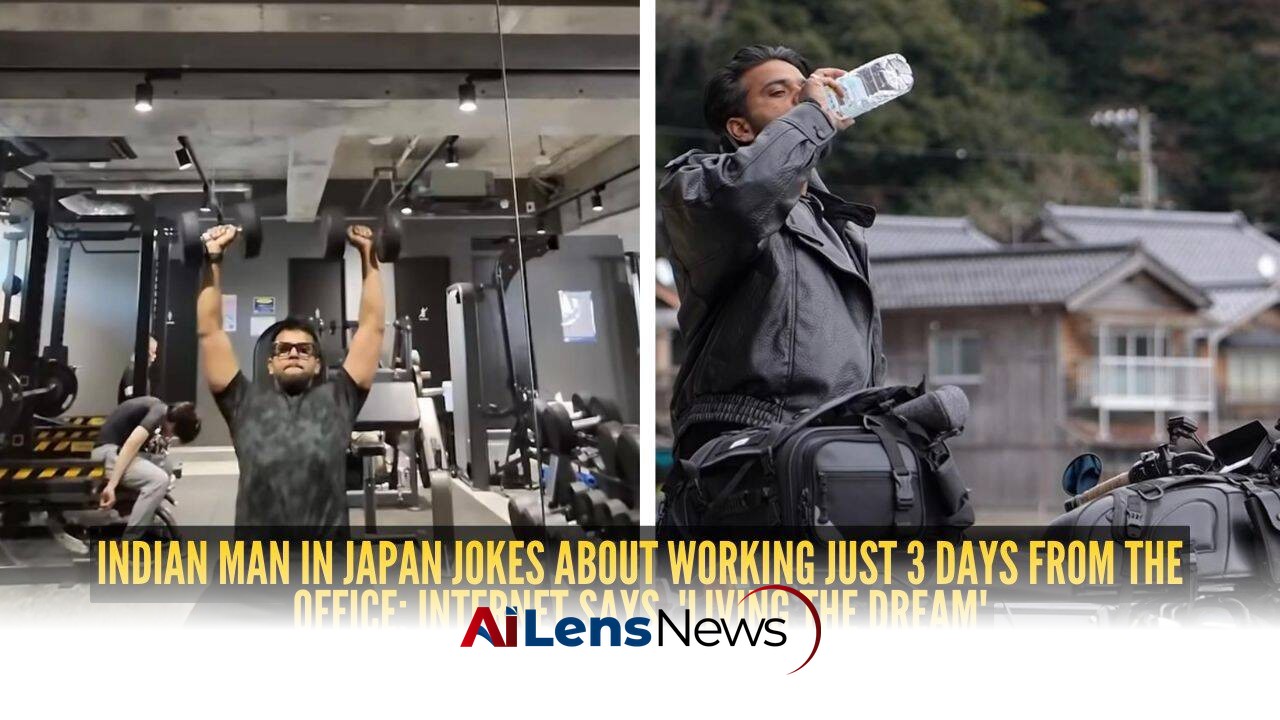


A professional in Japan humorously critiques work culture, highlighting his light schedule and substantial bonuses, sparking online admiration.
New Delhi, India Jul 19, 2026 ALN: In recent years, the conversation surrounding work culture has evolved significantly, especially in countries like Japan, where traditional norms have long dictated the nature of employment. A recent viral post by a professional living in Japan has captured the attention of many, shedding light on the benefits of a more flexible work schedule. The individual humorously described his experience of working just three days a week from the office, playfully dubbing it a 'difficult' job. This light-hearted commentary has resonated with a broad audience, prompting discussions about work- balance and the changing landscape of employment in Japan.
Japan is renowned for its strong work ethic, often characterized by long hours and a deep commitment to one’s job. The culture of 'karoshi,' or death from overwork, has been a significant issue, leading to increased scrutiny on workplace practices and the mental health of employees. This phenomenon has prompted the Japanese government and various organizations to take steps aimed at reducing excessive work hours and promoting a healthier work- balance. However, this viral post highlights a shift in attitudes towards work, particularly among younger generations who are increasingly valuing personal time and well-being over traditional corporate loyalty.
The professional's narrative included his experiences of minimal overtime and the luxury of weekends dedicated to personal hobbies and interests. He humorously noted that his manager did not reach out during his time off, allowing him to fully relax and recharge. This aspect of his story is particularly striking in contrast to the traditional expectations in Japanese workplaces, where being constantly available is often seen as a sign of dedication. The notion of disconnecting from work during weekends is gaining traction, as more employees advocate for their right to personal time, reflecting a fundamental cultural shift towards valuing personal well-being.
In a particularly engaging part of his commentary, the professional contrasted the substantial bonuses he received with the typical Diwali gifts that employees might expect in other cultures. This comparison not only emphasizes the differences in workplace rewards across various countries but also highlights the unique aspects of Japanese corporate culture. In Japan, bonuses can be a significant part of an employee's compensation package, often reflecting company performance and individual contributions. This system can create a sense of shared responsibility among employees, as they are motivated to work towards the company’s success.
However, the comparison to Diwali gifts also serves to illustrate the cultural differences in how appreciation is expressed in the workplace. While some cultures may prioritize tangible gifts as a form of recognition, the Japanese system leans towards financial incentives, which can some feel impersonal. This distinction invites further discussion about how different cultures perceive and enact appreciation in professional settings. For example, while Western companies may focus on personalized gifts or public recognition, Japanese firms often emphasize financial bonuses that reflect collective achievement, which can some obscure individual contributions.
The response on social media to this professional's post has been overwhelmingly positive, with users finding his 'complaints' both amusing and aspirational. Many expressed envy over his seemingly ideal work- balance, with comments ranging from admiration to playful jealousy. This reaction underscores a broader societal yearning for a more balanced approach to work, as many individuals find themselves grappling with the pressures of their careers. The viral nature of the post has sparked conversations not just in Japan, but globally, as people reflect on their own work environments and the sacrifices they make for their jobs.
His story has sparked conversations about the evolving nature of work culture, particularly in light of the recent global shifts towards remote work and flexible hours due to the COVID-19 pandemic. As more individuals seek a better work- balance, the professional's experience resonates with those dreaming of similar arrangements, reflecting a collective desire for change in workplace norms. The pandemic has acted as a catalyst for many organizations to reconsider traditional work arrangements, leading to a reevaluation of what constitutes a productive work environment.
This viral moment has ignited discussions about what constitutes a healthy work- balance in today's fast-paced world. As individuals navigate their careers, the desire for a work environment that allows for personal enjoyment alongside professional responsibilities continues to grow. The traditional model of working long hours and sacrificing personal time is increasingly being questioned, with more employees advocating for flexible schedules that accommodate their personal lives. This shift is not only about reducing hours but also about creating an environment where employees feel empowered to prioritize their well-being.
Moreover, the conversation around mental health in the workplace has gained prominence, with many recognizing the importance of taking time off to recharge. The idea that productivity is directly linked to well-being is becoming more accepted, leading companies to explore policies that support mental health and work- balance. This shift is not only beneficial for employees but can also lead to increased productivity and job satisfaction, ultimately benefiting employers as well. Companies that invest in their employees' well-being are likely to see lower turnover rates and higher engagement levels, creating a more harmonious workplace.
In conclusion, the humorous take from this professional not only entertains but also encourages a broader conversation about work culture, flexibility, and the importance of personal time. As societal norms continue to evolve, the hope is that more companies will recognize the value of fostering a supportive work environment that prioritizes employee well-being. The viral nature of this post serves as a reminder of the power of social media in shaping conversations about work culture and the collective aspirations of the workforce. As the dialogue around work- balance continues to grow, it remains to be seen how organizations will adapt to meet the changing needs of their employees, paving the way for a more flexible and compassionate work culture.
To learn more about the latest developments in Relationships, stay updated with our exclusive reports and analyses on AiLensNews.

