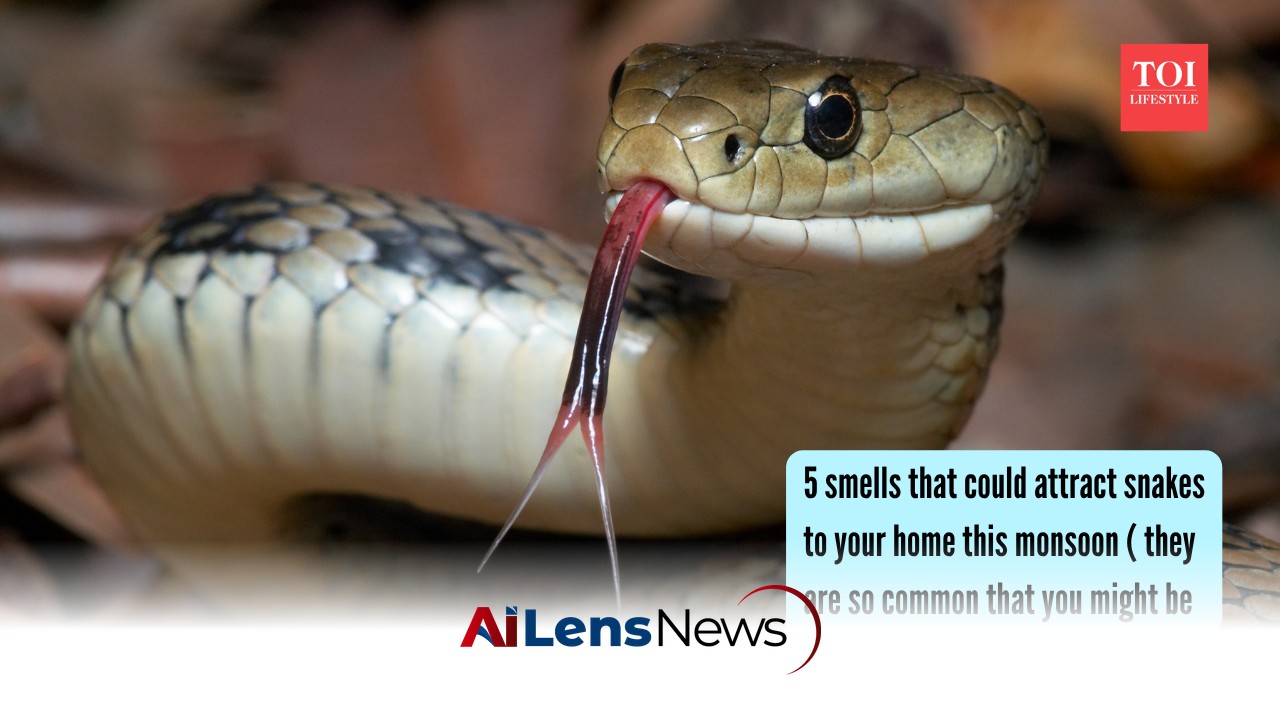


Monsoon rains can draw snakes to your home. Learn about the common scents that attract these reptiles and how to avoid unwanted encounters.
New Delhi, India Jul 14, 2026 ALN: Monsoon rains often push snakes from their burrows seeking shelter and warmth. As the weather changes, understanding what attracts these reptiles becomes crucial for homeowners. The onset of the monsoon season not only brings relief from the heat but also alters the behavior of various wild, including snakes. These reptiles, which are cold-blooded, become more active in search of food and suitable habitats as the environment becomes more conducive to their survival. This seasonal shift is particularly significant in regions where monsoons are prevalent, as the accompanying changes in humidity and temperature can create ideal conditions for snake activity. Here are five common smells that could invite snakes into your living space during the rainy season.
Snakes primarily feed on rodents, and the scent of these small mammals can attract them to your home. Rodents such as mice and rats are often found in close proximity to human habitats, especially in urban and suburban areas where food sources are plentiful. The presence of rodents is not just an inconvenience; it can also pose a significant risk as it invites snakes, which are natural predators of these creatures. If you have a rodent problem, it’s essential to address it promptly to avoid drawing snakes. This can be achieved through various methods, such as sealing entry points into your home, using traps, or calling pest control services. Additionally, keeping your property clean by removing clutter and debris where rodents might nest can significantly reduce the likelihood of attracting snakes.
Moreover, it is important to understand the broader ecological implications of rodent populations. In many areas, an increase in rodent activity can lead to a corresponding rise in snake populations, as these reptiles will follow their prey. This relationship highlights the importance of integrated pest management strategies that not only focus on reducing rodent populations but also consider the potential consequences for local wild. By addressing rodent issues effectively, homeowners can mitigate the risk of attracting snakes while also contributing to a healthier ecosystem.
Birds are another primary food source for snakes. The smell of bird droppings can signal the presence of birds nearby, making your home more appealing to snakes looking for a meal. Many homeowners may not realize that having bird feeders or nesting areas close to their homes can inadvertently attract snakes. While birds can be a delightful addition to your garden, their droppings can serve as a beacon for snakes. To mitigate this risk, consider relocating bird feeders away from your home and ensuring that any birdhouses are maintained and cleaned regularly. Furthermore, monitoring the bird population in your area can help you understand the potential for attracting snakes, as a high concentration of birds can lead to increased snake sightings.
Understanding the dynamics between birds and snakes is crucial. Birds not only provide a food source for snakes but can also influence the overall biodiversity of the area. A diverse bird population can help control insect populations, which is beneficial for gardens and crops. However, if birds are attracting snakes, homeowners may need to find a balance that allows them to enjoy birdwatching while minimizing the risks associated with snake encounters. This can include employing bird-friendly practices, such as using bird feeders that are less accessible to snakes and ensuring that birdhouses are positioned away from areas where snakes are likely to roam.
Amphibians and small fish are often found in damp, waterlogged areas. The smell of decaying organic matter can attract snakes as they seek out these food sources. During the monsoon season, gardens and yards can become waterlogged, creating an inviting environment for various pests and wild, including snakes. It is crucial to keep your garden tidy and free of excess moisture to deter them. This can be achieved by ensuring proper drainage in your yard, regularly mowing the lawn, and removing any dead plants or fallen leaves that may create a habitat for rodents and other small animals that snakes prey upon. Additionally, compost piles should be managed carefully, as they can also attract snakes if they become too moist or decomposed.
Moreover, the presence of dampness and decaying organic matter can lead to an increase in insect populations, which may further attract snakes. Insects are often a food source for amphibians and small mammals, which in turn can draw snakes into the area. Homeowners should be proactive in managing moisture levels in their yards, as stagnant water can create a breeding ground for pests. Implementing effective drainage solutions and regularly inspecting areas prone to water accumulation can significantly reduce the likelihood of attracting snakes.
During mating season, pheromones left by other snakes can draw them into yards. Snakes communicate through chemical signals, and these pheromones can indicate the presence of potential mates. If you notice an increase in snake activity in your area, it may be due to these scents. Regularly checking your yard for signs of snakes can help you stay aware of their presence and take necessary precautions. It is important to understand that while snakes can be beneficial for controlling rodent populations, their presence can be alarming for residents. If you are concerned about snakes in your yard, consider consulting with local wild experts who can provide guidance on how to safely coexist with these reptiles.
Understanding snake reproduction and behavior is essential for homeowners. During mating season, snakes may be more visible as they search for partners, which can lead to increased sightings. This heightened activity can also result in more frequent encounters with humans. By being informed about snake behavior, homeowners can better prepare for and respond to potential encounters, reducing the likelihood of panic or harm. Education about local snake species, their habits, and their ecological roles can foster a greater appreciation for these reptiles and their contributions to the ecosystem.
Any food residues left outside, whether from pet food or human meals, can attract snakes. Ensuring that your outdoor areas are clean and free of food scraps is vital in preventing unwanted visitors. This includes not only cleaning up after barbecues or outdoor gatherings but also making sure that pet food is not left outside for extended periods. Additionally, securing trash bins and compost containers can help reduce the likelihood of attracting snakes, as these containers can attract rodents and other small animals, which in turn attract snakes. Homeowners should also be vigilant about cleaning up fallen fruit from trees, as these can also serve as a food source for rodents and, consequently, snakes.
The implications of food residues extend beyond attracting snakes. Leaving food outside can also lead to other wild encounters, including raccoons, skunks, and even bears in some regions. These animals can pose additional risks to property and safety. By maintaining clean outdoor spaces, homeowners not only reduce the likelihood of snake encounters but also minimize the potential for attracting other wild that may cause damage or pose health risks.
Understanding these attractants helps people avoid unwanted reptile encounters near homes. By being proactive and addressing these common smells, you can create a less inviting environment for snakes during the monsoon season. It is also beneficial to educate yourself and your family about local snake species, their behaviors, and the role they play in the ecosystem. While snakes can be intimidating, they are an essential part of the natural world, helping to control pest populations and maintain ecological balance. By taking steps to minimize attractants, homeowners can reduce the risk of snake encounters while still respecting the wild that shares their environment.
Moreover, it is essential to remember that snakes are generally not aggressive unless provoked. If you do encounter a snake, it is advisable to keep a safe distance and allow it to move on its own. In cases where a snake poses a threat to pets or children, contacting a professional wild removal service is the safest approach. These professionals can safely relocate the snake without causing harm to the animal or the environment.
In conclusion, the monsoon season brings a unique set of challenges for homeowners concerning wild management. By understanding the factors that attract snakes and taking appropriate measures, individuals can enjoy the benefits of the rainy season while minimizing the risks associated with snake encounters. A proactive approach to home maintenance and awareness of local wild can foster a safer and more harmonious living environment. As communities navigate the complexities of human-wild interactions, fostering a sense of coexistence with snakes and other wild can contribute to a more balanced ecosystem and enhance the overall quality of in residential areas.
To learn more about the latest developments in Home & Living, stay updated with our exclusive reports and analyses on AiLensNews.

