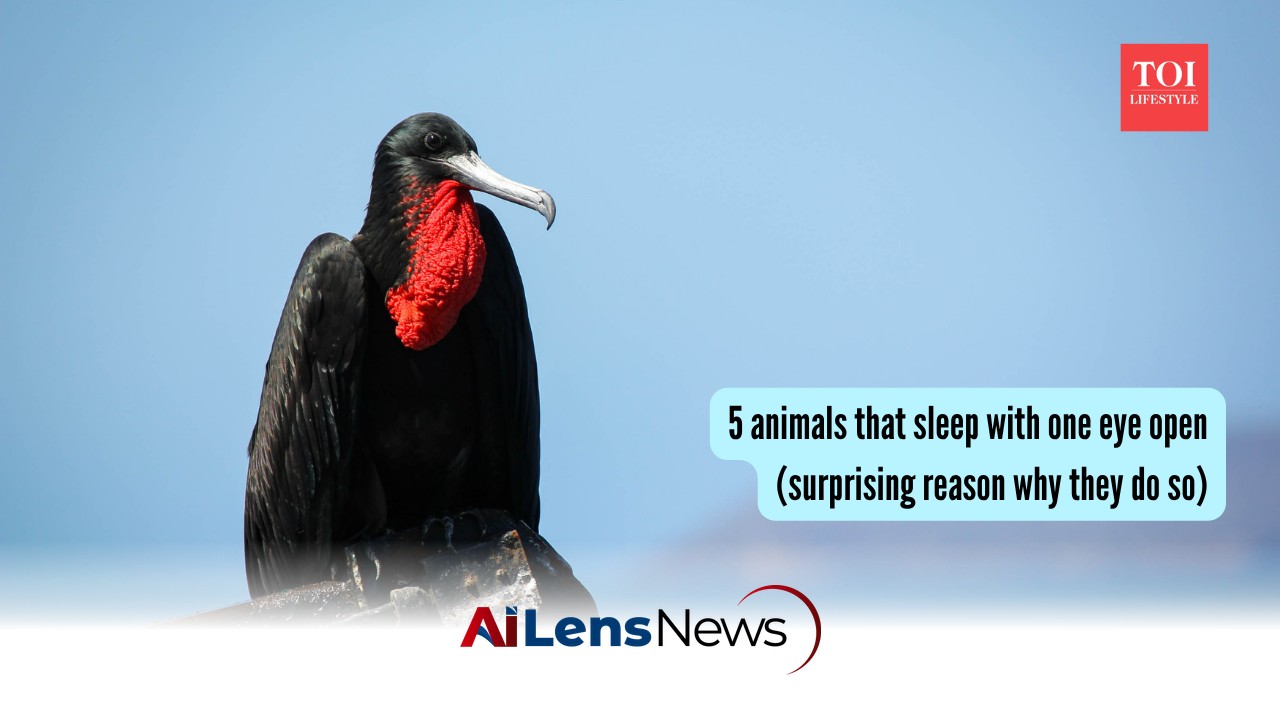


Discover the fascinating reasons behind why certain animals, like dolphins and mallard ducks, sleep with one eye open to stay alert to their surroundings.
New Delhi, India Jul 16, 2026 ALN: In the animal kingdom, survival often hinges on the ability to remain vigilant, even during rest. Some species have developed remarkable adaptations that allow them to sleep with one brain hemisphere while the other stays alert. This unique sleeping behavior helps them remain aware of their surroundings and potential dangers. The phenomenon of sleeping with one eye open is not just a quirky trait; it is a crucial evolutionary adaptation that enhances the survival of these animals in their respective habitats. Understanding these behaviors provides insight into the complexities of animal and the evolutionary pressures that shape their existence.
The ability to sleep with one eye open is primarily linked to the concept of unihemispheric slow-wave sleep (USWS). This type of sleep allows one hemisphere of the brain to rest while the other remains awake, monitoring the environment for threats. This adaptation is particularly beneficial for animals that face predation or live in environments where threats can emerge unexpectedly. The evolutionary advantages of such a sleeping pattern are clear: it allows these animals to conserve energy while still being alert enough to react to potential dangers. This form of sleep is not limited to the species discussed in this article; it is a widespread phenomenon found in various animals, particularly those in aquatic or vulnerable terrestrial environments.
Dolphins are well-known for their intelligence and social behavior, but they also exhibit a fascinating sleeping pattern. They can shut down one hemisphere of their brain, allowing the other half to remain awake. This adaptation enables them to surface for air and stay vigilant against predators while resting. Dolphins often sleep in short bursts, which can last anywhere from a few minutes to a couple of hours. During these periods, they may be seen swimming slowly or floating at the surface, one eye open, scanning for threats. This behavior not only helps protect them from predators such as sharks but also allows them to maintain social interactions with other dolphins in their pods.
Research has shown that dolphins can even synchronize their sleep patterns with other members of their pod, ensuring that at least some individuals are always alert while others rest. This social aspect of their sleeping behavior highlights the importance of cooperation and communication in the animal kingdom, particularly among species that rely on group dynamics for survival. The ability to balance rest and vigilance is a testament to the evolutionary pressures faced by dolphins in their aquatic environment.
Similar to dolphins, mallard ducks also utilize this unique sleeping strategy. They often sleep with one eye open, allowing them to keep watch for potential threats. This behavior is particularly important for these birds, as they are preyed upon by various predators while resting on water or land. Mallard ducks can often be seen resting on the water's surface, with one eye closed and the other open. This vigilance allows them to detect predators like foxes, hawks, and even humans. Furthermore, mallard ducks often engage in group sleeping, where some members of the flock remain alert while others rest, enhancing the overall safety of the group.
The social structure of mallard ducks plays a significant role in their sleeping habits. By forming flocks, they can increase their chances of survival, as the vigilance of one member can protect the entire group. This communal approach to rest is an excellent example of how social dynamics can influence behavior in the wild. Additionally, the ability to remain alert while resting allows mallard ducks to quickly take flight if a predator approaches, ensuring their safety.
Crocodiles are another species that benefit from this adaptation. They can rest with one eye open, allowing them to monitor their environment for any signs of danger. This ability is crucial for their survival, as they often inhabit areas where threats can emerge unexpectedly. Crocodiles can often be seen basking in the sun with one eye open, ready to react if a potential threat approaches. Their powerful jaws and camouflage make them formidable predators, but they also face threats from larger animals and humans. By being able to sleep with one eye open, they can maintain their predatory advantages while also safeguarding themselves against potential dangers.
This behavior is particularly important given the habitat of crocodiles, which often includes freshwater environments where they may encounter both aquatic and terrestrial threats. Their ability to remain vigilant while resting allows them to not only protect themselves but also to prepare for hunting opportunities. This dual functionality of their sleeping behavior showcases the adaptability of crocodiles to their environment and their role as apex predators.
Fur seals also exhibit this behavior, particularly when resting in the water. By keeping one eye open, they can remain alert to any approaching threats, ensuring their safety while they rest. This adaptation is vital for their survival in the ocean, where predators such as orcas and sharks are always a concern. Fur seals often rest in groups, allowing some individuals to sleep deeply while others maintain vigilance, a strategy that enhances their collective safety. Their ability to sleep with one eye open allows them to enjoy the benefits of rest without completely relinquishing awareness of their surroundings.
The social structure of fur seals is similar to that of mallard ducks, as they rely on group dynamics to enhance their safety. This behavior underscores the importance of social interactions in the animal kingdom, where cooperation can significantly increase the chances of survival. Furthermore, the ability to sleep while remaining aware of their environment allows fur seals to adapt to the challenges of their marine habitat, where threats can be unpredictable.
Frigate birds take this unique sleeping behavior to the next level. During long flights over the ocean, they can sleep while still maintaining awareness of their surroundings. This ability allows them to navigate vast distances without losing sight of potential dangers. Frigate birds are known for their impressive flying capabilities, and their ability to sleep while in flight is a remarkable adaptation to their migratory . They can often be seen soaring high above the ocean, occasionally closing one eye while keeping the other open to monitor for potential threats or changes in their environment. This vigilance is crucial for avoiding collisions with other birds and staying aware of predators.
The ability of frigate birds to sleep while flying highlights the extreme adaptations that some species have developed to thrive in their environments. This behavior not only aids in their survival but also allows them to cover extensive distances in search of food and nesting sites. As with other species discussed, the interplay between vigilance and rest is a critical aspect of their survival strategy.
In conclusion, the ability to sleep with one eye open is a fascinating adaptation found in various animal species. From dolphins to frigate birds, these creatures have evolved unique strategies to balance rest and vigilance, ensuring their survival in the wild. The study of these behaviors not only enhances our understanding of animal biology but also sheds light on the evolutionary pressures that shape the lives of these species. As we continue to explore the complexities of animal behavior, the adaptations that allow for survival in the face of predation and environmental challenges remind us of the intricate connections between forms and their habitats. Further research into these behaviors may reveal even more about the evolutionary strategies that have allowed these animals to thrive in their respective environments.
To learn more about the latest developments in Home & Living, stay updated with our exclusive reports and analyses on AiLensNews.

