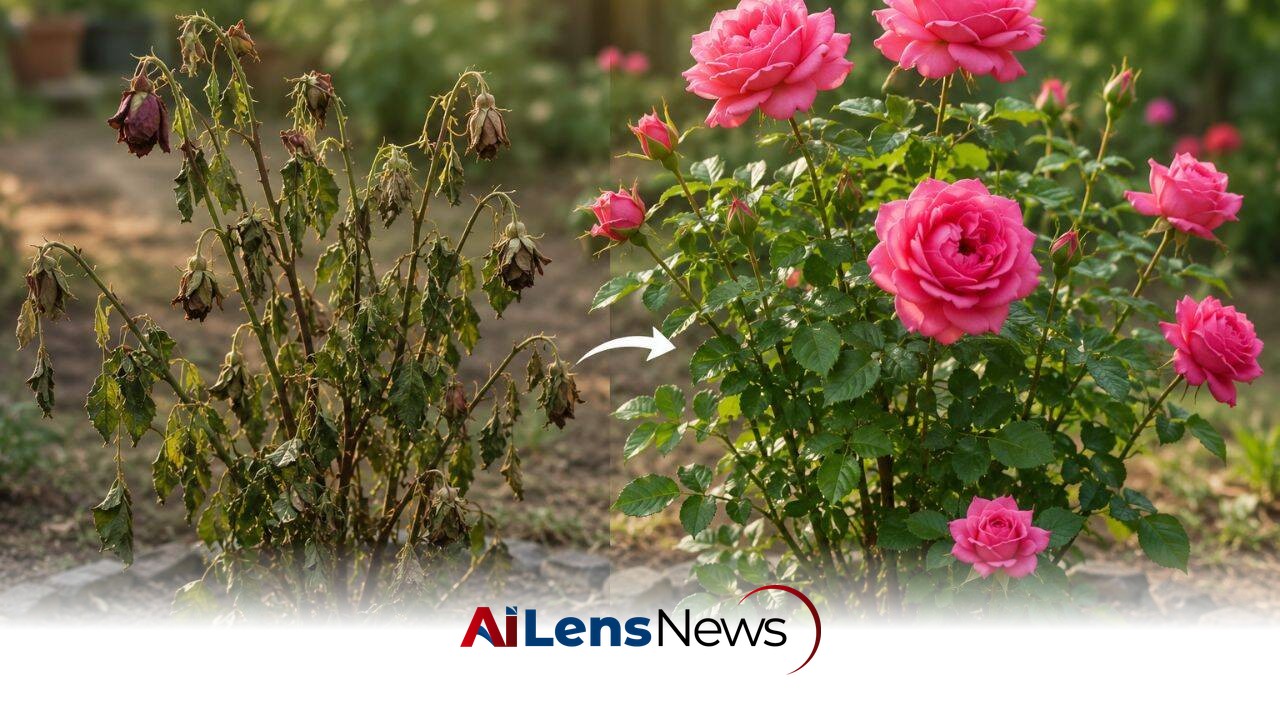


Revive your wilting rose bush with these ten simple tips to restore its health and beauty.
New Delhi, India Jul 9, 2026 ALN: A rose bush rarely declines all at once. The change is usually gradual, making it essential for gardeners to recognize the signs of distress early. With proper care and attention, you can revive a wilting rose bush and restore its vibrant blooms. Roses are not only cherished for their beauty but also symbolize love and passion, making them a favorite among gardeners. However, like any living plant, they require specific care to thrive. Understanding the factors that contribute to a healthy rose bush is vital for anyone looking to maintain these stunning plants in their garden.
Begin by examining your rose bush closely. Look for signs of wilting, discoloration, or pests. Understanding the specific issues affecting your plant will guide your next steps. Signs of distress can manifest in various ways. For instance, yellowing leaves may indicate nutrient deficiencies or overwatering, while wilting can be a sign of drought or root problems. Inspecting the stems and leaves for pests such as aphids or spider mites is equally important, as these can sap the plant's vitality. Additionally, checking for signs of disease, such as black spots or powdery mildew, can help in diagnosing the problem effectively.
Watering is crucial for the health of your rose bush. Ensure you are providing adequate moisture without overwatering. The soil should be moist but not soggy. Adjust your watering schedule based on the weather and the plant's needs. Roses generally prefer deep watering less frequently rather than shallow watering more often. This encourages the roots to grow deeper into the soil, making them more resilient. A good rule of thumb is to water early in the morning to allow the foliage to dry out during the day, reducing the risk of fungal diseases.
Remove any dead or damaged branches to encourage new growth. Use clean, sharp pruning shears to make clean cuts. This will help the plant focus its energy on healthy parts. Pruning not only improves the overall appearance of the bush but also enhances air circulation, which is essential for preventing diseases. When pruning, it’s best to cut at an angle just above a healthy bud, which will promote new growth in the desired direction. Timing is also important; late winter or early spring is typically the best time for pruning most rose varieties.
Applying the right fertilizer can provide essential nutrients to your rose bush. Choose a balanced fertilizer specifically designed for roses and follow the recommended application rates. Roses are heavy feeders, meaning they require more nutrients than many other plants. Look for fertilizers that contain a balanced ratio of nitrogen, phosphorus, and potassium. Additionally, organic options such as compost or well-rotted manure can improve soil health and provide a slow release of nutrients over time.
Good drainage is vital for preventing root rot. If your rose bush is in a pot, ensure it has drainage holes. In garden beds, consider amending the soil with organic matter to improve drainage. Roses do not like to sit in waterlogged soil, which can lead to root rot and other health issues. If you notice that water tends to pool around the base of your rose bush, you may need to elevate the plant or create a mound to improve drainage. Additionally, using a well-draining potting mix in containers can help promote healthy root development.
Roses thrive in full sunlight. Ensure your rose bush is receiving at least six hours of direct sunlight each day. If it's shaded by other plants, consider relocating it to a sunnier spot. Sunlight is crucial for photosynthesis, which is how plants convert light energy into chemical energy for growth. Insufficient sunlight can lead to weak stems, poor flowering, and increased susceptibility to diseases. If relocating the bush is not feasible, consider pruning surrounding plants to allow more light to reach your rose bush.
Keep an eye out for common pests such as aphids and spider mites. Use insecticidal soap or neem oil to treat infestations. Additionally, watch for signs of diseases like black spot or powdery mildew, and treat them promptly. Integrated pest management strategies can be beneficial, combining cultural practices, biological control, and chemical treatments when necessary. Regularly inspecting your plants and maintaining good garden hygiene, such as cleaning up fallen leaves and debris, can also help reduce the incidence of pests and diseases.
Applying a layer of mulch around the base of your rose bush can help retain moisture and regulate soil temperature. Organic mulches, such as wood chips or straw, are excellent options. Mulching not only conserves moisture but also suppresses weeds that compete for nutrients and water. As the mulch breaks down, it also adds organic matter to the soil, enhancing its fertility. A 2-3 inch layer of mulch is generally sufficient to achieve these benefits without suffocating the plant.
Reviving a wilting rose bush takes time. After implementing these tips, be patient and give your plant time to recover. Monitor its progress regularly. It’s important to remember that plants can be slow to respond to changes in care. While some improvements may be visible within a few weeks, others may take longer. Keeping a gardening journal can help track changes and improvements over time, allowing you to adjust your care regimen as needed.
If your rose bush does not show signs of improvement after several weeks, consider consulting a gardening expert. They can provide tailored advice based on your specific situation. Local extension services, gardening clubs, or professional landscapers can be excellent resources for troubleshooting and advice. Some, the problem may be more complex than it appears, requiring expert diagnosis and treatment.
By following these ten simple tips, you can breathe new into your wilting rose bush and enjoy its beautiful blooms once again. Roses are resilient plants, and with the right care, they can recover from a variety of issues. Understanding the fundamental needs of your rose bush and being proactive in your care will help ensure that it thrives in your garden for years to come. Whether you are a novice gardener or have years of experience, these tips can assist you in maintaining the health and beauty of your rose bushes, allowing you to enjoy the rewards of your labor.
To learn more about the latest developments in Home & Living, stay updated with our exclusive reports and analyses on AiLensNews.

