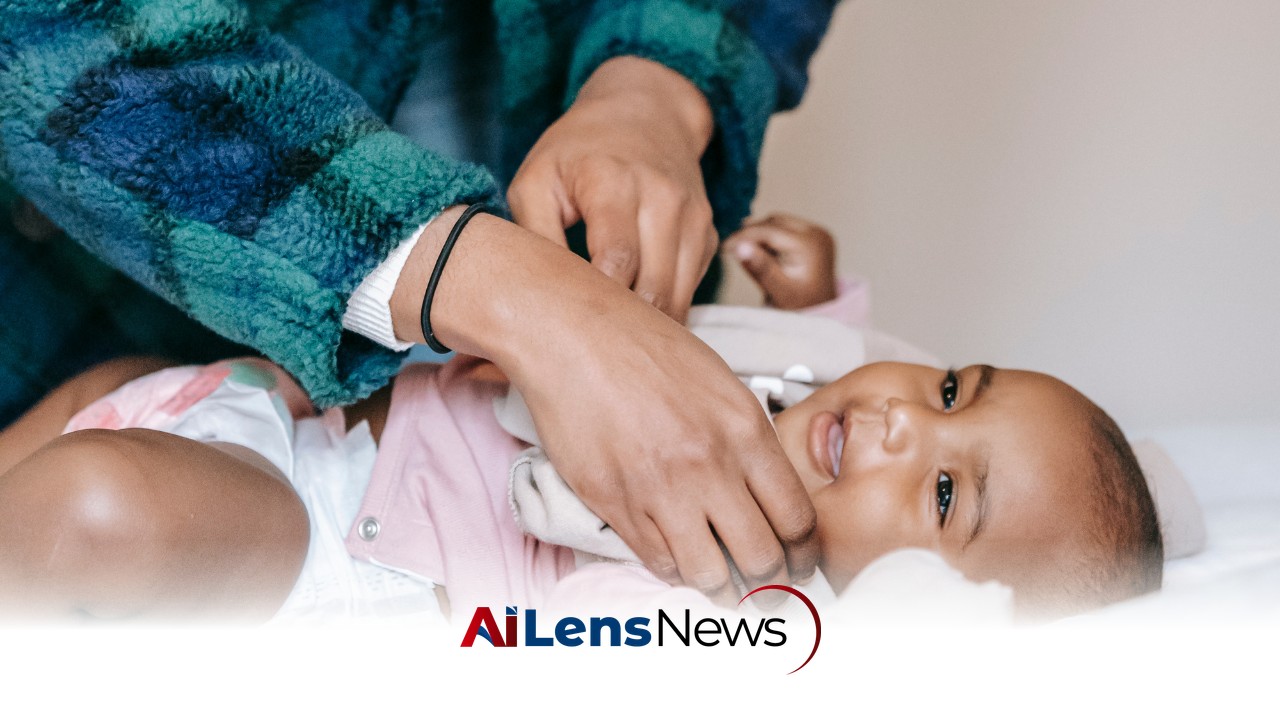


New parents often overlook how clothing choices affect their baby's health. Experts and real stories reveal the importance of fabric, fit, and safety.
New Delhi, India Jul 4, 2026 ALN: New parents often focus on nutrition and products, overlooking clothing's impact on baby health. The choices made in selecting baby clothes can significantly affect an infant's well-being. While many parents prioritize feeding schedules, diaper changes, and sleep routines, the importance of clothing is some underestimated. However, the fabric, fit, and safety of baby clothes can play a crucial role in ensuring a healthy and comfortable environment for infants.
Fabric Choices Matter
Experts reveal that fabric choices play a crucial role in how a baby’s skin reacts. Babies have sensitive skin that is more prone to irritation and allergic reactions compared to adults. Therefore, selecting the right fabric is essential. Soft, breathable fabrics, such as cotton, are ideal for infants as they help to prevent irritation and rashes. Parents should opt for materials that are gentle on the skin and allow for proper airflow. Fabrics that are too rough or synthetic can lead to discomfort and skin issues, which can affect a baby’s mood and overall health.
Additionally, it is important to consider the fabric's ability to wick moisture away from the skin. Babies can sweat, especially during warmer months or when bundled up. Fabrics that do not breathe well can trap heat and moisture, leading to rashes or overheating. Parents should also be aware of any dyes or chemicals used in the fabric production process, as these can also irritate sensitive skin. Choosing organic or hypoallergenic fabrics can be beneficial for infants with particularly sensitive skin.
Impact on Sleep
Sleep is vital for an infant's development, and clothing can influence sleep quality. Real stories from parents highlight how ill-fitting clothes can cause discomfort, leading to restless nights. For instance, tight-fitting pajamas or clothes with rough seams can prevent babies from finding a comfortable sleeping position. Ensuring that clothes fit well and are not too tight can promote better sleep for babies. Loose-fitting garments that allow for movement are often recommended, as they help babies stay comfortable while they sleep.
Moreover, the choice of sleepwear can also affect the temperature regulation of the baby during the night. Overheating can lead to sleep disturbances and is also associated with an increased risk of Sudden Infant Death Syndrome (SIDS). Parents should be mindful of the clothing material and the number of layers they put on their infants at bedtime. Lightweight sleep sacks or pajamas made from breathable materials are often recommended to keep babies warm without overheating.
Temperature Regulation
Overheating is a common concern for new parents. Many parents unknowingly dress their babies in too many layers, which can lead to overheating. Experts recommend dressing infants in layers that can be easily adjusted based on the room temperature, ensuring they remain comfortable. A good rule of thumb is to dress the baby in one additional layer than what an adult would wear in the same environment. This helps to maintain an optimal body temperature for the baby.
Parents should also be aware of the signs of overheating, which can include sweating, flushed cheeks, and rapid breathing. If a baby is showing these signs, it may be necessary to remove a layer of clothing or adjust the room temperature. In colder months, layering can be beneficial, but it is crucial to ensure that the layers are appropriate for the temperature and do not restrict movement or cause discomfort.
Hazards of Hand-Me-Downs
While hand-me-downs can be economical, they can also pose risks. Damaged or worn-out clothes may have hazards that could harm a baby. Parents should carefully inspect hand-me-downs for any signs of wear and tear before dressing their infants in them. This includes checking for loose buttons, frayed seams, or any small parts that could pose a choking hazard.
Furthermore, hand-me-downs may not always meet current safety standards. Safety regulations for baby clothing can change over time, and older garments may not comply with the latest guidelines. For instance, clothing with drawstrings can pose a strangulation risk, and certain types of embellishments may not be safe for infants. Parents should weigh the benefits of saving money with hand-me-downs against the potential risks involved.
Washing New Garments
Before using new clothes, washing them is crucial for safety and comfort. New garments may contain chemicals from manufacturing that can irritate a baby’s sensitive skin. These chemicals can include formaldehyde, dyes, and other substances that are used during the production process. Washing helps remove these substances, making the clothes safer for infants. Parents should use a gentle detergent that is free from fragrances and dyes to minimize the risk of irritation.
In addition to washing new clothes, it is also important to regularly wash baby clothes to keep them clean and free from allergens. Babies are prone to spitting up and diaper leaks, making it essential to maintain a clean wardrobe. Regular washing not only helps to keep clothes hygienic but also ensures that they remain soft and comfortable for the baby.
Conclusion
Even small clothing decisions can significantly impact a baby's well-being. By being mindful of fabric choices, fit, and safety, parents can ensure their infants are comfortable and healthy. Making informed decisions about baby clothing is an essential aspect of caring for a newborn. As parents navigate the challenges of raising an infant, it is critical to remember that clothing is not just a matter of but also a significant factor in the overall health and comfort of their baby.
It is advisable for parents to educate themselves on the best practices for selecting baby clothing. By doing so, they can create a safe and nurturing environment that supports their child's development. Parents should feel empowered to ask questions, seek advice, and make choices that prioritize their baby's health and comfort above all else. Ultimately, the goal is to ensure that every aspect of a baby's , including their clothing, contributes positively to their growth and well-being.
To learn more about the latest developments in Parenting & Family, stay updated with our exclusive reports and analyses on AiLensNews.

